


As a leading manufacturer and exporter of Corten steel, AHL Group has supplied durable and aesthetically pleasing Corten steel planters for diverse projects—from Berlin rooftops to California vineyards to Australian coastal residences. Their unique self-protecting rust patina adds timeless warmth to any landscape. However, their legendary durability and beauty depend on proper installation. This authoritative guide details 10 professional best practices, offering climate-specific recommendations to ensure your weathering steel planters remain timelessly beautiful—whether in humid, arid, or frigid conditions.
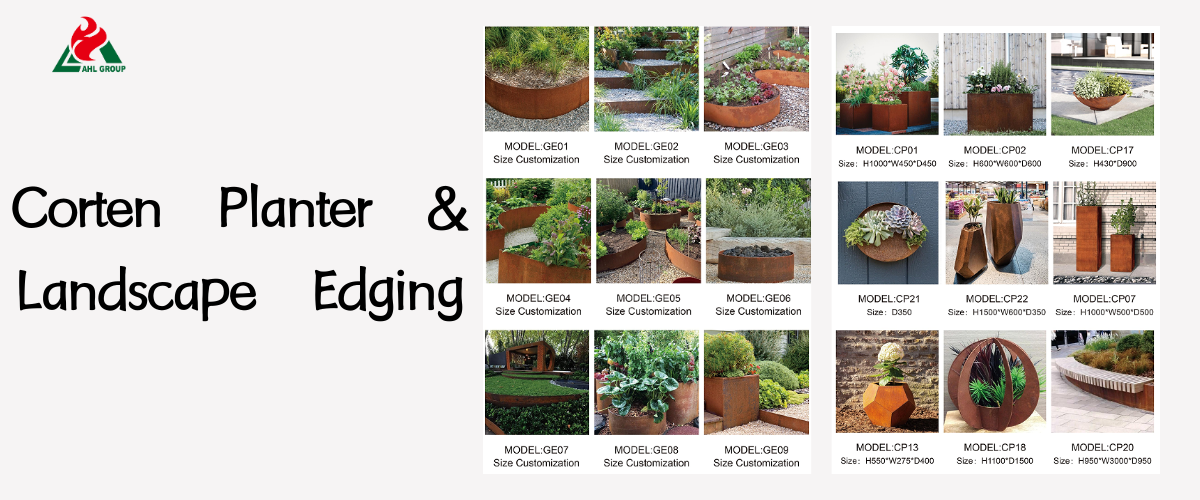
Corten steel, commonly known as weathering steel, is a specially formulated alloy that develops a stable, protective rust layer when exposed to the natural environment. Unlike ordinary steel, this rusting is not a defect but a characteristic—it prevents further corrosion, eliminating the need for painting. For outdoor planters, this translates to exceptional resistance to moisture, soil acidity, and extreme temperature fluctuations, making it a superior, low-maintenance choice for harsh outdoor conditions.
The warm earth tones of weathering steel create a striking contrast with greenery, making it a favorite in diverse design concepts. It complements the clean lines of modern American architecture, harmonizes with the rustic charm of European country gardens, and seamlessly integrates into the minimalist tranquility of Asian-inspired landscapes. Its global applicability stems from inherent durability, though installation details vary by region—precisely the focus of this guide.
Before placing Corten planters, conduct a simple site analysis. Observe the patterns of sunlight and shade throughout the day, as most plants and patina formation require ample sunlight. Note areas prone to wind channels that cause rapid soil drying, and identify zones susceptible to heavy rain or waterlogging. This analysis is crucial for selecting suitable plants and determining watering frequency.
Combine form and function. Use planter boxes to frame entrances, divide patio spaces, or create visual focal points. Ensure locations accommodate mature plant size and meet light requirements. Plants suitable for containers under an evergreen canopy differ significantly from those for sun-drenched patios.
Large Corten steel planters filled with plants can exceed 500 kilograms. Always verify the surface's load capacity. Concrete bases are ideal. For wooden decks or rooftop gardens, consult a structural engineer or place garden planters directly on load-bearing beams. For mobility, use heavy-duty planter carts with wheels, but lock them securely once positioned.
A well-designed drainage system is critical for success. It prevents root rot and minimizes prolonged water contact with the steel—even though weathering steel itself is highly corrosion-resistant. Waterlogged soil in sealed containers creates an unfavorable environment for root growth and can exert sustained stress on the material for decades.
1. Cover drainage holes with landscape fabric or mesh to prevent soil erosion.
2. Lay a 5-10 cm (2-4 inch) layer of coarse gravel, volcanic rock, or recycled plastic drainage aggregate. This layer accumulates excess moisture, keeping it away from the root zone.
3. In extremely humid climates, add a thin layer of horticultural charcoal atop the gravel layer to maintain soil freshness.
► Wet, rainy climates (e.g., UK, Pacific Northwest): Use a deeper gravel layer (up to 6 inches) with multiple large drainage holes to maximize drainage efficiency.
► Dry, hot climates (e.g., Arizona, Spain): A standard 2-3 inch layer thickness suffices. The primary goal shifts to preserving moisture retention in the topsoil.
Garden soil is too compact, leading to compaction, poor aeration, and drainage issues in containers—and may even foster pests and diseases. Container plants rely entirely on their potting mix for nutrients and oxygen.
► High-quality, well-draining potting mix is essential. Most plants thrive in premium commercial potting soil as a base medium.
► Succulents & Mediterranean Herbs (Lavender, Rosemary): Add 40% coarse sand or vermiculite to enhance drainage.
► Shrubs, small trees, and standard plantings: Incorporate 20-30% perlite or pine bark chips to balance water retention and aeration.
► Clay-heavy areas: Increase the proportion of sand and perlite to alleviate native soil density issues.
► Sandy regions: Supplement with compost or coconut coir to improve water and nutrient retention.
Initial rust runoff appears light orange-brown, which is a normal and temporary phenomenon. Over 6 to 18 months, the rust layer will gradually mature into a deep, stable, rich brown. This process accelerates under alternating wet and dry climatic conditions.
► Accelerate rusting: Periodically spray external surfaces with water mist to promote oxidation reactions.
► Inhibition method: In rainy regions, allow natural weathering cycles. Never seal the rust layer, as this will compromise the steel's self-protective properties.
During the initial months, place landscape planters on stands or pedestals. If direct placement is necessary on surfaces requiring cleanliness—such as light-colored wooden decks, porous stone, or concrete patios—use protective trays or mats until the rust runoff period concludes.
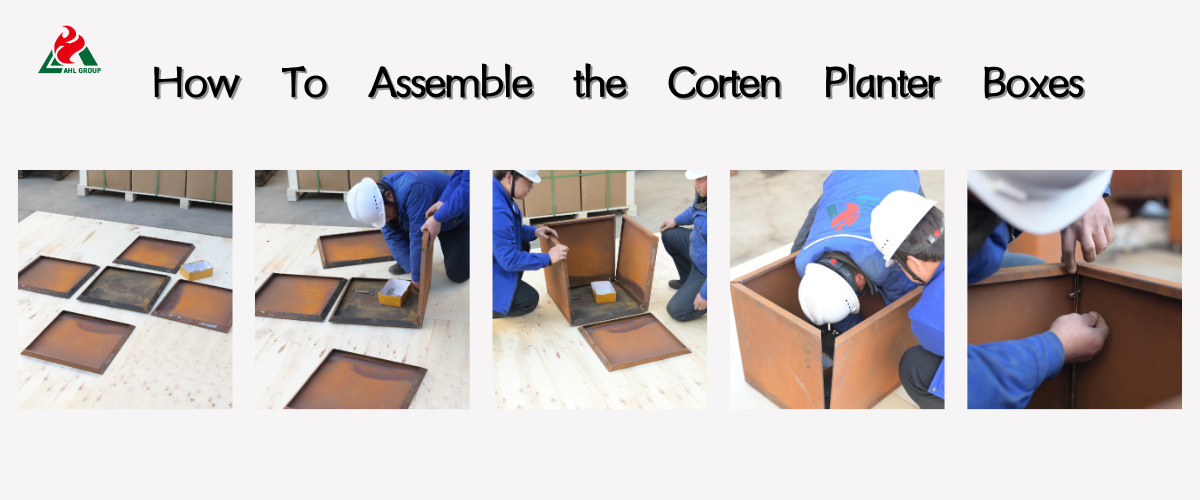
Many large planters ship flat-packed. Assemble on a soft surface (lawn, cardboard) to avoid scratching the surface coating. Strictly follow the manual: hand-tighten all bolts first, then perform final torque calibration to ensure even force distribution and proper alignment.
Always move empty planters to their final location before filling with soil. Use heavy-duty dollies and seek assistance. For oversized items, hire professional installers. Moving a planter after filling it with water will be extremely difficult.
Use a carpenter's level. If the ground is uneven, place outdoor-specific shims or garden leveling pads under the modern planter base. This ensures even weight distribution, prevents wobbling, and guarantees proper drainage.
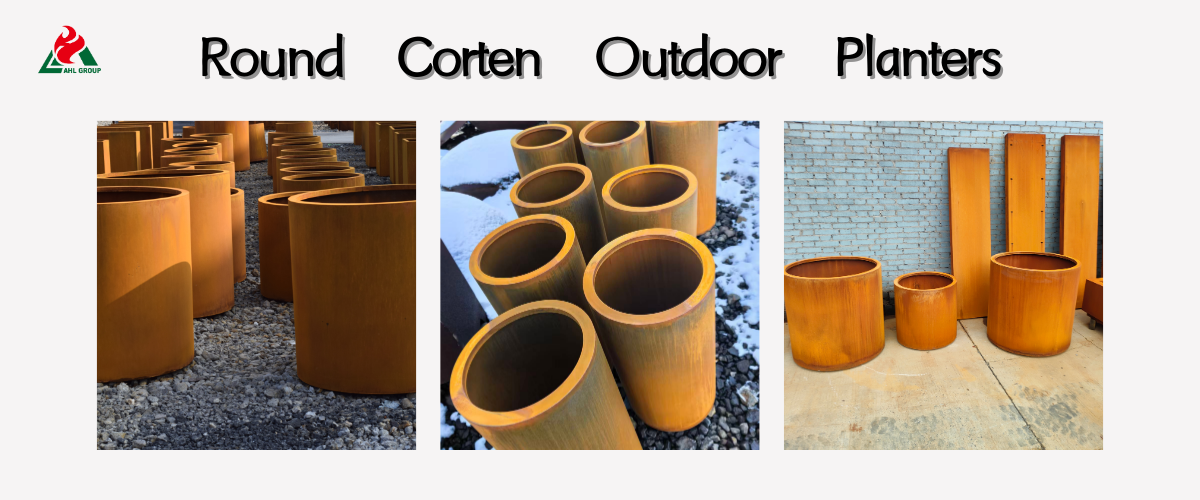
Prioritize plants with adaptability and stress tolerance in limited root space. Dwarf, slow-growing, and naturally compact varieties are ideal choices.
Create visual depth: Select tall central focal plants (e.g., Japanese Maple ‘Kokanei’), medium-height filler plants (e.g., Foxglove, herbaceous plants), and trailing edge plants (e.g., Creeping Nettle, Ivy) to cover container edges, softening the pot's linear form.
Metal conducts heat and cold efficiently. Under direct sunlight, soil heats up and dries out faster than in clay pots; in winter, it may cool down more rapidly. This requires extra care when watering.
For multiple planters or low-maintenance gardens, a drip irrigation system with individual emitters is ideal. This system delivers water precisely to the root zone, conserves water, and can be automated with a timer—perfect for busy homeowners or commercial properties.
► Spring/Summer: Water deeply when the top 1-2 inches of soil are dry. Watering in the early morning is most effective.
► Fall/Winter: As plant growth slows, significantly reduce watering. Ensure soil does not become completely saturated, especially before frost arrives.
Pair geometric weathering steel cubes or cylinders with architecturally striking plants like bird-of-paradise, sculptural yucca, or neatly trimmed boxwood balls. Complete the clean visual with monochromatic groundcover (such as black stone).
Let the patina of planters blend seamlessly with the surroundings. Plant fluffy grasses (like pampas grass), native perennials, and creeping groundcovers. Scatter planters of varying sizes among natural stones to create an organic rhythm.
Employ Corten metal planters for vertical gardens, balcony screens, or patio dividers. Long, narrow containers create privacy barriers when planted with clumping bamboos or evergreen shrubs.
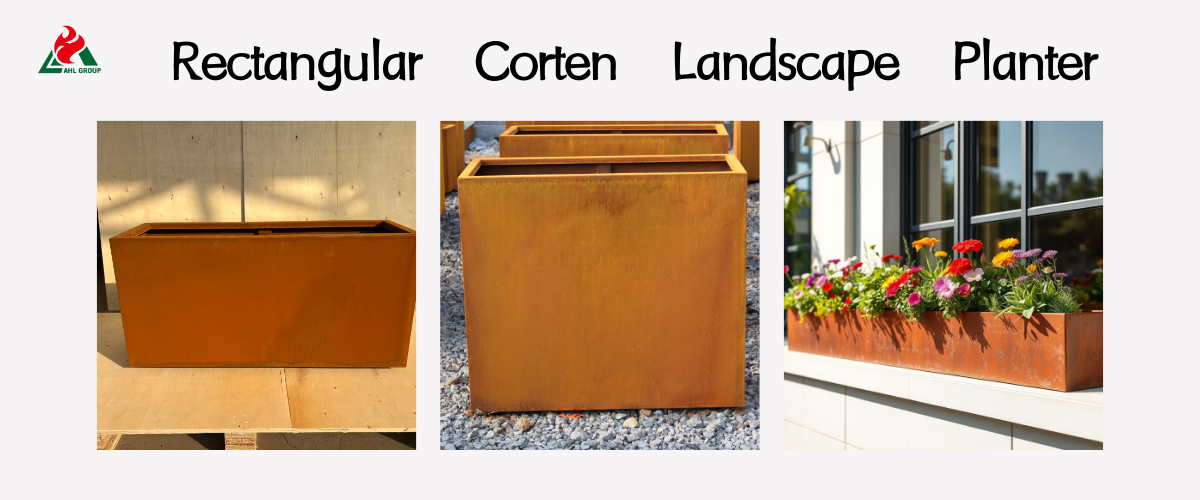
Inspect drain holes annually and clear any blockages. Wipe exterior surfaces with a damp cloth to remove dirt and algae, revealing the fresh rust layer beneath. Avoid using pressure washers to prevent damage to the protective coating.
► Minor Scratches: These marks will naturally re-rust and blend into the surface.
► Mineral Deposits (from hard water): Gently wipe with a 1:1 vinegar-water solution, then rinse clean.
► Uneven Rusting: Time and weather typically even it out. To accelerate, mist lighter areas with water.
► Planters: Weathering steel itself withstands extreme cold.
► Plant Care: Move tender perennials indoors. For hardy plants left outdoors, apply a thick layer of mulch over the soil surface to insulate roots. Avoid using de-icing salts near planters.
Proper installation transforms Corten steel planters from ordinary containers into enduring landscape architecture. Following these best practices—prioritizing drainage, selecting suitable soil and plants, understanding rust layer characteristics—ensures your investment blossoms beautifully over time, achieving maximum visual impact with minimal maintenance.
Explore AHL Group's diverse range of standardized and custom Corten planters. As a specialized manufacturer, we offer OEM and ODM services to bring your unique landscape visions to life. 【Contact our team today for technical specifications and project consultation.】
1. Introduction: The Unmatched Durability and Design of Corten Steel Planters
What is Corten Steel and Why is it Ideal for Outdoor Planters?
Corten steel, commonly known as weathering steel, is a specially formulated alloy that develops a stable, protective rust layer when exposed to the natural environment. Unlike ordinary steel, this rusting is not a defect but a characteristic—it prevents further corrosion, eliminating the need for painting. For outdoor planters, this translates to exceptional resistance to moisture, soil acidity, and extreme temperature fluctuations, making it a superior, low-maintenance choice for harsh outdoor conditions.
Integrating Corten in Gardens from North America to Europe
The warm earth tones of weathering steel create a striking contrast with greenery, making it a favorite in diverse design concepts. It complements the clean lines of modern American architecture, harmonizes with the rustic charm of European country gardens, and seamlessly integrates into the minimalist tranquility of Asian-inspired landscapes. Its global applicability stems from inherent durability, though installation details vary by region—precisely the focus of this guide.
2. Pre-Installation Planning and Strategic Site Selection
Assessing Microclimates: Sunlight, Wind, and Rainfall
Before placing Corten planters, conduct a simple site analysis. Observe the patterns of sunlight and shade throughout the day, as most plants and patina formation require ample sunlight. Note areas prone to wind channels that cause rapid soil drying, and identify zones susceptible to heavy rain or waterlogging. This analysis is crucial for selecting suitable plants and determining watering frequency.
Balancing Aesthetics and Plant Health
Combine form and function. Use planter boxes to frame entrances, divide patio spaces, or create visual focal points. Ensure locations accommodate mature plant size and meet light requirements. Plants suitable for containers under an evergreen canopy differ significantly from those for sun-drenched patios.
Understanding Load-Bearing Requirements for Terraces and Decks
Large Corten steel planters filled with plants can exceed 500 kilograms. Always verify the surface's load capacity. Concrete bases are ideal. For wooden decks or rooftop gardens, consult a structural engineer or place garden planters directly on load-bearing beams. For mobility, use heavy-duty planter carts with wheels, but lock them securely once positioned.
3. Foundational Step: Engineering Superior Drainage Systems
Drainage Science: Why It Matters for Corten Steel and Root Health
A well-designed drainage system is critical for success. It prevents root rot and minimizes prolonged water contact with the steel—even though weathering steel itself is highly corrosion-resistant. Waterlogged soil in sealed containers creates an unfavorable environment for root growth and can exert sustained stress on the material for decades.
Step-by-Step Guide: Creating a Gravel and Mesh Drainage Layer
1. Cover drainage holes with landscape fabric or mesh to prevent soil erosion.
2. Lay a 5-10 cm (2-4 inch) layer of coarse gravel, volcanic rock, or recycled plastic drainage aggregate. This layer accumulates excess moisture, keeping it away from the root zone.
3. In extremely humid climates, add a thin layer of horticultural charcoal atop the gravel layer to maintain soil freshness.
Climate-Specific Drainage Adjustments
► Wet, rainy climates (e.g., UK, Pacific Northwest): Use a deeper gravel layer (up to 6 inches) with multiple large drainage holes to maximize drainage efficiency.
► Dry, hot climates (e.g., Arizona, Spain): A standard 2-3 inch layer thickness suffices. The primary goal shifts to preserving moisture retention in the topsoil.
4. Soil Science: Selecting and Preparing the Right Growing Medium
Why Regular Soil Fails for Container Gardening
Garden soil is too compact, leading to compaction, poor aeration, and drainage issues in containers—and may even foster pests and diseases. Container plants rely entirely on their potting mix for nutrients and oxygen.
Customizing the Perfect Soil Formula for Plant Types
► High-quality, well-draining potting mix is essential. Most plants thrive in premium commercial potting soil as a base medium.
► Succulents & Mediterranean Herbs (Lavender, Rosemary): Add 40% coarse sand or vermiculite to enhance drainage.
► Shrubs, small trees, and standard plantings: Incorporate 20-30% perlite or pine bark chips to balance water retention and aeration.
Regional Soil Improvement Solutions
► Clay-heavy areas: Increase the proportion of sand and perlite to alleviate native soil density issues.
► Sandy regions: Supplement with compost or coconut coir to improve water and nutrient retention.
5. Managing the Patina Process and Protecting Surfaces
The Chemistry of Corten Patina: What to Expect
Initial rust runoff appears light orange-brown, which is a normal and temporary phenomenon. Over 6 to 18 months, the rust layer will gradually mature into a deep, stable, rich brown. This process accelerates under alternating wet and dry climatic conditions.
Methods to Safely Accelerate or Delay Rusting
► Accelerate rusting: Periodically spray external surfaces with water mist to promote oxidation reactions.
► Inhibition method: In rainy regions, allow natural weathering cycles. Never seal the rust layer, as this will compromise the steel's self-protective properties.
Protecting Vulnerable Surfaces from Initial Rust Runoff
During the initial months, place landscape planters on stands or pedestals. If direct placement is necessary on surfaces requiring cleanliness—such as light-colored wooden decks, porous stone, or concrete patios—use protective trays or mats until the rust runoff period concludes.
6. Assembly, Handling, and Placement of Heavy Planters
Safety Assembly Tips for Modular Kits
Many large planters ship flat-packed. Assemble on a soft surface (lawn, cardboard) to avoid scratching the surface coating. Strictly follow the manual: hand-tighten all bolts first, then perform final torque calibration to ensure even force distribution and proper alignment.
Positioning and Moving Large Heavy Planters
Always move empty planters to their final location before filling with soil. Use heavy-duty dollies and seek assistance. For oversized items, hire professional installers. Moving a planter after filling it with water will be extremely difficult.
Ensure Perfect Leveling and Stability
Use a carpenter's level. If the ground is uneven, place outdoor-specific shims or garden leveling pads under the modern planter base. This ensures even weight distribution, prevents wobbling, and guarantees proper drainage.
7. Strategic Plant Selection for Container Success
Principles for Selecting Container-Grown Plants
Prioritize plants with adaptability and stress tolerance in limited root space. Dwarf, slow-growing, and naturally compact varieties are ideal choices.
Recommended Plants by Climate Zone
| Climate Zone |
Recommended Plants for Corten Planters |
| Temperate (e.g., New York, Germany) |
Boxwood, Dwarf Conifers, Ornamental Grasses (Panicum), Heuchera, Sedum. |
| Mediterranean (e.g., California, Italy) |
Olive Trees, Lavender, Rosemary, Succulents (Agave, Echeveria), Citrus (dwarf). |
| Tropical/Subtropical (e.g., Florida, Singapore) |
Cordylines, Phormium (Flax), Palms (dwarf varieties), Bromeliads, Ferns (in shade). |
Designing with Layers: Thrillers, Fillers, and Spillers
Create visual depth: Select tall central focal plants (e.g., Japanese Maple ‘Kokanei’), medium-height filler plants (e.g., Foxglove, herbaceous plants), and trailing edge plants (e.g., Creeping Nettle, Ivy) to cover container edges, softening the pot's linear form.
8. Intelligent Watering and Irrigation Strategies
How Metal Planters Affect Soil Conditions
Metal conducts heat and cold efficiently. Under direct sunlight, soil heats up and dries out faster than in clay pots; in winter, it may cool down more rapidly. This requires extra care when watering.
Setting Up an Efficient Drip Irrigation System
For multiple planters or low-maintenance gardens, a drip irrigation system with individual emitters is ideal. This system delivers water precisely to the root zone, conserves water, and can be automated with a timer—perfect for busy homeowners or commercial properties.
Seasonal Watering Guidelines
► Spring/Summer: Water deeply when the top 1-2 inches of soil are dry. Watering in the early morning is most effective.
► Fall/Winter: As plant growth slows, significantly reduce watering. Ensure soil does not become completely saturated, especially before frost arrives.
9. Integrating Corten Planters into Landscape Design Themes
Modern Minimalist Style
Pair geometric weathering steel cubes or cylinders with architecturally striking plants like bird-of-paradise, sculptural yucca, or neatly trimmed boxwood balls. Complete the clean visual with monochromatic groundcover (such as black stone).
Rustic Natural Style
Let the patina of planters blend seamlessly with the surroundings. Plant fluffy grasses (like pampas grass), native perennials, and creeping groundcovers. Scatter planters of varying sizes among natural stones to create an organic rhythm.
Urban Microgardening
Employ Corten metal planters for vertical gardens, balcony screens, or patio dividers. Long, narrow containers create privacy barriers when planted with clumping bamboos or evergreen shrubs.
10. Long-Term Maintenance and Seasonal Care
Annual Inspection and Cleaning Procedure
Inspect drain holes annually and clear any blockages. Wipe exterior surfaces with a damp cloth to remove dirt and algae, revealing the fresh rust layer beneath. Avoid using pressure washers to prevent damage to the protective coating.
Addressing Minor Issues
► Minor Scratches: These marks will naturally re-rust and blend into the surface.
► Mineral Deposits (from hard water): Gently wipe with a 1:1 vinegar-water solution, then rinse clean.
► Uneven Rusting: Time and weather typically even it out. To accelerate, mist lighter areas with water.
Freeze Protection for Cold Climates (USDA Zone 6 and below)
► Planters: Weathering steel itself withstands extreme cold.
► Plant Care: Move tender perennials indoors. For hardy plants left outdoors, apply a thick layer of mulch over the soil surface to insulate roots. Avoid using de-icing salts near planters.
Conclusion: Investing in Timeless Garden Architecture
Proper installation transforms Corten steel planters from ordinary containers into enduring landscape architecture. Following these best practices—prioritizing drainage, selecting suitable soil and plants, understanding rust layer characteristics—ensures your investment blossoms beautifully over time, achieving maximum visual impact with minimal maintenance.
Explore AHL Group's diverse range of standardized and custom Corten planters. As a specialized manufacturer, we offer OEM and ODM services to bring your unique landscape visions to life. 【Contact our team today for technical specifications and project consultation.】

