


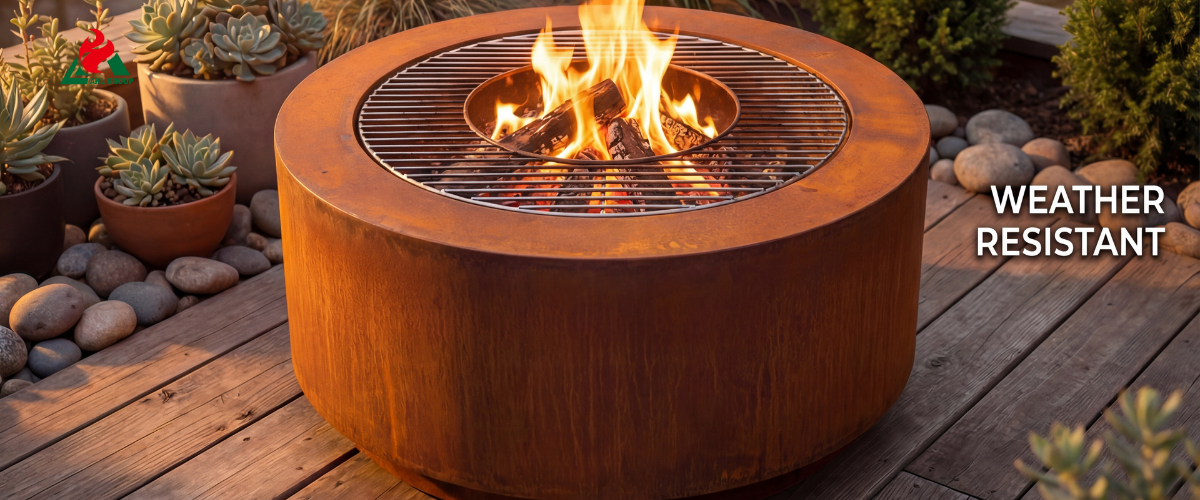
1. Introduction: The Warmth of the Flame vs. The Heat of the Metal
Common and Critical Safety Issues in Outdoor Recreation
Paying attention to heat transfer from fire sources to surrounding metals is a natural and responsible practice, especially in gardens with children, pets, or limited space. Understanding the thermal behavior of fire pits is the first step toward safe and enjoyable use.
The True Meaning of “Extreme Heat”: Setting Realistic Expectations
“Extreme heat” refers to temperatures capable of causing severe burns upon contact—typically exceeding 60°C (140°F) during brief exposure, while the interior of fire pits reaches far higher temperatures. We will clearly indicate which parts of the fire pit reach these levels and which remain at safer, warm-to-the-touch temperatures.
2. The Thermal Properties of Corten Steel: How It Handles Heat
Conductivity and Dissipation: Corten vs. Cast Iron and Aluminum
Weathering steel exhibits excellent thermal conductivity, effectively transferring heat from sources. However, due to its material properties, heat dissipates relatively quickly into the surrounding air.
► Comparison with Cast Iron: Cast iron heats up more slowly but retains heat for extended periods due to its greater mass and density. After a flame is extinguished, a cast-iron bowl may remain dangerously hot for hours.
► Compared to Aluminum: Aluminum exhibits exceptional thermal conductivity and cools rapidly. While the bowl body heats up, its outer surface may cool faster than steel.
Role of the Rust Layer: Does it Provide Thermal Insulation?
The rust layer offers negligible thermal insulation against heat conduction. Its primary function is corrosion protection, not heat retention. Actual surface temperature depends on steel thickness and structural design.
How Design Affects Temperature: Material Thickness and Ventilation
► Thickness (Specifications): Thicker steel (e.g., 5-6 mm) heats more slowly and evenly, creating a more stable and durable combustion chamber.
► Ventilation and Design: Proper air vents at the base both aid combustion and allow heat to dissipate from the bottom, preventing excessive heat buildup in the base or stand.
3. Temperature Zones of a Corten Fire Pit: From the Bowl to the Rim
Fire Pit Area: Direct Flame Contact and Extreme Heat
This is the hottest area. Temperatures can easily exceed 500°C (932°F), sufficient to cause severe burns instantly. Do not touch this area during or after use.
The Upper Rim and Side Walls: Radiant Heat and “Touch” Temperatures
The top edge and side walls are primarily heated by radiant heat from the flames and hot air circulation. During combustion, these surfaces typically reach temperatures between 65°C and 95°C (150°F to 200°F) — prolonged contact can cause burns. Do not touch without protection.
Base and Support: Safe Distance from Primary Heat Sources
If the base plate and support are properly designed (with air gaps or insulation), their temperatures will be significantly lower. They may feel warm to the touch (40°C-50°C/104°F-122°F) and generally do not pose a risk of burns. However, actual temperatures depend on product design and duration of combustion.
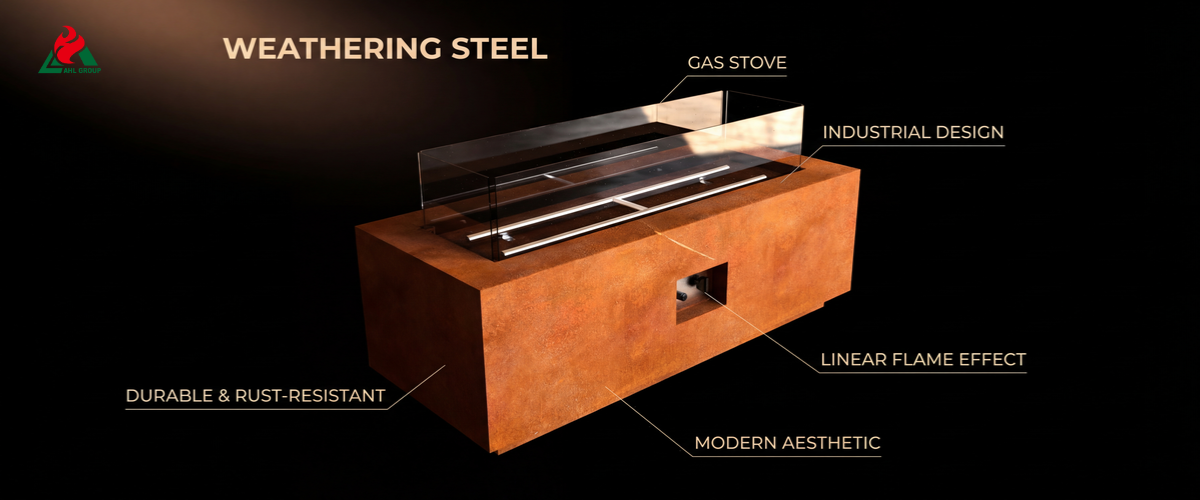
4. Comparing Heat: Corten Fire Pits vs. Other Common Materials
Cast Iron Fire Pits: Heat Storage and Radiation Properties
Cast iron excels at radiating stable, even heat outward, providing exceptional warmth for those gathered around. Its notable distinction lies in its prolonged cooling time—maintaining high temperatures for 12–24 hours after extinguishing the fire, remaining unbearably hot to the touch. This is a critical safety consideration.
Steel Fire Pits: Similarities and Differences in Thermal Behavior
Standard steel fire pits exhibit thermal conductivity properties that are very similar to those of weathering steel. The key difference lies in corrosion resistance: untreated standard steel deteriorates under high temperatures and humidity, while weathering steel's rust layer stabilizes through heating cycles.
Stone or Concrete Fire Pits: Slow Heating, Unique Texture
Stone and concrete exhibit poor thermal conductivity. The interior lining becomes extremely hot, but the outer shell heats slowly, often reaching only lukewarm temperatures. The risk with these materials lies in thermal shock (cracking due to rapid temperature changes) rather than excessive external touch temperatures.
5. Climate and Seasonal Considerations for Heat Management
Use in Cold Climates: Heat Radiation and Snow/Ice Concerns
In freezing weather, the radiant heat from the outdoor fire pit offers significant warmth. However, ensure it is placed on stable, non-combustible, and level ground, and clear away any accumulated snow or ice—melting snow or ice may cause ground displacement or steam explosions. Avoid placing it directly on frozen wooden deck surfaces.
Hot, Dry Climate Use: Ambient Temperature and Safe Placement
In arid regions, surrounding surfaces (dry grass, decks) may already be parched and more susceptible to ignition from sparks or radiant heat. Increase the safety distance from combustible materials. In high temperatures, metal surfaces will feel significantly hotter to the touch.
Windy Conditions: How Airflow Intensifies Heat and Affects Embers
Wind significantly increases burn rate and temperature, making the metal fire pit hotter and scattering embers farther. Always use a properly fitted fire screen in windy conditions, and note that the windward side of the fire pit will be hotter.
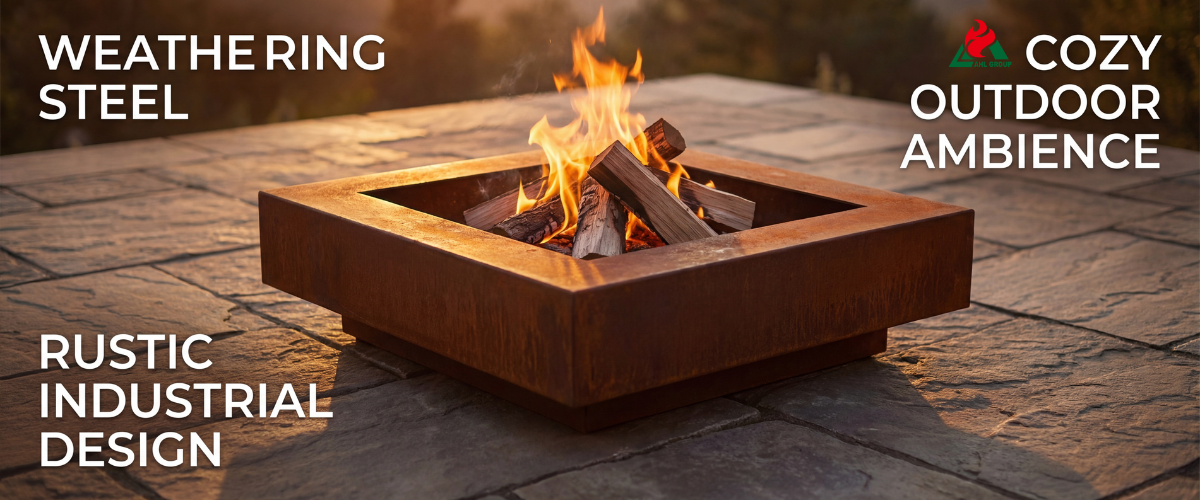
6. Essential Safety Practices for Using Your Corten Fire Pit
Golden Rule: Always Treat It as Hot During and After Use
From the moment it's lit until it cools the next day, treat every surface of the modern fire pit as a high-temperature area.
Safe Placement: Away from Flammables and Non-Combustible Surfaces
Place the Corten fire pit on a non-combustible surface (stone, brick, gravel), keeping at least 3 feet (1 meter) clear of plants, furniture, fences, or buildings.
Proper Use of Tools and Protective Gear (Fire-Resistant Gloves, Fire Screen)
► Fire-Resistant Gloves: Essential when adding wood or adjusting the fire.
► Fire Screen: A vital safety accessory to contain embers, especially important when using cork or in windy conditions.
► Fire tongs and fire poker: Use long-handled tools to maintain a safe distance from intense flames.
Manage the “cooling period”: A critical safety window
Corten Fire pits remain hazardous after flames are extinguished. Wait at least 24 hours for complete cooling before moving or cleaning. Only after full cooling should a rain cover be used to prevent condensation and trapped heat.
7. Long-Term Effects of Heat on Your Corten Fire Pit
Rust Evolution: How Repeated Heating Accelerates and Alters Color
Heat generated during daily use accelerates and deepens the rusting process. Fire pits develop a rich, deep, near-black patina faster than other components. This is a normal and desirable characteristic, adding a unique, aged beauty to the piece.
Structural Integrity: Can Repeated Heating Cause Steel Deformation or Damage?
Professionally manufactured fire pits use sufficiently thick weathering steel (minimum 5mm) that undergoes specialized treatment to withstand repeated heating and cooling cycles without deformation. Thin-walled, low-quality fire pits are highly prone to warping. Superior craftsmanship is key to ensuring product longevity.
High-Temperature Use Maintenance Guide
► Ash Removal: Allow ashes to cool completely (several days required), then moisten with water before clearing. Regularly removing cold ashes prevents excessive moisture buildup beneath the basin.
► External Cleaning: Wipe surfaces with a dry brush or cloth to remove soot or water stains. Never apply sealants or coatings.
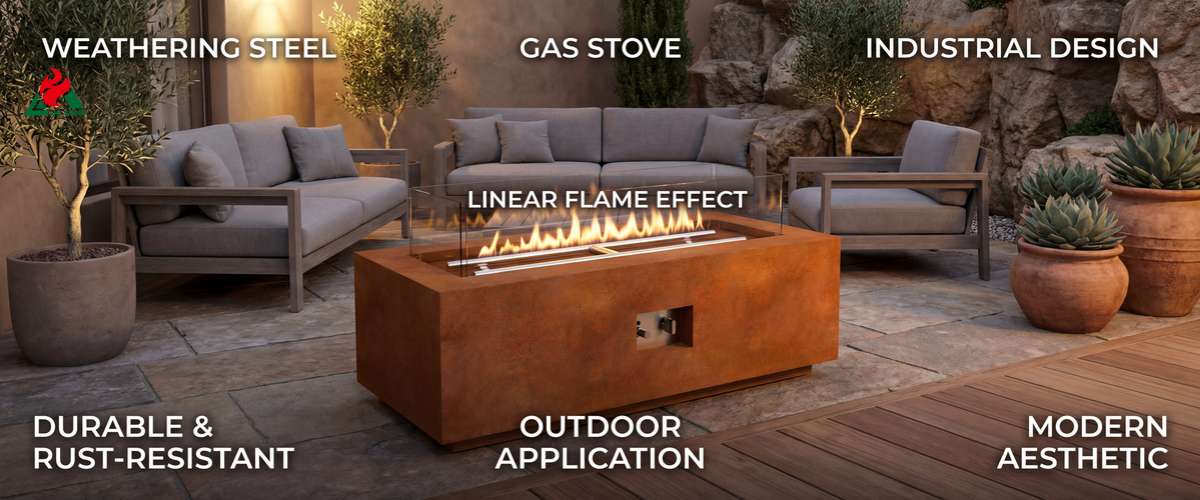
Conclusion: Enjoying Your Fire Pit Responsibly
It Gets Very Hot, But Is Designed for It
Yes, the Corten steel fire bowl's combustion bowl will reach intense temperatures, and its primary surfaces will become scalding hot—an inherent characteristic of any safe, functional metal fire bowl. Its design and material thickness are precisely engineered to effectively manage these high temperatures.
Final Checklist for Safe and Enjoyable Fire Use
1. Place on a non-combustible surface with at least 3 feet of clearance around all sides.
2. Equip with a spark screen, fire-resistant gloves, and dedicated tools.
3. Monitor wind direction and weather conditions closely.
4. Never leave the fire unattended while burning.
5. Establish a strict “no-touch zone” for children and pets.
6. Ensure it cools completely for 24 hours.
Discover AHL's Professional-Grade Weathering Steel Fire Pit Designs
Crafted from 5-6mm thick premium weathering steel, AHL Group fire pits prioritize safety, durability, and timeless design. Our models feature integrated spark screens and sturdy bases, ensuring your gatherings are both visually stunning and secure.
【Browse our collection to find the perfect, responsibly designed focal point for your outdoor space, and contact us for custom design solutions.】
Quick-Reference Safety Temperature Guide
|
Typical Temp. During Use | Sensation & Risk | Cool-Down Time (to touch) | |
| Fire Bowl (inner) |
>500°C (932°F) | EXTREME BURN HAZARD. Instant, severe injury. | 12+ hours | |
| Upper Rim / Sides |
65°C - 95°C (150°F - 200°F) | HIGH BURN HAZARD. Painful burn within seconds. | 4-8 hours | |
| Base & Legs |
40°C - 50°C (104°F - 122°F) | Warm. Generally safe for brief, cautious contact. | 1-2 hours | |
| General Safe Rule |
Assume ALL parts are HOT. | Use tools and protective gear. Supervise children and pets closely. | Allow 24 hours for complete cooling. |

