


Corten steel water feature construction represents one of the most complex challenges in modern landscape engineering. While weathering steel is highly valued for its “living rust patina,” the constant presence of water—both a visual enhancer and a potent corrosive agent—demands far greater technical rigor than dry architectural applications. By 2026, as project scales expand and water circulation systems grow more intricate, the margin for error will continue to shrink. This guide identifies eight critical pitfalls in the design, specification, and maintenance of Corten steel water fountains. By precisely controlling variables such as plate thickness, water chemistry, and retention zones, we provide actionable guidance for creating enduring water feature landmarks—ensuring these works of art develop elegant patina over time rather than succumbing to premature deterioration.
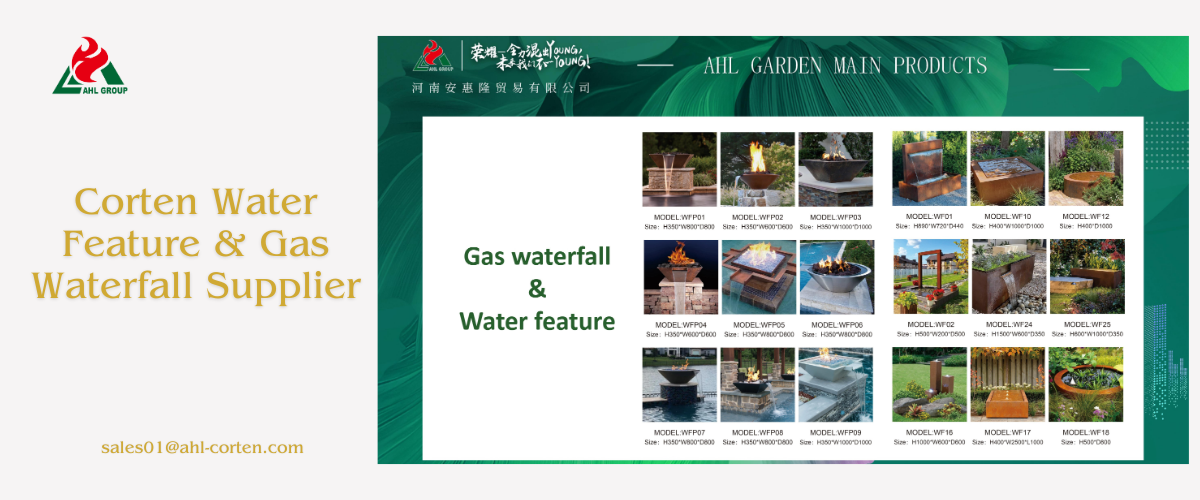
Introduction: The Allure and the Challenge of Corten Water Features
The aesthetic appeal of water cascading over the rugged, rust-colored surface is undeniable; it creates a sensory experience blending sound, movement, and organic hues. However, when water contacts weathering steel, it establishes a permanent “active” environment. Unlike exterior walls that dry immediately after heavy rain, water feature installations may remain wet for thousands of hours annually. This section explores why outdoor water features represent the ultimate test for weathering steel, dissecting the delicate balance between stable rust patinas and destructive oxidation. It provides essential preventive guidance for architects and contractors seeking to uphold their reputation and safeguard client investments.
Why Water Features Are the Ultimate Test for Corten Steel
Water accelerates oxidation. Without the critical “dry” phase in the wet-dry cycle, the protective hematite layer cannot fully stabilize. At this point, design precision becomes the sole barrier against material failure.
The Cost of Failure: Reputation, Repairs, and Premature Failure
Leaking or structurally compromised water features not only ruin aesthetics but also pose legal risks. Repairing failed weathering steel ponds often costs three times the initial installation due to site complexity and heavy welding requirements.
Mistake 1: Selecting Inadequate Material Thickness
The most common mistake in Corten steel garden water feature design is using “standard” gauge steel (1.5mm to 2mm thick) intended for planters or cladding. In aquatic environments, steel endures constant hydrostatic pressure and experiences localized “erosion corrosion” where water impacts surfaces. This section debunks the misconception that “all weathering steels are the same” and establishes new benchmarks for the 2026 code. We advocate thickness as the primary “insurance measure” against perforation. By specifying plate thicknesses of 4mm, 5mm, or even 6mm+, designers can build in long-term corrosion allowance, ensuring landscape structures remain stable for over 50 years.
Minimum Thickness Standards for Water Features (Distinct from Dry Applications)
For water-holding containers exceeding 500 liters in volume, the minimum base plate thickness shall be 5mm. Dry cladding standards do not apply here.
Guidance for Proper Specification: Thickness vs. Volume
Greater volume generates stronger outward pressure. We provide a depth/volume-to-recommended-plate-thickness chart to prevent “bulging deformation” and joint fatigue.
Mistake 2: Poor Drainage and Stagnant Water Design
Stagnant water is the silent killer of weathering steel. When water pools in corners or flat-bottomed basins, it breeds anaerobic bacteria and forms acidic deposits. This hinders the steel's ability to develop a stable rust protective layer, ultimately leading to “pitting corrosion.” This section emphasizes the necessity of “dynamic flow design.” We explore the engineering requirements for establishing positive slopes (minimum 2%) and strategic drainage holes. By 2026, high-specification water features must incorporate “self-flushing” designs, ensuring continuous water flow or complete drainability during maintenance.
Root Cause of Flat-Bottom Failure: The Imperative of Positive Slope
Flat surfaces trap fine particles that act as “moisture sponges,” keeping steel perpetually damp and inhibiting protective oxidation layer formation.
Integrated Continuous Circulation System
We detail how to design pump recirculation systems to eliminate “dead zones” in pools, ensuring oxygen-rich water flow covers every corner of the weathering steel surface.
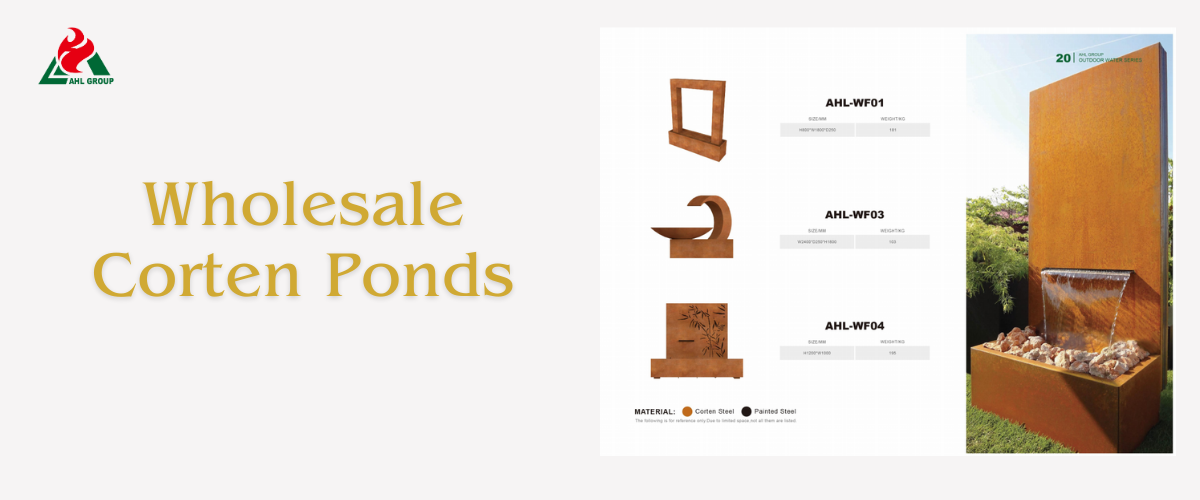
Mistake 3: Ignoring Water Chemistry and Treatment
Many installers treat Corten water features as ordinary swimming pools, disinfecting them with high concentrations of chlorine or bromine. This is a catastrophic mistake. Chlorine, as a strong oxidizing agent, aggressively strips away the steel's protective rust layer and corrodes the grain boundaries. This section delves into the technical essentials of “material-safe hydraulics,” specifying the pH range and total dissolved solids (TDS) standards for weathering steel installations. We specifically warn that copper-based algaecides may trigger electrochemical corrosion and recommend bio-friendly alternatives—maintaining crystal-clear water without compromising metal integrity.
The Chlorine Catastrophe: How Pool Chemicals Destroy the Rust Protective Layer
Chloride ions penetrate the oxide layer to reach bare steel, triggering rapid, uncontrolled rusting that forms “sludge” instead of a protective patina.
Recommended Water Parameters (pH, Hardness, TDS)
We provide specifications: pH should be maintained between 7.2 and 7.8, with low chloride content to ensure steel durability.
Mistake 4: Neglecting Initial Runoff and Surface Staining
The “orange stain incident” is the primary cause of customer disputes. During the initial 6 to 12 months, weathering steel continuously releases iron oxide. If installed on light-colored stone or expensive paving surfaces without a runoff management plan, the resulting damage becomes irreversible. This section explores preventive strategies, covering the application of pre-oxidized steel and the implementation of “sacrificial” drainage zones. We emphasize: Seepage is not a defect but a predictable biological process that must be accounted for in the architectural detailing of surrounding hardscapes.
Predicting Seepage Patterns: Duration and Volume
Seepage peaks during the initial heavy rainstorms. We will explain how to calculate the “seepage buffer zone” based on the vertical surface area of the component.
Pre-oxidized Steel: Eliminating Runoff Risks Before Installation
AHL Group's factory pre-oxidation process utilizes specialized catalysts to stabilize verdigris before site delivery, virtually eliminating staining risks in high-end projects.
Mistake 5: Improper Sealing and Waterproofing
There is a common misconception that weathering steel is inherently waterproof because it “self-seals” through its rust layer. This is incorrect. While the rust layer resists atmospheric corrosion, it cannot prevent moisture from infiltrating micro-pores or weld seams over time. This section clarifies the role of internal coatings. For tank interiors (areas where steel remains submerged long-term), we explore the proper application of food-grade epoxy or bituminous linings while ensuring the exterior remains breathable to develop a decorative rust patina. Choosing a “sealed” versus “breathable” system will determine whether a component lasts five years or fifty.
Causes of External Sealant Failure: Moisture Trapping and Flaking
Applying transparent coatings to weathering steel exteriors is generally inadvisable; moisture trapped beneath the coating causes unsightly “scab-like” peeling, resulting in uneven rust patinas.
Internal coatings for sensitive ecosystems
If aquatic installations contain fish or sensitive aquatic plants, specialized non-toxic linings must be used to prevent iron leaching that could disrupt aquatic ecosystems.
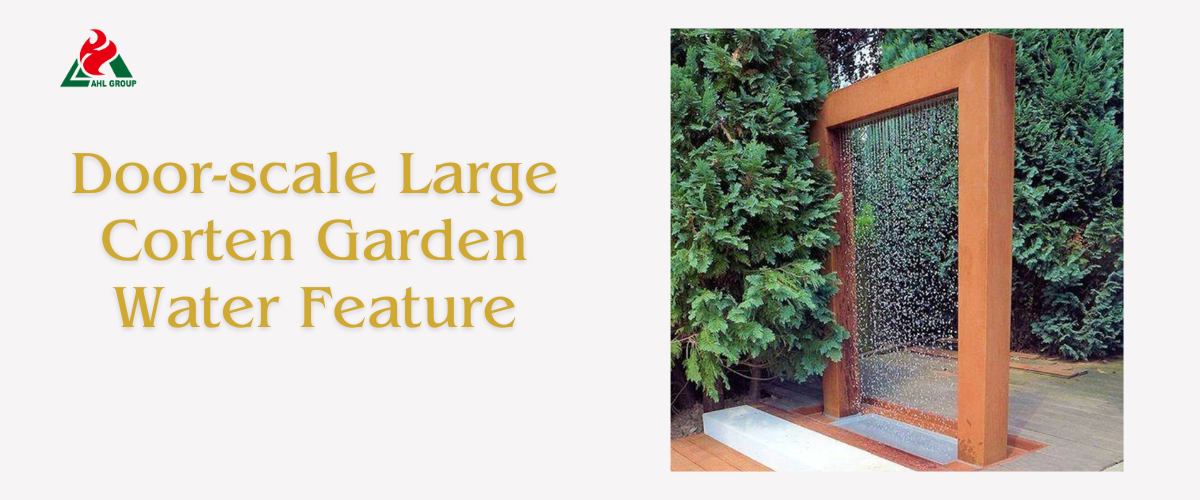
Mistake 6: Overlooking Freeze-Thaw Protection
In cold climates, the pressure generated by ice expansion is sufficient to rupture 6mm-thick steel joints. Many designers fail to account for “ice expansion issues” in structural calculations. This section details the 2026 edition of the Winter Protection Code. We analyze risk distribution zones and provide engineering solutions, such as employing “inclined wall” designs to channel ice upward rather than outward, and integrating automatic drain valves. The code's frost protection measures are not optional maintenance tasks but structural requirements that must be incorporated during the design phase.
Ice Expansion Issue: Structural Stress
Water expands by approximately 9% when frozen. In rigid steel box structures, expansion forces act entirely on welds.
De-icing Strategies: Protecting Steel
We explore low-power pond heaters and bubble aerators to prevent solid freeze-thaw cycles while avoiding corrosive salts.
Mistake 7: Inadequate Structural Support and Base Preparation
Corten landscape water feature installations bear immense loads. Each cubic meter of water weighs 1,000 kilograms, compounded by the weight of 5-millimeter steel plates (39.25 kilograms per square meter). Insufficient foundation bearing capacity will cause uneven settlement, tilting the water surface, and compromising the “infinity pool” or waterfall effect. This section addresses “weight miscalculation” issues by providing load-bearing requirements for various substrates, from compacted soil to rooftop terraces. We emphasize that the foundation must be as durable as the steel itself, employing reinforced concrete footings to ensure the installation remains level throughout its century-long lifespan.
Weight Miscalculation: Water + Steel + Equipment
We provide a “total static load” calculation formula to ensure architects accurately specify foundation bearing capacity.
Roof Installation Foundation Requirements
Roofs require specialized vibration-damping pads and counterweight plates to prevent concentrated loads from metal water features from damaging structural slabs.
Mistake 8: Choosing the Wrong Pump and Filtration System
The final mistake is treating mechanical systems as a secondary consideration. Overpowered pumps cause excessive splashing (leading to more splatter), while underpowered pumps result in stagnant water. Furthermore, rust particles—an inherent part of the weathering steel experience—quickly clog standard filters. This section explores “mechanical compatibility.” We examined the necessity of heavy-duty pumps equipped with pre-filters and the role of UV clarifiers in maintaining crystal-clear water without harsh chemicals. By 2026, pump systems should possess the same resilience as the steel they serve.
Pump Installation Pitfalls: Accessibility and Vibration
Pumps should be housed in independent, serviceable compartments to enable maintenance without draining the entire installation. Vibration-damping mounts are critical to prevent resonance effects in steel tanks.
Filtration Systems: Protecting Equipment from Corrosive Particles
High-surface-area biofilters and magnetic “rust traps” are recommended to intercept minute iron particles before they reach pump impellers.
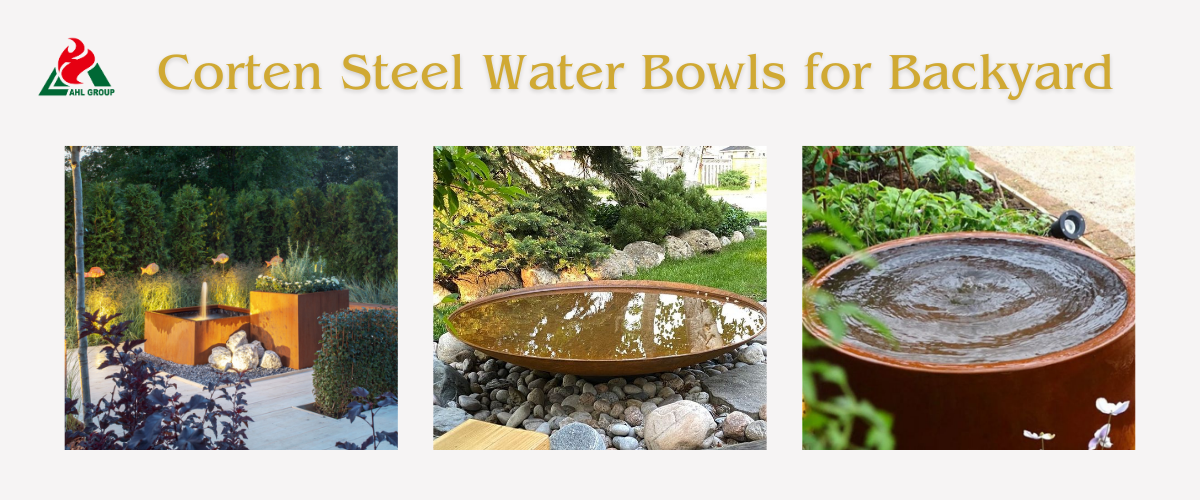
Quick Reference: The Corten Water Feature Mistake Matrix
| Error |
Consequence | Solution | Prevention Cost |
| Thin Gauge |
Perforation/Bowing | Specify ≥5mm | Moderate |
| Chlorine Use |
Sludging/Corrosion | Use UV/Bio-filters | High |
| Flat Bottoms |
Pitting/Stagnation | 2% Positive Slope | Low |
| No Foundation |
Tilting/Seam Stress | Concrete Pad | Moderate |
Conclusion: Creating Timeless Water Features
Designing with CORTEN steel water fountains embodies a practice of “reverent collaboration” with nature. As this guide demonstrates, the most common failures can be entirely avoided through strict specifications and a deep understanding of hydraulic physics. By avoiding these eight critical pitfalls—prioritizing thickness, managing chemical composition, ensuring structural integrity—architects and contractors can create water features that not only withstand environmental erosion but thrive within it. AHL Weathering Steel excels through pre-validated designs and technical support, ensuring your 2026 project becomes a benchmark for water feature excellence.
【Contact our water feature specialists for a project-specific technical review. AHL Group delivers the engineering assurance you need for high-risk landscape projects.】

