


Urban living doesn’t have to mean sacrificing tranquility. More and more homeowners and designers are transforming small balconies into private retreats, and one of the most striking additions is the Corten steel water feature. Its warm, weathered patina and soothing water flow perfectly blend industrial aesthetics with Zen-like serenity.
But the reality is—installing a water feature on a balcony is far from as simple as placing one in a garden. You’ll need to address limited load-bearing capacity, wind impact, drainage challenges, and surface protection issues. Handled correctly, you’ll create a stunning visual focal point; handled incorrectly, you may face structural issues, staining, or maintenance headaches.
So, can you install a Corten steel water feature on a balcony? The answer is YES—but only with careful technical planning. This guide will walk you through all the essentials, from weight calculations to runoff control, ensuring your design is both safe and visually stunning.
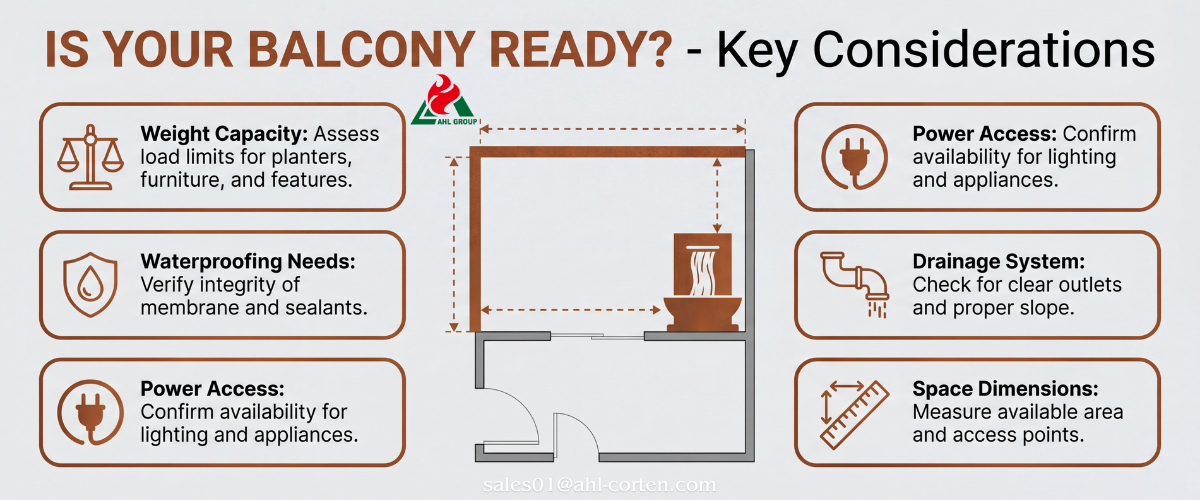
But the reality is—installing a water feature on a balcony is far from as simple as placing one in a garden. You’ll need to address limited load-bearing capacity, wind impact, drainage challenges, and surface protection issues. Handled correctly, you’ll create a stunning visual focal point; handled incorrectly, you may face structural issues, staining, or maintenance headaches.
So, can you install a Corten steel water feature on a balcony? The answer is YES—but only with careful technical planning. This guide will walk you through all the essentials, from weight calculations to runoff control, ensuring your design is both safe and visually stunning.
1. Introduction: Modern Zen on Urban Balconies
The Appeal of Corten Water Features in Small Spaces
Corten steel water fountains possess a unique ability to anchor a space visually, even in compact areas such as balconies. Their rich patina creates a striking contrast with greenery, concrete, or glass, forming a visual focal point that is both natural and architecturally elegant.
In small spaces, every design element must serve a greater purpose. A carefully selected water feature not only serves as decoration but also defines the atmosphere of the space, enhancing the overall ambiance by adding movement, sound, and texture.
Short Answer: Yes, But Technical Planning Is Essential
While installing a Corten water feature on a balcony is entirely feasible, it requires more than just aesthetic considerations. Factors such as structural load-bearing capacity, drainage, wind impact, and maintenance access must be assessed before installation.
Neglecting these aspects can lead to costly mistakes, including floor damage, water leaks, and even structural stress.
Balancing Aesthetics and Structural Safety
Our goal is to strike a balance between design vision and engineering reality. By understanding technical limitations and planning accordingly, you can create a balcony landscape that is both safe and visually stunning.
2. Critical Factor 1: Weight and Structural Load
Calculating Total Weight: Steel + Water + Pump + Base
One of the most critical factors to consider is weight. A Corten steel fountain consists of more than just the steel itself—it also includes the water, an internal pump, and sometimes a base or decorative stones.
For example, a medium-sized water fountain can easily weigh over 150–300 kilograms when filled with water, which places a significant burden on the balcony structure. Therefore, it is essential to perform precise calculations before installation.
Understanding Balcony Weight Limits (Residential vs. Commercial)
Balconies are designed with specific weight-bearing capacities, typically measured in kilograms per square meter. Compared to commercial buildings, residential balconies often have lower weight limits.
Consulting building codes or a structural engineer ensures your installation remains within safe limits. Overloading can lead to long-term structural stress or safety hazards.
Weight Distribution Strategies: Use Weight-Bearing Boards or Place Near Wall Corners
Weight distribution is just as important as the total weight. Placing decorations directly on a small contact surface can create pressure points.
Using weight-bearing boards, rubber pads, or positioning decorations near load-bearing walls or in wall corners helps distribute the weight evenly, thereby reducing the pressure on the structure.
3. Critical Factor 2: Rust Runoff and Balcony Surfaces
The Weathering Process: Why Corten "Bleeds" in the First 6 Months
Weathering steel forms a protective rust layer through a natural oxidation process. In the early stages, it releases an iron-rich efflorescence, commonly referred to as “bleeding.”
This is a normal phenomenon, but it must be handled with care, especially in confined spaces such as balconies.
Risk of Staining Tiles, Concrete, and Wooden Decks
Rust water can permanently stain light-colored surfaces, including tiles, stone, and wooden decks. These stains are difficult to remove completely and, in some cases, cannot be removed at all.
Solutions: Pre-oxidation Treatment and Sealed Drip Trays
To mitigate this issue, consider the following:
► Using pre-oxidized weathering steel to reduce initial bleeding
► Placing sealed drip trays beneath decorative elements
► Using protective pads or barrier screens
These solutions will protect your balcony while allowing the material to naturally develop its distinctive surface patina.
4. Choosing the Right Type of Water Feature for a Balcony
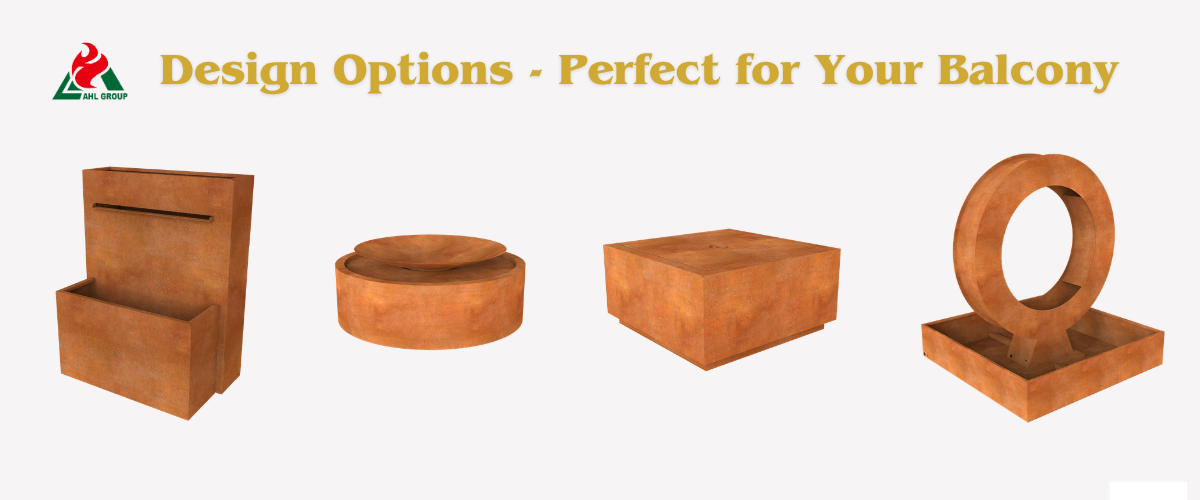
Selecting the right type of weathering steel water feature is not merely a design decision, but a strategy that balances functionality and structural integrity. On balconies, where space is limited and environmental factors are more pronounced, the type of water feature you choose will directly impact safety, maintenance requirements, and the long-term user experience.
Lightweight Wall Fountains vs. Self-Contained Water Bowls
Wall-mounted fountains are typically the most effective solution for balcony environments. By securing the structure to a vertical surface, the load on the floor slab is significantly reduced. This approach is particularly advantageous for small balconies with strict weight restrictions. Additionally, vertical installation enhances the sense of space, directs the eye upward, and creates a more dynamic visual effect.
On the other hand, freestanding water bowls or standalone water feature installations possess a strong sculptural quality. However, their weight is concentrated within a smaller footprint, requiring careful planning of load distribution. These designs are best suited for larger balconies or areas where structural load-bearing capacity has been confirmed.
Splash-proof Design Effectively Prevents Leaks in Windy Conditions
In high-rise environments, wind is a major challenge. High-rise balconies often experience unpredictable gusts that can disrupt water flow, leading to splashing or even leaks.
Splash-proof designs—such as laminar flow fountains or gently sloping waterfall walls—help keep water within the system. These designs not only improve efficiency but also reduce the risk of water splashing onto surrounding surfaces, thereby preventing stains or creating slip hazards.
Solar-Powered Pumps vs. Wired Pumps: Which Is Better for Balconies?
Power supply is another key factor. Solar-powered pumps are convenient and require no wiring, making them attractive for tenants or temporary installations. However, their performance is highly dependent on sunlight, which may be limited in urban environments with tall buildings.
Wired pumps offer stable and reliable performance, making them particularly suitable for landscape features that require continuous operation. When choosing this option, ensure that the electrical installation complies with safety standards and includes waterproofing measures.
Ultimately, the best choice depends on your balcony’s orientation, size, and intended use, as well as your tolerance for maintenance and power supply requirements.
5. Installation Best Practices for High-Rise Settings
Compared to ground-level installation, installing outdoor water features on a balcony requires greater precision. Factors such as wind, vibration, and waterproofing become particularly critical.
Addressing Wind Loads and Vibration Noise
At higher elevations, wind pressure can affect the stability and operation of water features. Loosely secured installations may shift slightly over time, leading to misalignment or generating unwanted noise.
Additionally, vibrations generated by the pump can travel through the building structure, causing audible noise disturbances—particularly in apartment buildings where sound transmission is a concern. Using anti-vibration pads, rubber isolators, and a robust anchoring system helps ensure quiet operation and maintain structural stability.
Waterproofing the Balcony Floor Beneath the Equipment
Waterproofing is an essential step. Even minor leaks or splashes can accumulate over time, potentially damaging the balcony surface or seeping into the floor below.
Installing a secondary waterproofing system (such as a waterproof tray or membrane) beneath the water feature serves as a protective barrier. This layer ensures that excess water is collected and drained away from sensitive areas.
Tips for Power Connection and Concealed Wiring
A neat installation is not only about aesthetics but also about safety. Exposed cables can pose safety hazards and detract from the overall design.
Professional installations typically include concealed wiring, weatherproof outlets, and integrated access points designed for easy maintenance. Planning these elements ensures a seamless and safe installation that complements the facility’s visual appeal.
6. Maintenance: Keeping Your Balcony Water Feature Pristine
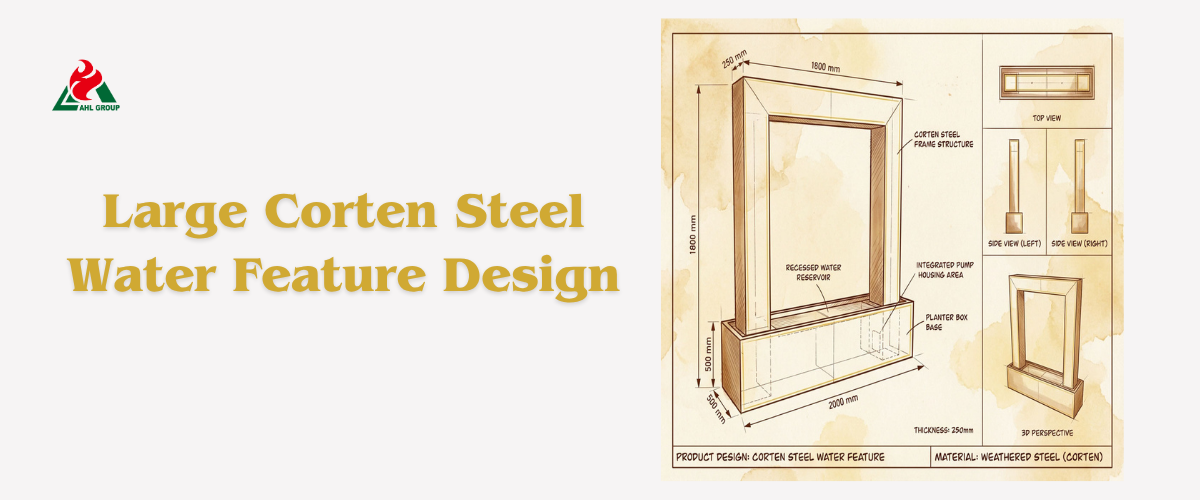
Compared to garden water features, maintaining balcony water features requires a slightly different approach. Due to limited space and the urban environment, minor issues can quickly escalate if not addressed proactively.
Evaporation Management in Sun-Exposed Urban Spaces
Due to reflective surfaces and limited shade, balconies are typically exposed to intense sunlight. This accelerates water evaporation, which can damage the pump if the water level drops too low.
Regular monitoring and the use of an automatic refill system or a graduated water level indicator help ensure stable operation of the equipment. Choosing a design with a deeper reservoir can also reduce the frequency of refilling.
Preventing Algae Growth in Small Ponds
Smaller bodies of water warm up more quickly, creating ideal conditions for algae growth. This not only affects the appearance but can also clog pumps and reduce efficiency.
Using filtered water, regular cleaning, and safe anti-algae treatments helps keep the water clear without damaging the weathering steel surface. Good water circulation is equally important, as stagnant water accelerates biological growth.
Winter Maintenance in Cold Climates
In cold regions, sub-freezing temperatures pose significant risks. Water expands when it freezes, potentially damaging internal components and compromising structural integrity.
Winter maintenance includes draining the system, removing the pump, and covering the water fountain. Even in milder climates, seasonal maintenance ensures the longevity and reliable performance of the water feature.
7. Design Inspiration: Small-Scale Corten Water Walls
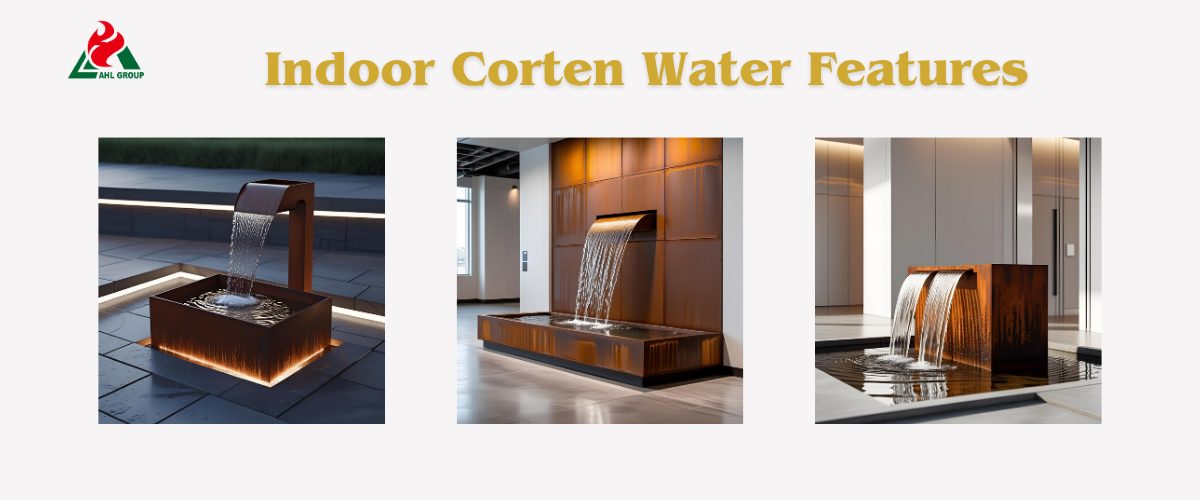
Designing a balcony water feature is about more than just functionality—it’s an opportunity to create a unique visual focal point that reflects your personal style while making the most of limited space.
Integrating Vertical Gardens with Water Features
Combining Corten landscape water features with vertical greenery creates a richly layered, immersive environment. The warm rust tones of the steel contrast vividly with the vibrant green of the plants, resulting in a balanced and natural aesthetic.
This integration also improves microclimate conditions by increasing humidity and providing a cooling effect, thereby enhancing comfort in urban settings.
Using LED Lighting to Highlight the Beauty of Rust at Night
After sunset, lighting completely transforms the experience of the water feature. Carefully arranged warm-toned LED lighting highlights the texture and depth of Corten steel’s rusted surface, creating dramatic effects of light, shadow, and reflection.
In compact spaces, lighting also enhances functionality, making balconies appear more spacious and inviting. Integrated lighting systems designed specifically for outdoor use ensure both durability and safety.
8. Common Mistakes to Avoid
Even well-designed projects can end in failure if common mistakes are overlooked. Understanding these pitfalls helps ensure a smooth and successful installation process.
Ignoring the “Water Hammer” Effect in High-Density Residential Environments
Improper pump settings or poorly designed flow systems can cause sudden changes in pressure, known as the “water hammer” effect. This can lead to noise, vibration, and potential stress on components.
Fine-tuning the pump and using flow regulators ensures smooth, quiet operation—which is particularly important in shared living environments.
Placing Features Directly on Permeable Surfaces Without a Protective Layer
Installing water features directly on porous materials without protective measures can lead to long-term damage. Seepage of water and rust can penetrate the surface, causing stains and structural deterioration.
Using protective barriers, trays, or sealed bases is essential for maintaining the integrity of the balcony.
Neglecting Accessibility for Pump Maintenance
Maintenance access is often overlooked during the design process. If there is insufficient space to reach the pump or its internal components, even simple tasks can become difficult.
Ensuring the design allows for accessibility not only simplifies maintenance but also extends the lifespan of the water feature through regular inspections and timely repairs.
Conclusion: Creating a Safe Private Oasis
High-quality manufacturing ensures tight welds, effective sealing, and reliable performance, thereby reducing the risk of leaks or malfunctions. The AHL Group offers custom-designed solutions tailored for compact and elevated spaces, seamlessly blending aesthetics with engineering precision. For optimal results, consulting with experts ensures your Corten water feature installation meets both design objectives and safety requirements, giving you complete peace of mind.

