


Corten steel edging has become a classic element in modern landscape design. Not only does it create clean, durable borders, but its rich, time-changing patina also blends seamlessly with the natural environment. Although the finished product appears simple, achieving professional results requires a clear understanding of how to properly cut, shape, and work with this material.
Unlike softer metals, weathering steel is engineered to combine high strength with corrosion resistance. This means it behaves differently during fabrication than ordinary metals, requiring the use of proper tools, techniques, and appropriate safety measures. Whether you are a contractor managing a large-scale project or a homeowner customizing a garden layout, mastering these processes will ensure your borders are not only visually appealing but also structurally sound and long-lasting.
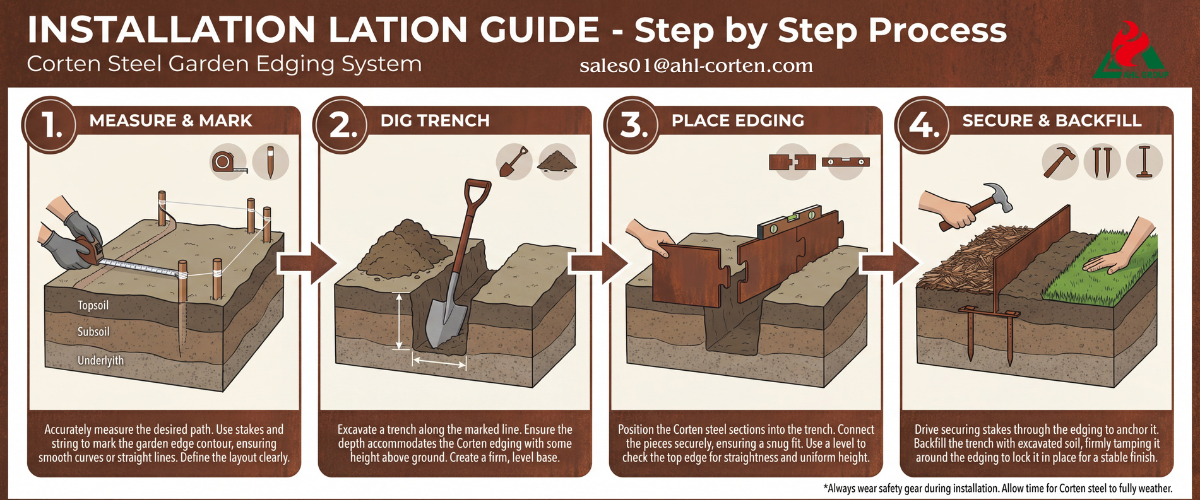
Unlike softer metals, weathering steel is engineered to combine high strength with corrosion resistance. This means it behaves differently during fabrication than ordinary metals, requiring the use of proper tools, techniques, and appropriate safety measures. Whether you are a contractor managing a large-scale project or a homeowner customizing a garden layout, mastering these processes will ensure your borders are not only visually appealing but also structurally sound and long-lasting.
1. Introduction: The Versatility of Corten Steel Edging
Why Cutting and Shaping Skills are Essential for Pro Landscapes
In actual projects, Corten steel landscape edging is rarely delivered to the site in a condition ready for immediate installation. Real-world landscape environments feature curves, changes in elevation, tree roots, and irregular boundaries, all of which require on-site adjustments.
Mastering the skills of precise cutting and shaping the edges allows you to adapt to these conditions without compromising the design intent. Improper cutting or uneven bending can lead to gaps, weak points, or misaligned edges, thereby reducing both aesthetics and durability. Conversely, precise fabrication ensures seamless connections and a professional finish, thereby enhancing the overall quality of the landscape.
Material Properties: Understanding the Hardness of Weathering Steel
Due to the presence of elements such as copper, chromium, and nickel in its alloy composition, weathering steel is harder than standard low-carbon steel. While this increased hardness enhances durability, it also means the cutting process requires greater force and generates more heat.
If mishandled, excessive heat can affect the surface, leading to discoloration or uneven formation of the rust layer. Understanding how the material reacts during cutting and shaping is crucial for maintaining its long-term performance.
Safety First: Essential Personal Protective Equipment (PPE)
Working in steel fabrication always involves risks. Without proper protective measures, flying sparks, sharp edges, and metal dust can all cause serious injury.
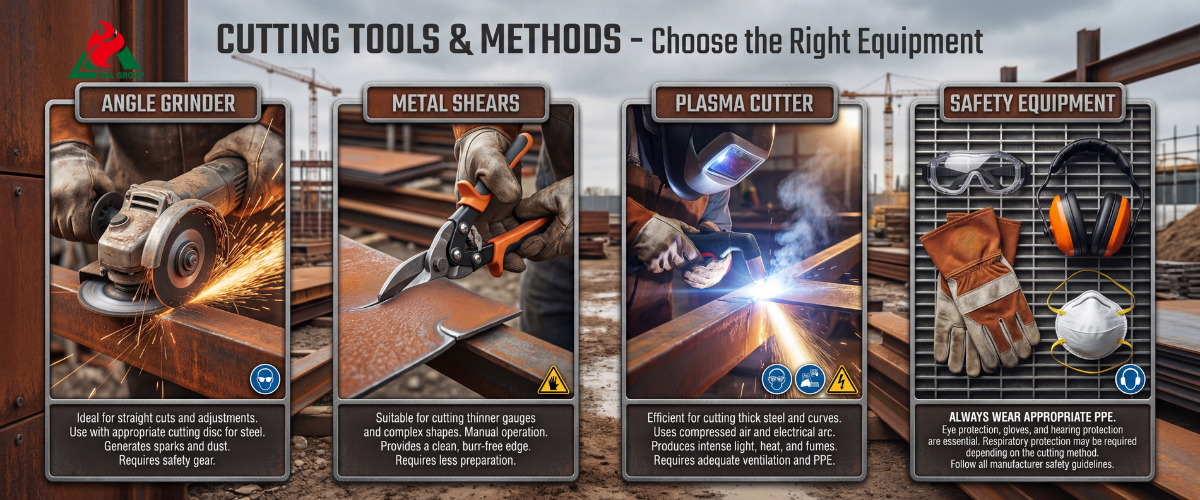
Essential personal protective equipment includes:
► Safety goggles or face shields
► Cut-resistant gloves
► Hearing protection
► Steel-toed boots
Taking safety seriously not only protects you but also ensures consistent, uninterrupted work quality.
2. Essential Tools for Cutting Corten Steel
Angle Grinders with Diamond or Abrasive Discs
Angle grinders are the most commonly used tools for cutting weathering steel edging on-site. They are highly versatile and suitable for both straight cuts and fine adjustments.
Diamond blades offer a longer service life and produce cleaner cuts, while abrasive wheels are more cost-effective but wear out more quickly. The choice of wheel depends on the scale of the project and the required level of precision.
Cold Saws and Plasma Cutters: Ideal for High-Precision Projects
For shop fabrication or high-end projects, cold saws and plasma cutters offer exceptional precision and cleaner cut edges. Plasma cutting, in particular, enables complex shapes while accelerating processing speed, making it well-suited for intricate designs.
However, these tools require more specialized skills and a controlled environment, so they are less suitable for quick on-site modifications.
Hand Saws: When to Use for Minor Trimming
While hand saws are not suitable for large-scale operations, they are highly practical for fine-tuning or in tight spaces where power tools cannot be used. They offer precise control but require significant physical effort and time.
Comparison: Which Tool Provides the Cleanest Edge?
| Tool Type |
Precision | Speed | Best Use Case |
| Best Use Case |
Medium | High | On-site cutting |
| Angle Grinder |
High | High | Complex shapes |
| Plasma Cutter |
Very High | Medium | Workshop fabrication |
| Hacksaw |
Low | Low | Small adjustments |
Selecting the right tool ensures a balance between efficiency, accuracy, and finish quality.
3. Step-by-Step Guide to Cutting Corten Edging
Step 1: Accurate Marking and Measurement Techniques
Precision begins before you make the first cut. Use a tape measure, chalk line, or marker to clearly mark the cutting path. Even the slightest error can cause misalignment during installation.
Double-check all measurements and allow for overlap or seams to avoid wasting material.
Step 2: Secure the Edges to Prevent Vibration
Loose materials may vibrate during cutting, resulting in uneven edging or posing safety hazards. Be sure to secure the edges using clamps or sturdy supports.
A secure clamping system ensures clean, controlled cuts and reduces the risk of accidents.
Step 3: Operation—Maintain a Straight Cut and Cool the Metal
Keep your movements steady and even while cutting. Avoid forcing the blade, as this may cause overheating or uneven edges.
If necessary, pause periodically to allow the metal to cool, thereby maintaining the integrity of the surface.
Step 4: Deburring and smoothing sharp edges to ensure safety
After cutting, the edges will be sharp and potentially dangerous. Use an angle grinder or file to smooth them out.
Deburring not only improves safety but also enhances the final appearance and fit of the edges.
4. Shaping and Bending Techniques for Curves and Corners
Achieving Fluid Curves: Hand Bending vs. Ground Anchoring
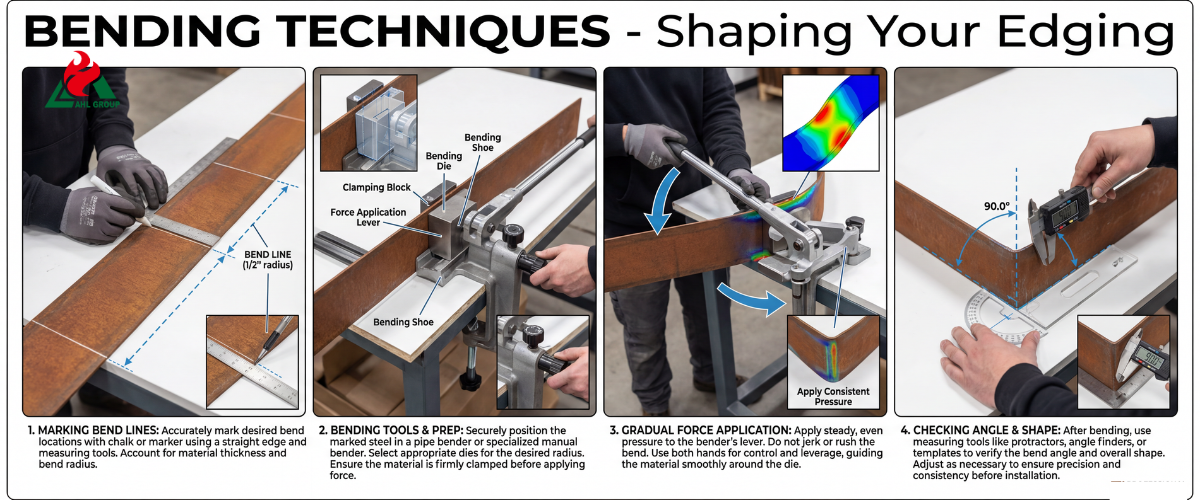
For gentle curves, Corten metal edging can typically be bent by hand, especially thinner gauges. Gradually securing the edging to the ground helps maintain the consistency of the curve.
For tighter curves, pre-forming the material or using specialized tools ensures precision without causing stress to the metal.
Creating Sharp 90-Degree Angles: The “Notch Method”
Sharp right angles require higher precision. The notch method involves making a partial cut along the bend line, allowing the material to fold cleanly and sharply.
This technique produces crisp, professional-grade right angles while maintaining structural integrity.
Achieving Precise Geometric Shapes with Bending Machines or Bending Dies
If precise angles and repeatable results are required, a bending machine or bending mandrel is essential. These tools enable controlled bending, reducing the risk of deformation or cracking.
Accounting for Thermal Expansion and Contraction in Long Curved Structures
Weathering steel expands and contracts with temperature changes. Long curved structures should incorporate small expansion gaps or flexible joints to prevent warping over time.
5. Advanced Fabrication: Joining and Welding Edging Pieces
Overlap Seams vs. Butt Joints: Which is More Durable?
Overlap welds are easier to install and offer greater strength, while butt welds have a cleaner appearance but require precise alignment and welding.
The choice of method depends on project requirements and aesthetic preferences.
Welding Corten: Choosing the Right Rods to Match the Patina
Welding weathering steel requires the use of compatible filler materials to ensure consistency in the rusting effect. Using the wrong type of welding rod may result in noticeable color differences and uneven rusting.
Mechanical Fasteners: Use Weathering Steel Pins and Bolts
In many cases, mechanical fasteners offer a simpler and more flexible solution than welding. Using weathering steel components ensures compatibility and long-term durability.
6. Managing the Cut Edge: Corrosion and Aesthetics
Will Cut Edges Rust Differently? Understanding Edge Oxidation
Freshly cut garden edging lacks the protective oxide layer found on pre-weathered surfaces, which means its initial oxidation rates will differ. This may result in temporary color variations that could cause concern for installers or customers.
However, this is a natural part of the weathering process. Over time, through exposure to moisture and air, the cut edges will form a stable, protective oxide layer that blends seamlessly with the rest of the material. Understanding this timeline is crucial for managing expectations and avoiding unnecessary corrective actions.
How to Accelerate the Formation of Patina on Newly Cut Surfaces
In projects requiring immediate visual consistency, fabricators often accelerate the formation of the oxide layer. This can be achieved through controlled treatments such as uniformly applying a saline solution or a mild oxidizing solution to the surface.
The key lies in balance—excessive application or prolonged wetting can actually interfere with the formation of a stable oxide layer. Proper cycles of wetting and drying are essential for achieving a natural, long-lasting surface finish that matches the surrounding material.
Preventing Rust Runoff at the Cut Joints
During the initial stages of weathering, water running off the cut edges may stain adjacent materials, such as concrete or stone. This issue is particularly pronounced at joints where water tends to pool.
Preventive measures include:
► Designing proper drainage pathways
► Installing a gravel border beneath the joints
► Pre-weathering the components before installation
These measures help keep the surrounding landscape clean and ensure a professional-looking finish.
7. Common Mistakes to Avoid When Fabricating Corten
Using the Wrong Cutting Disc: Avoiding Surface Contamination
Not all cutting discs are suitable for weathering steel. Using contaminated or unsuitable cutting discs may introduce foreign particles, resulting in uneven rust patterns or surface defects.
Be sure to use clean, high-quality cutting discs designed specifically for steel processing to ensure uniform surface treatment results.
Overheating of Steel: Impact on the Protective Oxide Layer
Excessively high temperatures during cutting can alter the surface structure of the steel, thereby affecting the formation of the rust layer. This may result in uneven coloration or delay the rusting process.
Maintaining a controlled cutting speed and allowing for cooling periods helps preserve the material’s natural properties.
Neglecting Deburring: The Hidden Danger of Sharp Edges
Skipping the deburring process is a common oversight that can lead to safety hazards. Sharp edges are not always visible to the naked eye but can cause injury during installation or maintenance.
Proper surface finishing ensures user safety while delivering a clean, polished final appearance.
8. Quick Pro-Tips for On-Site Customization
Working Around Tree Roots and Existing Hardscapes
Landscapes in the real world are rarely perfect. Flexibility is essential when dealing with obstacles such as tree roots or existing paving.
Through careful cutting and shaping, curbstones can adapt to these conditions without compromising their structural integrity.
Creating Tiered Garden Beds with Shaped Edging
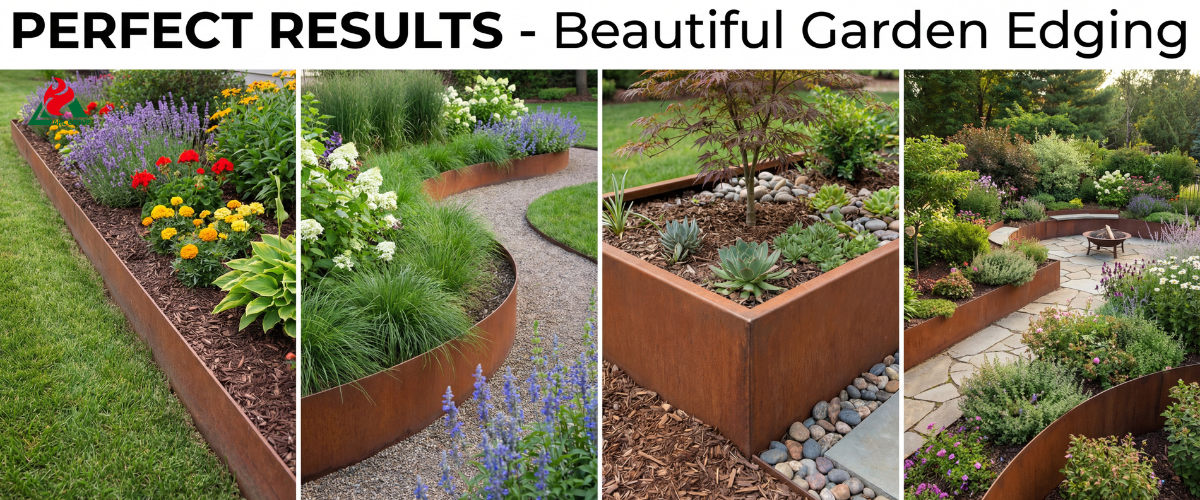
Corten steel garden edging is an ideal choice for creating multi-tiered garden designs. By shaping and joining individual sections, you can construct tiered planters that add depth and visual interest to the space.
This approach not only enhances aesthetics but also improves soil retention and drainage management.
Conclusion: Creating the Perfect Landscape Edging Project
From selecting the right tools to making precise cuts and achieving the desired weathered effect, every step is crucial to the final result. Attention to detail ensures a professional-grade installation that stands the test of time. When properly treated, weathering steel offers exceptional durability, maintaining its structural integrity while resisting corrosion. Proper fabrication techniques fully leverage these advantages, ensuring your landscaping edging remains both functional and aesthetically pleasing for decades to come.
AHL Group offers solutions designed for efficiency and performance, helping you achieve high-quality results with ease in any landscaping project. For complex designs or large-scale installations, expert guidance will help you confidently achieve the best possible results.

