


As Corten steel lights gain popularity in gardens, patios, and architectural landscapes, property owners naturally question: Do these industrial-style lights pose high-temperature safety risks? Understanding thermal properties is crucial when selecting outdoor lighting materials—especially for weathering steel with its unique thermal characteristics. This guide delves into the principles of heat generation in outdoor lighting systems, analyzes the interaction between weathering steel and various light sources, and provides evidence-based solutions to optimize both safety and aesthetics. We explore how modern LED technology is revolutionizing outdoor lighting safety standards, dissect key design elements affecting heat retention, and establish clear safety protocols for installing Corten steel lights. Whether you plan to suspend Corten hanging lamps over dining areas or lay pathway lights beside greenery, this guide delivers expert technical knowledge to empower you with informed, safe decisions for your illuminated landscapes.
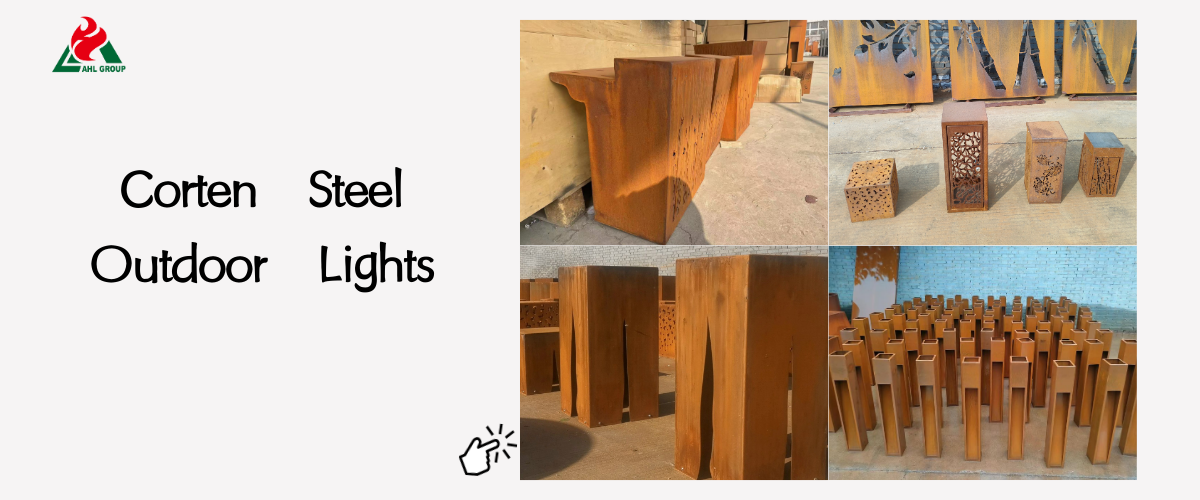
Thermal management is one of the most critical yet often overlooked aspects of outdoor lighting design. Unlike indoor fixtures in controlled environments, outdoor lighting equipment must withstand variable weather conditions while ensuring it does not become a safety hazard or damage its own materials.
All lighting equipment converts electrical energy into visible light and infrared radiation (thermal energy), with conversion efficiency determining their relative proportions. Outdoor lamps generate heat according to fundamental physical principles: traditional incandescent bulbs waste approximately 90% of energy as heat, while modern LEDs typically convert 80-90% of energy into light, producing minimal heat. The heat transfer mechanisms in metal lights involve conduction (through the material itself), convection (dissipating heat into the surrounding air), and radiation (direct infrared emission). Weathering steel has a thermal conductivity of approximately 50 W/m·K, positioned between aluminum (high thermal conductivity) and stainless steel (low thermal conductivity), creating unique thermal management characteristics that designers must fully understand.
Selecting Corten steel for lighting applications requires balancing aesthetic demands with thermal performance. Corten steel's distinctive rust patina forms a thin insulating layer on the oxidized surface, slightly reducing surface temperatures compared to polished metals. However, the heat storage properties of its metal lamps mean that once heated, Corten lighting may cool slightly slower than highly thermally conductive materials like copper or aluminum. This makes proper thermal design—particularly the integration of ventilation and heat sinks—more critical than with alternative materials.
The selection of bulb type and power rating is a critical factor determining the heat output of any lighting system. It directly dictates the fundamental thermal load that weathering steel lamps must withstand. Understanding this relationship is essential for selecting safe components and preventing overheating at its source.
Comparative heat generation data reveals significant differences: a 60-watt incandescent bulb reaches approximately 85°F (30°C) on its glass surface, while a 9-watt LED lamp of equivalent brightness typically only heats up to 105°F (40°C). More critically, the total thermal load on lamp materials differs: incandescent bulbs radiate heat omnidirectionally, causing overall internal heating; LEDs primarily dissipate heat through the base where the heat sink is mounted. This fundamental difference explains why pairing LEDs with Corten steel outdoor lighting is strongly recommended—their directional heat dissipation enables precise thermal management rather than heating the entire fixture.
The physical structure of the fixture directly determines its heat dissipation efficiency. Beyond aesthetic considerations, the rational layout of ventilation channels, heat sinks, and thermal interface materials distinguishes safe, durable Corten steel garden lights from products prone to overheating and failure.
Carefully designed Corten steel light fixtures integrate thermal management into outdoor lighting through strategic ventilation structures, internal heat sinks, and thermal pathways. Key features include: Ventilation channels in Corten steel bollard lights enable convective cooling without compromising weather resistance; internal aluminum radiators within metal light fixtures draw heat away from sensitive components; and thermal break mounting structures isolate high-temperature elements from the Corten steel surface. Poorly designed fixtures may create thermal pockets within enclosed structures, causing localized temperatures to far exceed ambient levels.
External factors such as ambient temperature, solar radiation intensity, humidity, and wind speed collectively define the luminaire's operating environment. These conditions can either enhance or severely impede heat dissipation, meaning identical luminaires may perform drastically differently in various installation settings.
In outdoor environments, Corten steel outdoor lights endure a dual thermal load: the internal heat generated by the light source, combined with external solar radiation heat. During summer months, solar heating of metal fixtures can elevate the surface temperature of weathering steel by 40-60°F (22-33°C) above ambient air temperature before the fixture is even turned on. This preheating effect impacts lighting performance—fixtures operating under full sunlight may reach higher temperatures than identical fixtures in shaded locations, necessitating corresponding derating of maximum power ratings.

Advancements in lighting technology have fundamentally transformed the application possibilities and safety of metal outdoor lights (such as weathering steel).
The shift toward LED thermal efficiency represents the most significant safety innovation in metal lighting. High-quality LED chips now achieve luminous efficacy exceeding 150 lumens per watt, compared to just 10-15 lumens per watt for incandescent bulbs and 20-30 lumens per watt for halogen lamps. This significant reduction in waste heat output means that well-designed LED Corten lights typically operate at surface temperatures 40-70% lower than equivalent traditional fixtures. Furthermore, LEDs' directional light emission allows thermal management to occur at the light source itself, rather than through heat diffusion within the fixture.
High-end Corten steel lighting now employs integrated aluminum heat sink designs that actively dissipate heat away from LED modules. Thermal conduction pathways in composite fixtures often utilize copper thermal pads or thermal paste to transfer heat generated by LEDs to the aluminum heat sink. This heat is then dissipated through fins or thermal connections to the weather-resistant steel body. This active cooling system for outdoor lights maintains LED junction temperatures within safe operating limits, significantly extending LED lifespan and enhancing luminaire safety.
The fundamental relationship between power consumption and heat output follows predictable physical laws: each watt of electricity converts to approximately 3.4 BTU/hour of heat. Thus, a 50-watt halogen fixture generates about 170 BTU of waste heat per hour, while a 7-watt LED lamp of equivalent brightness produces only 24 BTU/hour. The quantifiable cooling effect achieved through high-efficiency illumination is precisely why modern LED Corten lights rarely exhibit the safety hazards associated with traditional lighting technologies.
The aesthetic qualities of weathering steel combined with LED technology create visually stunning and thermally safe outdoor lighting solutions.
LED technology's low-heat operation perfectly complements the unique thermal properties of weathering steel. Since sustained high temperatures (typically exceeding 300°F/149°C) can compromise the protective rust layer of weathering steel, LEDs' typical operating temperature below 185°F/85°C ensures the rust layer remains intact under thermal stress. Additionally, the uniform temperature distribution of LED arrays prevents the localized hotspots that incandescent bulbs generate near weathering steel surfaces.
Actual measurements reveal significant differences: A typical 12-watt LED path light surfaces reach 110-130°F (43-54°C), while equivalent 75-watt incandescent products hit 190-220°F (88-104°C). Halogen fixtures fall between these two, with a 50-watt halogen spotlight often reaching surface temperatures of 160-180°F (71-82°C). This temperature differential between bulb types explains why manufacturers increasingly restrict or prohibit traditional bulbs in Corten lamps.
Selecting the right LED bulb requires considering color temperature's impact on perceived heat (warm tones typically use slightly less efficient phosphors) and driver placement for optimal heat dissipation. Integrated LED fixtures typically offer superior thermal management, with proprietary thermal designs ensuring components work in harmony. For fixtures with replaceable bulbs, select UL-certified LED replacements, ensure outdoor lights use compatible socket types, and verify compatibility with enclosed fixtures.
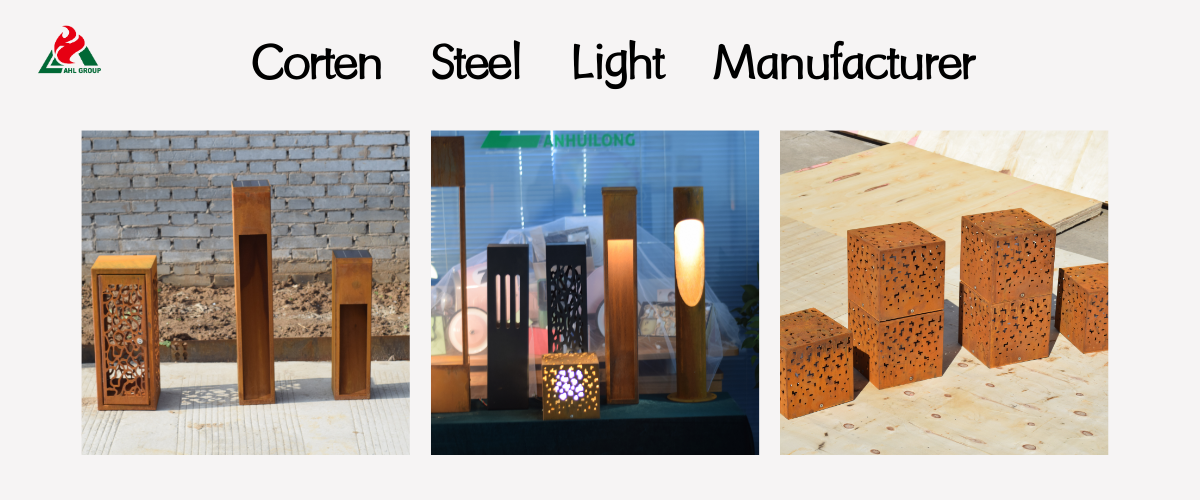
Implement established safety standards to ensure Corten lighting delivers aesthetic appeal while eliminating risks.
Strictly adhere to the maximum power ratings for Corten lights. Integrated LED fixtures typically support 9W, while compatible socket types accommodate up to 40W. Enclosed fixtures must follow specified bulb type restrictions; using uncertified bulbs may cause dangerous heat buildup. Install thermal protection devices such as fuses or thermal breakers in lighting circuits to automatically cut power when temperatures exceed safe limits.
Maintain minimum safe distances from combustible surfaces: Typically 6-12 inches (15-30 cm) from wood structures, 18-24 inches (45-60 cm) from fabric awnings, and 3-6 feet (0.9-1.8 m) from overhanging branches. Wall-mounted Corten steel lights must maintain a minimum 3-inch (7.6 cm) ventilation gap between the fixture back and wall material. Manage vegetation around path lights to prevent plant growth from obstructing fixture ventilation zones.
Establish a quarterly outdoor lighting safety inspection protocol, including: visual checks for discoloration (indicating overheating), surface temperature measurements using an infrared thermometer, and verification of unobstructed ventilation. Document baseline thermal performance metrics for fixtures to identify gradual changes before hazards develop.
Even well-designed systems may experience thermal issues that require identification and correction.
Evaluate fixtures using infrared thermometer readings to identify abnormal temperature distributions. Compare readings against manufacturer-specified temperature specifications and typical benchmarks: Weathering steel surface temperatures should generally remain below 150°F/66°C for safe touch and below 200°F/93°C to maintain rust layer integrity. Focus on detecting abnormal thermal gradients with localized significant overheating within fixtures, which may indicate radiator failure or ventilation blockage.
Most overheating issues stem from the following causes: using improper bulbs in rated fixtures (such as higher wattage or non-LED bulbs), accumulated debris blocking ventilation channels, or environmental changes affecting heat dissipation (such as new plant growth or increased enclosed space). Solutions include: retrofitting older lamps with LED conversion kits, adding ventilation to enclosed light fixtures, or relocating lamps to better-ventilated areas. If issues persist, a professional lighting system thermal assessment is recommended to identify hidden faults like voltage fluctuations or poor dimmer switch compatibility.
Immediate replacement is necessary when fixtures exhibit persistent thermal discoloration, thermal damage causing component deformation, or frequent bulb failures indicating overheating. If maintaining outdated fixtures exceeds replacement costs, consider a comprehensive upgrade to an integrated LED system. Modern thermally engineered Corten lighting systems offer significant improvements in safety and energy efficiency compared to designs from 5-10 years ago.
.png)
Temperatures exceeding 300°F/149°C for extended periods may alter the protective oxide layer of weathering steel. However, properly designed LED fixtures operate well below this threshold. Brief exposure to high temperatures during the initial rust formation phase (first 6-12 months) may cause minor color variations. Modern low-heat lighting typically has a negligible impact on weathering steel's rust patina.
Yes. Corten steel lights with open-frame designs typically run cooler than fully enclosed styles due to superior airflow. Pendant lights with vented chimneys dissipate heat more efficiently than sealed downlights. Path lights featuring upward ventilation often operate at lower temperatures than comparable fully enclosed bollard lights. Selecting perforated weathering steel designs for thermal management can reduce operating temperatures by 15-25% compared to solid styles.
Cold environments actually enhance heat dissipation by increasing the temperature differential for heat transfer. However, the thermal contraction properties of metal luminaires require careful consideration. Proper expansion joint design is essential to prevent stress cracking. Condensation management on cooled luminaires is particularly critical; quality designs incorporate drainage channels to prevent water accumulation and freezing that could damage components.
When Corten steel outdoor lighting is thoughtfully designed with modern LED technology and installed with careful heat management, it becomes a safe, efficient, and aesthetically compelling choice for landscape illumination. The key insight is that the material of the fixture matters far less than the lighting technology it houses—advancements in LED technology have largely eliminated the heat dissipation concerns once associated with metal outdoor lighting.
Understanding Heat in Outdoor Lighting
Thermal management is one of the most critical yet often overlooked aspects of outdoor lighting design. Unlike indoor fixtures in controlled environments, outdoor lighting equipment must withstand variable weather conditions while ensuring it does not become a safety hazard or damage its own materials.
Analysis of Lamp Heating Mechanisms
All lighting equipment converts electrical energy into visible light and infrared radiation (thermal energy), with conversion efficiency determining their relative proportions. Outdoor lamps generate heat according to fundamental physical principles: traditional incandescent bulbs waste approximately 90% of energy as heat, while modern LEDs typically convert 80-90% of energy into light, producing minimal heat. The heat transfer mechanisms in metal lights involve conduction (through the material itself), convection (dissipating heat into the surrounding air), and radiation (direct infrared emission). Weathering steel has a thermal conductivity of approximately 50 W/m·K, positioned between aluminum (high thermal conductivity) and stainless steel (low thermal conductivity), creating unique thermal management characteristics that designers must fully understand.
Why Material Selection is Critical for Temperature Control
Selecting Corten steel for lighting applications requires balancing aesthetic demands with thermal performance. Corten steel's distinctive rust patina forms a thin insulating layer on the oxidized surface, slightly reducing surface temperatures compared to polished metals. However, the heat storage properties of its metal lamps mean that once heated, Corten lighting may cool slightly slower than highly thermally conductive materials like copper or aluminum. This makes proper thermal design—particularly the integration of ventilation and heat sinks—more critical than with alternative materials.
Breaking Down the Heat Factors
Factor 1: Bulb Type and Power Rating
The selection of bulb type and power rating is a critical factor determining the heat output of any lighting system. It directly dictates the fundamental thermal load that weathering steel lamps must withstand. Understanding this relationship is essential for selecting safe components and preventing overheating at its source.
The Primary Heat Source of Any Lighting Fixture
Comparative heat generation data reveals significant differences: a 60-watt incandescent bulb reaches approximately 85°F (30°C) on its glass surface, while a 9-watt LED lamp of equivalent brightness typically only heats up to 105°F (40°C). More critically, the total thermal load on lamp materials differs: incandescent bulbs radiate heat omnidirectionally, causing overall internal heating; LEDs primarily dissipate heat through the base where the heat sink is mounted. This fundamental difference explains why pairing LEDs with Corten steel outdoor lighting is strongly recommended—their directional heat dissipation enables precise thermal management rather than heating the entire fixture.
Factor 2: Fixture Design and Heat Dissipation Structure
The physical structure of the fixture directly determines its heat dissipation efficiency. Beyond aesthetic considerations, the rational layout of ventilation channels, heat sinks, and thermal interface materials distinguishes safe, durable Corten steel garden lights from products prone to overheating and failure.
How Design Influences Heat Retention and Dissipation
Carefully designed Corten steel light fixtures integrate thermal management into outdoor lighting through strategic ventilation structures, internal heat sinks, and thermal pathways. Key features include: Ventilation channels in Corten steel bollard lights enable convective cooling without compromising weather resistance; internal aluminum radiators within metal light fixtures draw heat away from sensitive components; and thermal break mounting structures isolate high-temperature elements from the Corten steel surface. Poorly designed fixtures may create thermal pockets within enclosed structures, causing localized temperatures to far exceed ambient levels.
Factor 3: Environmental Conditions
External factors such as ambient temperature, solar radiation intensity, humidity, and wind speed collectively define the luminaire's operating environment. These conditions can either enhance or severely impede heat dissipation, meaning identical luminaires may perform drastically differently in various installation settings.
Environmental Temperature and Solar Radiation Effects
In outdoor environments, Corten steel outdoor lights endure a dual thermal load: the internal heat generated by the light source, combined with external solar radiation heat. During summer months, solar heating of metal fixtures can elevate the surface temperature of weathering steel by 40-60°F (22-33°C) above ambient air temperature before the fixture is even turned on. This preheating effect impacts lighting performance—fixtures operating under full sunlight may reach higher temperatures than identical fixtures in shaded locations, necessitating corresponding derating of maximum power ratings.
The Critical Role of Modern Lighting Technology
Advancements in lighting technology have fundamentally transformed the application possibilities and safety of metal outdoor lights (such as weathering steel).
The LED Revolution in Outdoor Lighting Safety
The shift toward LED thermal efficiency represents the most significant safety innovation in metal lighting. High-quality LED chips now achieve luminous efficacy exceeding 150 lumens per watt, compared to just 10-15 lumens per watt for incandescent bulbs and 20-30 lumens per watt for halogen lamps. This significant reduction in waste heat output means that well-designed LED Corten lights typically operate at surface temperatures 40-70% lower than equivalent traditional fixtures. Furthermore, LEDs' directional light emission allows thermal management to occur at the light source itself, rather than through heat diffusion within the fixture.
Integrated Heat Sinks in Premium Lighting Fixtures
High-end Corten steel lighting now employs integrated aluminum heat sink designs that actively dissipate heat away from LED modules. Thermal conduction pathways in composite fixtures often utilize copper thermal pads or thermal paste to transfer heat generated by LEDs to the aluminum heat sink. This heat is then dissipated through fins or thermal connections to the weather-resistant steel body. This active cooling system for outdoor lights maintains LED junction temperatures within safe operating limits, significantly extending LED lifespan and enhancing luminaire safety.
Energy Efficiency and Heat Dissipation: A Positive Correlation
The fundamental relationship between power consumption and heat output follows predictable physical laws: each watt of electricity converts to approximately 3.4 BTU/hour of heat. Thus, a 50-watt halogen fixture generates about 170 BTU of waste heat per hour, while a 7-watt LED lamp of equivalent brightness produces only 24 BTU/hour. The quantifiable cooling effect achieved through high-efficiency illumination is precisely why modern LED Corten lights rarely exhibit the safety hazards associated with traditional lighting technologies.
The LED Solution: Keeping Corten Lights Cool
The aesthetic qualities of weathering steel combined with LED technology create visually stunning and thermally safe outdoor lighting solutions.
Why LEDs Are the Perfect Partner for Corten Steel
LED technology's low-heat operation perfectly complements the unique thermal properties of weathering steel. Since sustained high temperatures (typically exceeding 300°F/149°C) can compromise the protective rust layer of weathering steel, LEDs' typical operating temperature below 185°F/85°C ensures the rust layer remains intact under thermal stress. Additionally, the uniform temperature distribution of LED arrays prevents the localized hotspots that incandescent bulbs generate near weathering steel surfaces.
Heat Output Comparison: LED vs. Halogen vs. Incandescent
Actual measurements reveal significant differences: A typical 12-watt LED path light surfaces reach 110-130°F (43-54°C), while equivalent 75-watt incandescent products hit 190-220°F (88-104°C). Halogen fixtures fall between these two, with a 50-watt halogen spotlight often reaching surface temperatures of 160-180°F (71-82°C). This temperature differential between bulb types explains why manufacturers increasingly restrict or prohibit traditional bulbs in Corten lamps.
Maximizing Efficiency and Safety with Modern Bulbs
Selecting the right LED bulb requires considering color temperature's impact on perceived heat (warm tones typically use slightly less efficient phosphors) and driver placement for optimal heat dissipation. Integrated LED fixtures typically offer superior thermal management, with proprietary thermal designs ensuring components work in harmony. For fixtures with replaceable bulbs, select UL-certified LED replacements, ensure outdoor lights use compatible socket types, and verify compatibility with enclosed fixtures.
Safety Protocols and Guidelines
Implement established safety standards to ensure Corten lighting delivers aesthetic appeal while eliminating risks.
Manufacturer Specifications and Warnings
Strictly adhere to the maximum power ratings for Corten lights. Integrated LED fixtures typically support 9W, while compatible socket types accommodate up to 40W. Enclosed fixtures must follow specified bulb type restrictions; using uncertified bulbs may cause dangerous heat buildup. Install thermal protection devices such as fuses or thermal breakers in lighting circuits to automatically cut power when temperatures exceed safe limits.
Clearance Requirements for Combustible Materials
Maintain minimum safe distances from combustible surfaces: Typically 6-12 inches (15-30 cm) from wood structures, 18-24 inches (45-60 cm) from fabric awnings, and 3-6 feet (0.9-1.8 m) from overhanging branches. Wall-mounted Corten steel lights must maintain a minimum 3-inch (7.6 cm) ventilation gap between the fixture back and wall material. Manage vegetation around path lights to prevent plant growth from obstructing fixture ventilation zones.
Regularly inspect for heat-related issues
Establish a quarterly outdoor lighting safety inspection protocol, including: visual checks for discoloration (indicating overheating), surface temperature measurements using an infrared thermometer, and verification of unobstructed ventilation. Document baseline thermal performance metrics for fixtures to identify gradual changes before hazards develop.
Troubleshooting Overheating Problems
Even well-designed systems may experience thermal issues that require identification and correction.
Diagnosing Overheating in Corten Steel Lights
Evaluate fixtures using infrared thermometer readings to identify abnormal temperature distributions. Compare readings against manufacturer-specified temperature specifications and typical benchmarks: Weathering steel surface temperatures should generally remain below 150°F/66°C for safe touch and below 200°F/93°C to maintain rust layer integrity. Focus on detecting abnormal thermal gradients with localized significant overheating within fixtures, which may indicate radiator failure or ventilation blockage.
Common Causes and Solutions
Most overheating issues stem from the following causes: using improper bulbs in rated fixtures (such as higher wattage or non-LED bulbs), accumulated debris blocking ventilation channels, or environmental changes affecting heat dissipation (such as new plant growth or increased enclosed space). Solutions include: retrofitting older lamps with LED conversion kits, adding ventilation to enclosed light fixtures, or relocating lamps to better-ventilated areas. If issues persist, a professional lighting system thermal assessment is recommended to identify hidden faults like voltage fluctuations or poor dimmer switch compatibility.
When to Replace or Upgrade Lighting Systems
Immediate replacement is necessary when fixtures exhibit persistent thermal discoloration, thermal damage causing component deformation, or frequent bulb failures indicating overheating. If maintaining outdated fixtures exceeds replacement costs, consider a comprehensive upgrade to an integrated LED system. Modern thermally engineered Corten lighting systems offer significant improvements in safety and energy efficiency compared to designs from 5-10 years ago.
Frequently Asked Questions About Corten Lighting
Q: Can High Temperatures Damage the Weathered Surface?
Temperatures exceeding 300°F/149°C for extended periods may alter the protective oxide layer of weathering steel. However, properly designed LED fixtures operate well below this threshold. Brief exposure to high temperatures during the initial rust formation phase (first 6-12 months) may cause minor color variations. Modern low-heat lighting typically has a negligible impact on weathering steel's rust patina.
Q: Do Certain Corten Steel Lamps Run Cooler Than Others?
Yes. Corten steel lights with open-frame designs typically run cooler than fully enclosed styles due to superior airflow. Pendant lights with vented chimneys dissipate heat more efficiently than sealed downlights. Path lights featuring upward ventilation often operate at lower temperatures than comparable fully enclosed bollard lights. Selecting perforated weathering steel designs for thermal management can reduce operating temperatures by 15-25% compared to solid styles.
Q: How Do Low Winter Temperatures Affect Luminaires?
Cold environments actually enhance heat dissipation by increasing the temperature differential for heat transfer. However, the thermal contraction properties of metal luminaires require careful consideration. Proper expansion joint design is essential to prevent stress cracking. Condensation management on cooled luminaires is particularly critical; quality designs incorporate drainage channels to prevent water accumulation and freezing that could damage components.
Conclusion: Illuminate Your Garden with Corten Steel Landscape Lighting
When Corten steel outdoor lighting is thoughtfully designed with modern LED technology and installed with careful heat management, it becomes a safe, efficient, and aesthetically compelling choice for landscape illumination. The key insight is that the material of the fixture matters far less than the lighting technology it houses—advancements in LED technology have largely eliminated the heat dissipation concerns once associated with metal outdoor lighting.

