


In the landscape architecture industry, Corten steel garden edging is hailed as a “maintenance-free” solution for modern outdoor design. Its ability to form a protective rust patina endows it with inherent durability, yet many users still seek ways to maximize its 40- to 50-year lifespan. As a leading manufacturer, AHL Group has developed this authoritative guide to help you manage the structural integrity and aesthetic evolution of your weathering steel border.
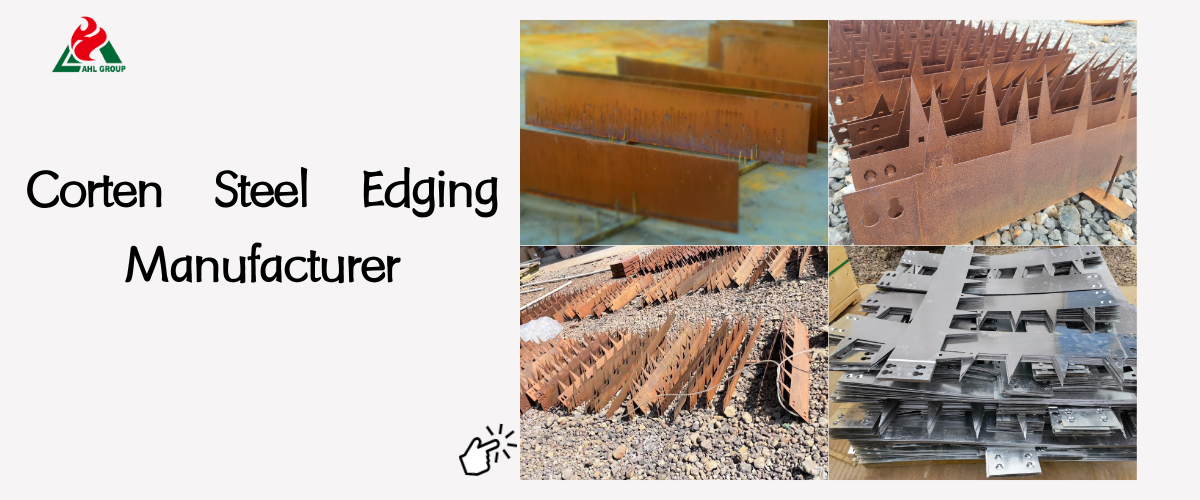
The Low-Effort Appeal of Corten Edging
The primary reason for selecting weathering steel lies in its metallurgical properties. Unlike traditional carbon steel, which corrodes continuously until structural failure, AHL Group's weathering steel contains elements such as copper, chromium, and nickel. These alloys react with the atmosphere to form a dense, “stubborn” oxide layer that protects the base metal.
Why Proper Maintenance Extends Its Already Long Lifespan
While the rust layer acts as a natural barrier, its formation relies on specific “wet-dry cycles.” If the steel remains perpetually damp or buried under moist organic debris, the rust layer cannot stabilize. Correct maintenance of weathering steel boundaries ensures these cycles continue, preventing deep pitting corrosion and maintaining consistent metal thickness for decades.
Establishing Reasonable Maintenance Expectations
Maintenance of the AHL Corten edging system is primarily observational and requires minimal labor input. Annual maintenance for the entire installed system is estimated at less than 30 minutes. The focus is not on “repairing” the steel, but on ensuring environmental conditions allow the steel to protect itself.
Essential Maintenance Tasks Explained
Routine checks are the secret to preserving the crisp, professional lines of your landscape.
Task 1: Visual Inspection (Bi-Annual)
We recommend a quick walkthrough in early Spring and late Autumn.
Key Inspection Points: Stability, Debris Accumulation, and Plant Invasion
• Stability: In cold climates, inspect for frost heave, which may cause localized foundation displacement.
• Debris Accumulation: Ensure that fallen leaves or mulch do not form a compacted layer on the surface, which prevents the creation of moisture retention zones.
• Bridge Phenomenon: Monitor soil accumulation to prevent grass roots from forming pathways through the weathering steel root barrier.
Task 2: Cleaning and Debris Removal (Annual)
Maintaining surfaces free of decaying organic matter is crucial for chemical health.
Gentle Maintenance Methods for Patina
If your metal edging becomes soiled with mud or bird droppings, clean it using a soft nylon brush and water. Avoid pressure washers, as they can strip away developing patina and force the weathering process to restart.
Task 3: Structural Integrity Check (Annual)
Steel is sturdy, but the ground shifts dynamically.
Reinforce Ground Piles and Ensure Alignment
Inspect AHL Heavy-Duty Ground Piles and Connecting Clamps. If a section is lightly bumped by a lawn mower, gently tap it back into place with a rubber mallet. Maintaining straight alignment ensures the architectural aesthetics of the installation remain unaffected.
Task 4: Run-off and Stain Management (Initial Phase)
During the initial 6 to 18 months, “rust effluent” (waste liquid) is a natural process in the formation of the rust layer.
Proactive Maintenance Measures for the First Season
If the paving edges are adjacent to light-colored stone, it is recommended to install a temporary gravel buffer zone or a biodegradable protective layer. Should staining occur, clean the paving surface with a diluted phosphoric acid solution or a specialized rust remover until the weathering steel's rust layer stabilizes.
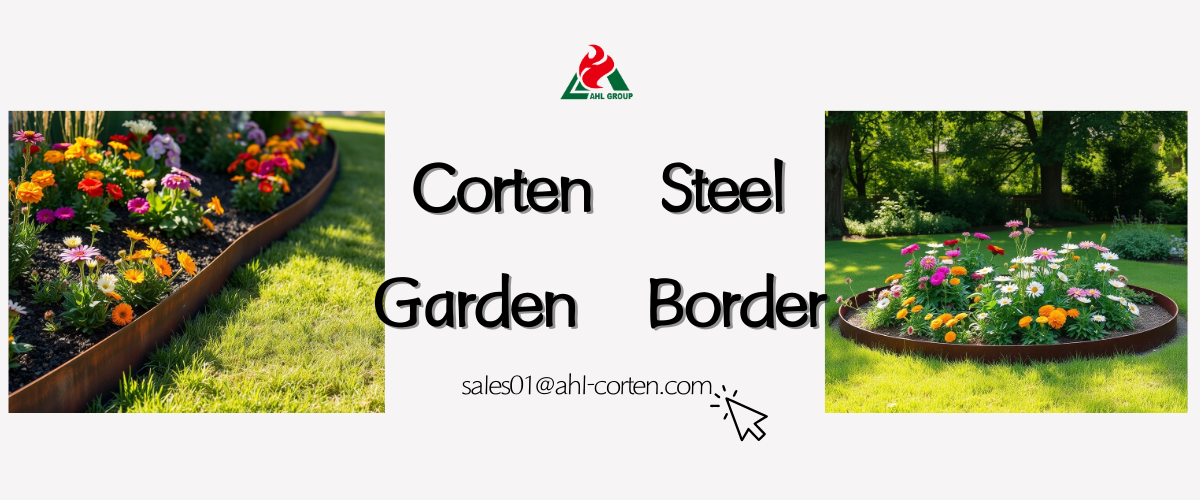
What NOT to Do: Maintenance Mistakes
To ensure the longevity of your AHL Group Corten garden edging, avoiding common pitfalls is as important as active care.
Avoid High-Pressure Washing and Abrasive Cleaners
Abrasive tools, such as wire brushes, embed foreign iron particles into the weathering steel surface, creating unsightly bright orange streaks that compromise the AHL Group's signature deep chocolate patina.
Never Paint, Seal, or Coat Weathering Steel
Sealing traps moisture on the metal surface, causing interlayer delamination and triggering corrosion from the inside out. AHL weathering steel is designed to maintain its breathing properties, allowing it to interact naturally with the atmosphere.
Avoid Using Strong Chemicals or Herbicides Nearby
Salt-based herbicides and high-chlorine fertilizers can damage the chemical bonding structure of the rust layer. For garden borders with weathering steel, opt for manual weeding or organic alternatives.
Addressing Specific Environmental Challenges
Environmental factors dictate how AHL Group's weathering steel matures. Adjusting your care strategy based on your local climate is essential.
Maintenance in Humid Climates
In tropical regions, ensure gardens have proper drainage systems. If garden edging remains submerged in standing water for extended periods, it will corrode like ordinary steel. Laying gravel trenches beneath AHL landscape edging promotes the necessary drying phase.
Maintenance in Arid or Desert Environments
In arid climates, the bronze patina may take several years to develop. Accelerate this process by periodically spraying the surface to simulate rainfall cycles, achieving a rustic horticultural effect more quickly.
Precautions for Coastal Salt Spray Environments
Salt spray is highly corrosive. If located within 5 kilometers of the sea, rinse the landscape edging with fresh water every few months to remove salt crystals that interfere with the stabilization of the rust layer.
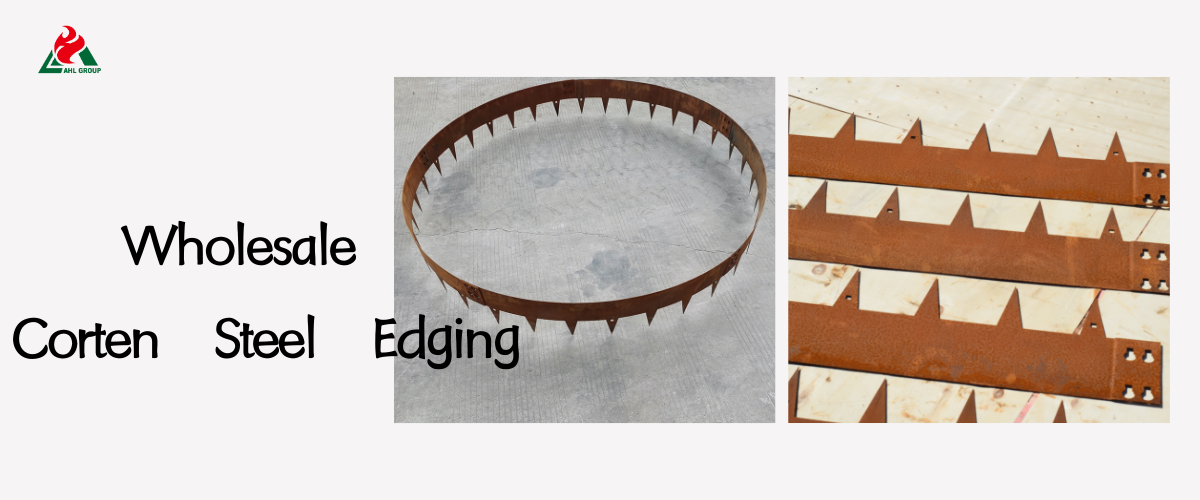
Repair and Restoration Guide
Even the toughest landscape edging can face unexpected damage.
Self-Repairing Minor Issues
Scratches caused by lawnmowers are common. Do not paint over them. The charm of weathering steel lies in its “self-healing” property—scratches will naturally rust over several weeks of exposure to rain, blending seamlessly into the surface.
Identifying Issues Requiring Professional Assistance
If you notice “severe flaking” (large pieces of rust layer peeling off), this indicates drainage issues. A landscaper may need to adjust soil permeability.
When to Replace Components
Thanks to AHL Group's modular design, if a component is damaged by vehicle impact, the affected section can be removed and replaced without disturbing other installed parts.
Proactive Care for Problem Prevention
Prevention is the highest form of maintenance for AHL Group garden products.
Strategic Landscaping Design for Reduced Maintenance
Install a 2-inch layer of decorative gravel along borders to create a “weed barrier,” preventing grass encroachment and minimizing mowing requirements.
Proper Installation is the Best Foundation for Low Maintenance
Ensure 50-60% of the Corten border depth is buried underground. This provides essential structural support, keeping lines straight without frequent seasonal adjustments.
.png)
Frequently Asked Questions About Corten Edging
Q: Can I Use a Lawn Mower Near Corten Steel Edging?
Yes, but avoid direct contact. Plastic cutting lines won't damage the steel but may scratch the rust patina, leaving silver marks that require time to re-oxidize.
Q: Will Lawn Fertilizer Damage the Rust Patina?
Concentrated granular fertilizers may cause temporary staining. Rinse the border after fertilizing to ensure no salt residue remains on the metal surface.
Q: How to Remove Weeds Growing Against the Border?
Manual removal works best. Since AHL borders function as root barriers, weeds growing against the metal typically have shallow roots and are easy to pull out.
Conclusion: Enhance Your Outdoor Space with Corten Edging
Corten metal edging from AHL Group represents a lifetime investment. By following these simple annual inspection steps and respecting the natural weathering cycle, you can ensure your garden borders maintain a sharp, sturdy, and refined appearance for decades. For optimal long-term results, always choose authentic weathering steel products from trusted manufacturers like AHL Group.

