


Welcome to the definitive guide on integrating Corten steel edging into landscape design. As the material of choice for residential and commercial landscaping projects, this versatile material transforms ordinary garden borders into striking, long-lasting landscape features. This guide thoroughly explores the core advantages of weathering steel, practical application scenarios, and professional installation techniques to help you create expert, enduring outdoor spaces. Whether you're a homeowner seeking to enhance your property's curb appeal or a landscape designer pursuing durable, sustainable materials, understanding weathering steel is the first step toward creating resilient and visually captivating gardens.
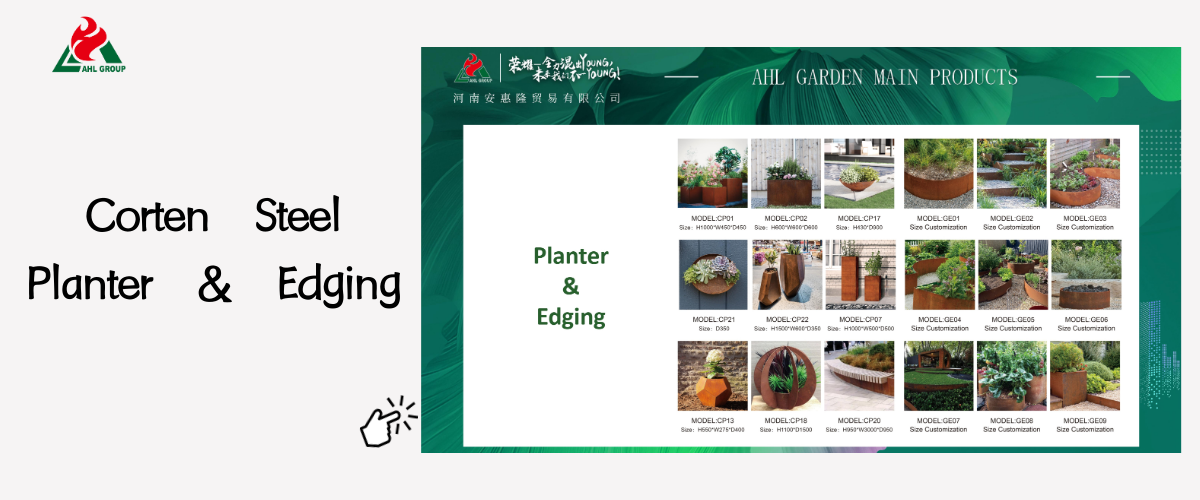
Introduction to Corten Steel in Landscaping
Corten steel, commonly known as weathering steel, has revolutionized modern hardscape and garden design. Once primarily used for building facades and public sculptures, this unique material has now found its perfect niche in residential and commercial landscaping. Corten steel landscape edging seamlessly blends raw industrial aesthetics with exceptional functional performance, creating clean, enduring boundaries while developing a distinctive aged beauty over time.
The Rise of Corten Steel in Landscape Design
As outdoor spaces evolve toward low-maintenance, sustainable, and visually striking designs, the use of weathering steel in landscaping is gaining widespread popularity. Designers and property owners are moving away from traditional plastic, wood, or concrete edging materials, instead seeking materials that combine structural integrity with natural beauty. Weathering steel perfectly meets this demand, serving as a modern garden border solution that complements contemporary design styles while seamlessly integrating into rustic, countryside themes.
Why Corten Steel Became a Landscape Design Favorite
Its unique properties drive widespread adoption. Unlike other metals with unpredictable corrosion processes, Corten steel develops a stable, self-preserving rust patina. This key characteristic makes it the top choice for landscape architects and DIY enthusiasts—enabling the creation of durable metal garden borders with minimal upkeep while making a bold design statement.
The Unique Properties of Corten Steel
Understanding the science behind Corten is key to appreciating its value in landscaping.
Self-Protective Patina
The defining characteristic of weathering steel lies in its self-protective patina. When exposed to the natural environment, the alloy components within the steel—including copper, chromium, and nickel—catalyze the formation of a dense, adherent oxide layer. This patina seals the surface, significantly delaying further corrosion. This process yields a deep, warm orange-brown hue that becomes increasingly uniform and stable after 1-3 weathering cycles, ultimately forming a natural rust finish that is both aesthetically pleasing and functional.
Exceptional Durability and Longevity
Weathering steel is renowned for its high tensile strength, offering superior strength and impact resistance compared to conventional edging materials. It will not rot, warp, crack, or splinter. It maintains extraordinary durability in extreme climates, from bitter winters to scorching summers, withstanding soil pressure, foot traffic, and mechanical impact without degradation.
Structural Strength and Integrity
The inherent structural integrity of weathering steel enables the creation of long, straight, seamless borders with minimal bending or warping. It is ideal for anchoring raised-bed planting soil, clearly defining pathways, and forming enduring, clean lines. It maintains its shape and function far longer than plastic or wood alternatives, enduring for decades without deterioration.
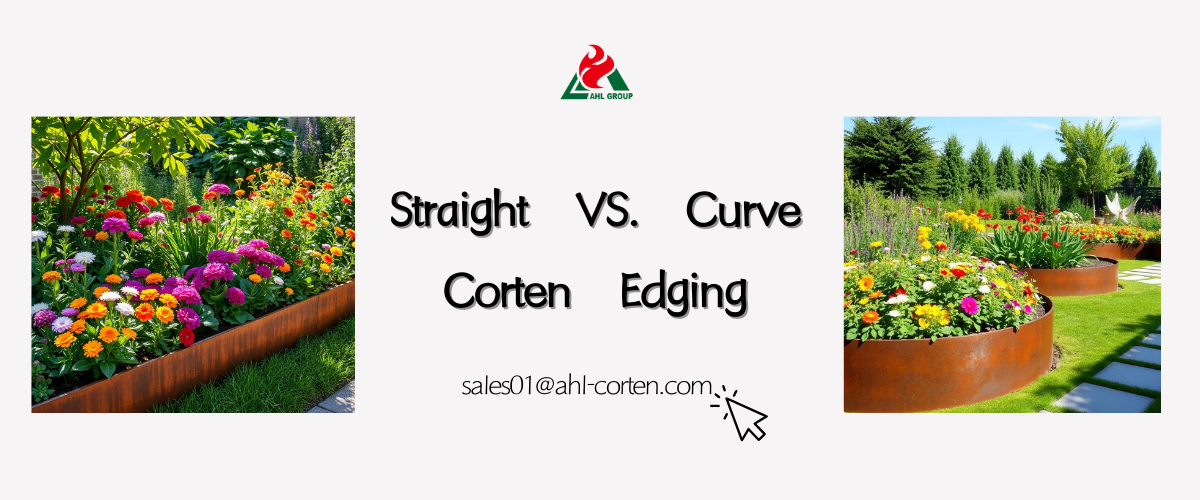
Comprehensive Benefits Overview of Corten Landscape Edging
Choosing Corten steel edging offers a multifaceted array of advantages for any landscaping project.
1. Long-Term Value and Investment Return
Although the initial cost may be higher than certain materials, weathering steel represents a cost-effective long-term investment for landscaping. Its century-long lifespan eliminates recurring replacement costs associated with wood (rot) or plastic (brittleness and fading).
Life-Cycle Cost Comparison with Alternative Materials
When calculating the lifetime value of metal garden edging, consider that weathering steel typically requires no maintenance and outlasts the property itself. Compared to replacing plastic edging every 5-10 years or regularly maintaining and replacing wood, weathering steel often delivers a lower total cost of ownership.
2. Design Flexibility
Weathering steel is a designer's dream material. It can be fabricated into virtually any form, granting designers complete creative freedom.
Custom Shapes, Dimensions, and Surface Finishes
Manufacturers offer customized Corten steel edging in straight lines, gentle curves, sharp angles, and even intricate laser-cut patterns. Specify plate thickness (typically 3-6 mm) and height to suit your project—from delicate 4-inch borders to 24-inch-high planter retaining walls.
3. Environmental Sustainability
In an era of eco-conscious design, weathering steel stands out as a sustainable landscaping material.
Recyclable Material & Natural Protection
Crafted from recycled steel, weathering steel is fully recyclable at the end of its exceptionally long service life. Its natural rust patina eliminates the need for paint, sealants, or chemical treatments—processes that can leach harmful substances into soil—making it a non-toxic garden edging solution.
4. Functional Performance
Beyond its aesthetic appeal, weathering steel also serves vital landscaping functions.
Weed Prevention and Soil Stabilization
When properly installed and fully anchored into the ground, weathering steel edging effectively blocks root systems and weeds, preventing lawn encroachment into flower beds or reverse spread from flower beds into lawns. Its rigid structure provides superior soil stabilization for raised beds, keeping mulch and soil neatly contained and firmly in place.
Applications in Residential Landscaping
Front Yard Landscape Enhancement
Use weathering steel to create striking front yard landscape contours. It can define driveway entrances, delineate geometric lawn areas, or add borders to native plant gardens. Its earthy tones create a stunning contrast against lush green lawns, gravel, and light-colored stone.
Backyard Garden Planning
In the backyard, weathering steel proves ideal for raised vegetable beds, winding paths through perennial borders, or defining water features and patios. Its clean, enduring lines effectively organize outdoor living spaces.
Commercial and Public Space Applications
Exceptional durability makes it an ideal choice for commercial landscaping projects, including park zoning, edging for public green spaces, botanical exhibition areas, and corporate campus landscaping—scenarios where low maintenance costs and premium aesthetics are paramount.
Getting Started with Corten Edging
Planning Your Border Project
First, use a garden hose to outline your desired border. Consider integrating Corten steel with hardscape like patios and walkways. Consult local regulations, especially regarding deep burial installations. Allow for initial rust runoff—orange rust water is temporary and will only stain porous surfaces like unsealed concrete.
Procure Quality Materials
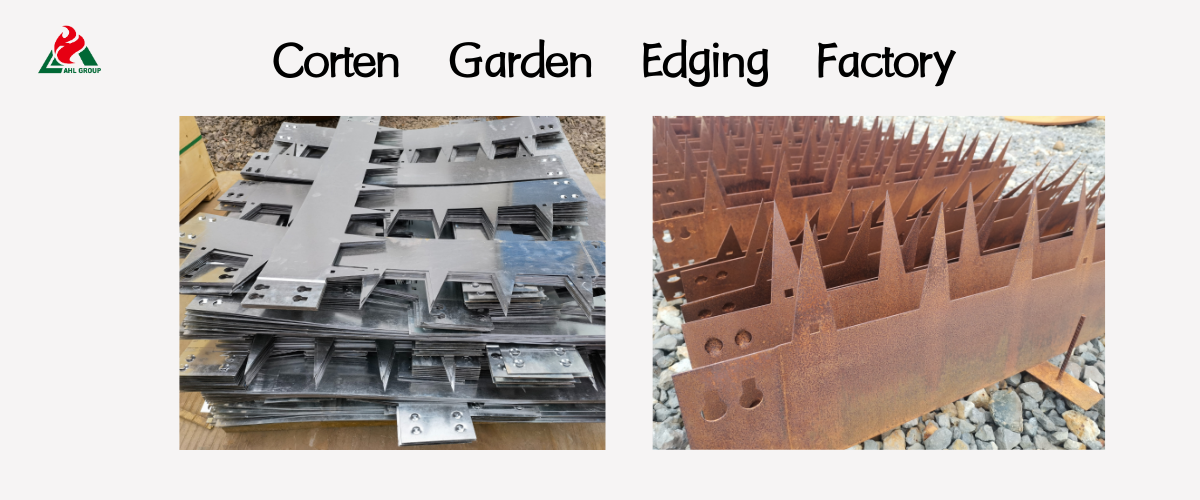
Purchase landscape-grade weathering steel compliant with A588 standards from professional suppliers. Ensure the material is authentic low-alloy weathering steel. For an immediate aged rust appearance, suppliers typically offer pre-oxidized (stabilized) treatment options.
Professional vs. DIY Installation
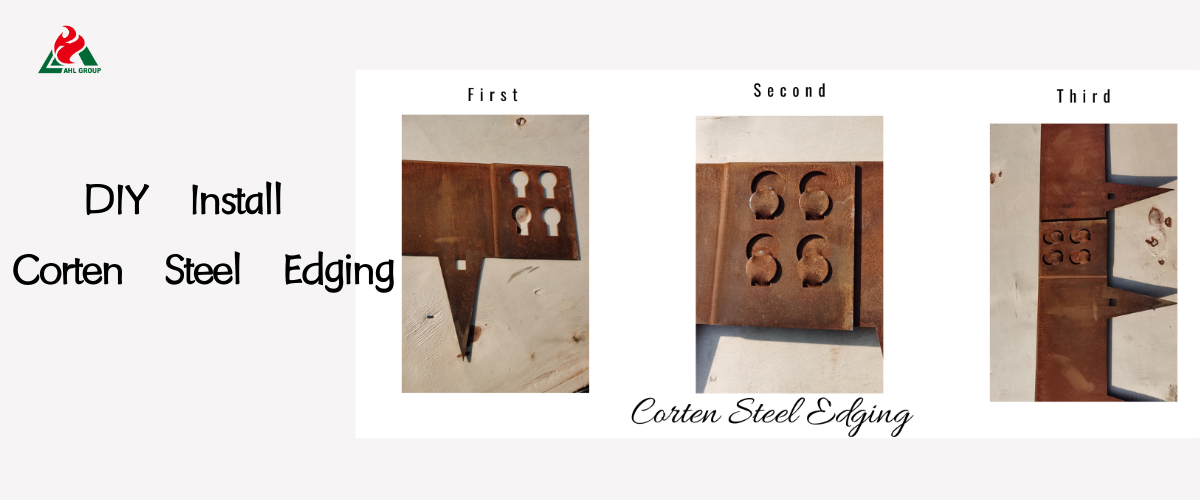
For simple linear projects, DIY installation of Corten steel borders is feasible. Steps include: excavating clean trenches, placing steel plates, securing with steel nails (usually included), and backfilling. However, for complex curves, raised planters, or large-scale installations, hiring landscape professionals ensures precise alignment, secure anchoring, and proper material handling.
Frequently Asked Questions About Corten Edging
Q: How Long Will Corten Steel Edging Last?
When properly installed, weathering steel edging can last 50 to 100 years or longer. Its exceptional durability is a key selling point, making it a permanent landscaping element.
Q: Will Rust Spread to Surrounding Surfaces?
During initial rainfall, temporary runoff from the weathering steel's developing oxide layer may stain very light-colored stone or unsealed concrete. This can be addressed by rinsing affected areas or selecting pre-oxidized steel. The rust layer itself is stable and will not transfer to plants or soil.
Q: Can It Be Used for Retaining Walls?
Absolutely. Weathering steel is particularly well-suited for constructing low metal retaining walls. For wall heights exceeding 18-24 inches, professional engineering design, deeper foundations, and potential cable bracing are required. When used as a cladding material in composite retaining wall systems, it creates a striking modern visual effect.
Conclusion: Define Your Garden with Corten Steel Edging
Corten landscape edging is more than a simple boundary—it's a long-term investment in the aesthetics, structure, and sustainability of your outdoor space. Its uniquely weathered beauty, exceptional durability, design flexibility, and eco-friendly credentials make it the preferred choice for discerning homeowners and professionals alike. Choosing weathering steel means selecting a material that ages gracefully over time—requiring minimal maintenance while delivering maximum visual impact and practical functionality for generations to come.

