


Choosing the ideal installation location for a Corten steel barbecue grill is crucial, as it requires a balanced consideration of aesthetics, safety measures, and the convenience of daily maintenance. Corten steel grills are not only durable but also visually striking; however, improper installation can lead to surface damage, a shorter lifespan, and even potential safety hazards. In this guide, we will provide detailed information on the best installation surfaces, safety clearances, structural considerations, and practical recommendations for various outdoor environments to ensure your weathering steel grill remains both attractive and safe for years to come.
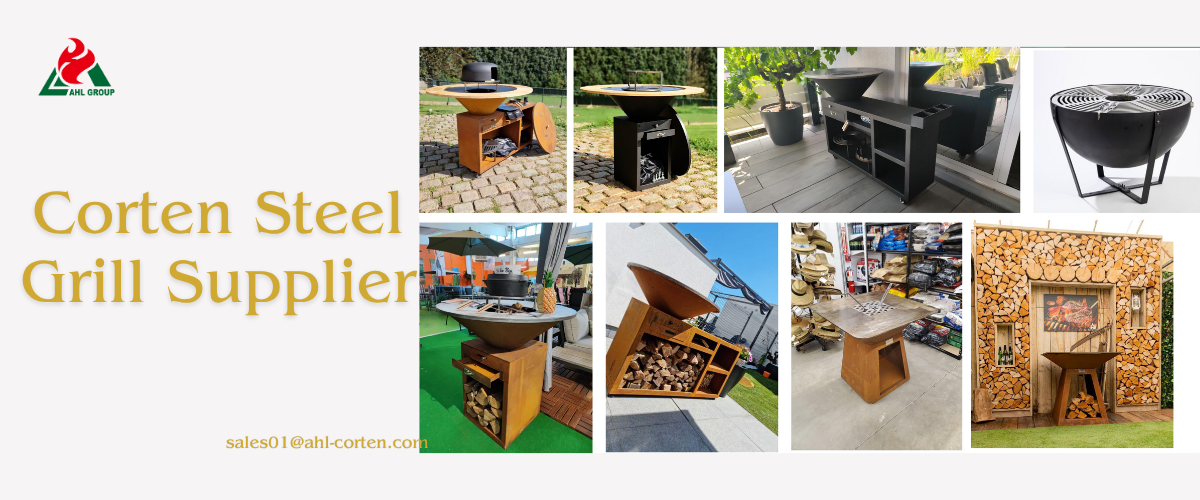
1. Introduction: Why Placement Matters for Your Corten Steel Grill
The Unique Characteristics of Weathering Steel (Corten Steel)
Weathering steel, also known as Corten steel, is renowned for its distinctive rust patina, which forms naturally over time and protects the metal from corrosion. Unlike ordinary steel, this patina not only lends the material a rustic yet modern aesthetic but also acts as a protective barrier, making weathering steel an ideal choice for outdoor applications. However, as rust forms, rust water may be produced, which could stain certain surfaces if preventive measures are not taken. Understanding this unique characteristic is crucial before setting up a charcoal grill.
Balancing Outdoor Aesthetics with Practical Safety
While a Corten steel grill is an excellent addition to any patio or garden, balancing aesthetics with safety is equally important. Proper placement ensures:
► Protection of surfaces from high temperatures and rust stains
► Sufficient distance from flammable structures and materials
► Unobstructed airflow for complete combustion and smoke dispersion
► Stable, level placement to prevent tipping
By carefully considering the placement, you can enhance the visual appeal of your outdoor cooking area while ensuring its safe use.
This Guide Covers: Optimal Surfaces and Safety Clearances
This article provides the following guidance:
► Selecting safe and suitable paving surfaces for Corten BBQ grills
► Maintaining appropriate safety distances from buildings, trees, and other hazards
► Key structural design considerations for large, heavy-duty weathering steel grills
► Recommendations for various outdoor settings, from compact urban patios to spacious backyards
► Common mistakes to avoid to ensure the longevity and safety of your grill
2. Selecting the Best Ground Surface for Corten Steel
“Rust Stains”: Understanding Potential Staining Issues
As weathering steel develops a rust patina, rainwater runoff may carry tiny particles of iron oxide, leaving rust-colored stains on surrounding surfaces. Choosing the right paving material can minimize or prevent these unsightly stains, ensuring your barbecue area always looks its best.
Top Recommended Paving Materials
► Gravel, Crushed Stone, and Decorative Pebbles: These permeable surfaces naturally absorb rainwater, preventing stains and providing excellent drainage. Their texture not only enhances the stability of the barbecue grill but also complements the aesthetics of a natural garden.
► Concrete Pavers and Dark Natural Stone: Concrete or dark natural stone is an ideal choice because stains are less visible on these surfaces, and they provide a level, heat-resistant base for the BBQ grill. They are easy to clean and maintain, making them a durable option.
► Specialized Grill Mats and Protective Pads: For sensitive surfaces such as tiles or patios, grill mats or protective pads can prevent rust stains and heat damage. These accessories are essential when placing a weathering steel grill on materials that are prone to damage.
Surfaces to Avoid (or Use with Caution)
► Light-colored, Porous Pavers and Tiles: Light-colored surfaces will clearly show rust stains. While some homeowners use mats or sealants, these surfaces still require extra care during the early stages of rust formation.
► Wooden and Composite Decks: The heat emitted by the outdoor grill can damage wooden and composite surfaces, and rust runoff can cause the boards to discolor. If placing a weathering steel grill on a deck, be sure to use a heat-resistant mat or base.
► Natural and Trimmed Lawns: While lawns can absorb moisture, they are prone to scorching from radiant heat, and repeatedly placing a BBQ grill on them may cause damage. It is recommended to use a platform paved with gravel or stones as a protective barrier.
3. Essential Safety Clearances and Distances
Safety Distances from Buildings and Flammable Materials
Keep a minimum distance of 36 inches (90 cm) between the barbecue grill and any walls, siding, or flammable materials. This distance helps prevent heat damage and reduces the risk of fire.
Clearance Above: Trees, Pergolas, and Low-Slung Roofs
Ensure a minimum clearance of 10 feet (3 meters) from trees, pergolas, or overhanging structures. This prevents flying embers and smoke buildup while maintaining safe airflow.
Wind Direction: Controlling Smoke and Embers
When placing the grill, consider prevailing wind patterns to prevent smoke from blowing toward dining areas, neighbors, or flammable materials. A well-chosen location improves both the grill’s efficiency and your comfort while using it.
4. Structural Considerations for Large Corten Grills
Weight Distribution: Ensure the Base Is Level and Secure
Large Corten outdoor grills are typically heavy and have a high center of gravity. Ensure the base is level and reinforced to prevent tipping. A gravel bed or concrete slab is ideal for distributing the weight.
Prevent Sinking or Tilting on Soft Ground
Soft soil can cause the grill to tilt or sink over time, potentially compromising safety. Use compacted gravel, concrete slabs, or adjustable pedestals to stabilize large grills.
Drainage Requirements to Prevent Water Pooling
Avoid placing the grill in low-lying areas prone to water pooling, as this accelerates rusting and damages surrounding surfaces. Proper ground slope or drainage channels ensure water flows away from the base.
5. Protecting Your Outdoor Space from Heat and Rust
How to Prevent Radiant Heat Damage to Surfaces
Corten steel BBQ grills generate intense radiant heat. Use mats, stone bases, or specialized heat shields to protect patio floors, pavers, or other vulnerable surfaces.
Managing the Rusting Process: Initial Drainage Tips
During the first few months, rinse the surrounding area after every rain or whenever condensation forms on the grill surface. Addressing drainage issues early can help prevent stains on pavers or stone surfaces.
Use Protective Trays or Bases
Elevating the grill with trays or bases prevents direct contact with the ground, which aids both heat dissipation and drainage management.

6. Placement Tips for Different Outdoor Settings
Urban Balconies and Compact Patios
Choose a compact, Corten charcoal grill equipped with a heating pad, and ensure there is sufficient safety clearance between the grill, railings, walls, and neighboring properties. Prioritize airflow and ventilation to prevent smoke buildup.
Spacious Backyard Patios and Hardscaping
For larger patios, create a dedicated grilling area using stone or concrete flooring. Consider seating arrangements, walkways, and visual integration with the landscape design.
Rustic Gardens and Outdoor Fire Pit Areas
In a rustic setting, place a large grill on a gravel or crushed stone base to blend naturally with garden paths, flower beds, and natural fire pit areas.
7. Common Placement Mistakes to Avoid
Placing the Grill Directly Against Vinyl Siding or Glass
High temperatures may damage the siding or melt the glass seals. Be sure to maintain a safe distance and consider installing a barrier or protective shield.
Ignoring Local Fire Codes and Homeowners Association Rules
Local regulations may restrict the placement of grills, require safety distances, or specify fuel types. Check relevant regulations before installation to avoid fines or safety hazards.
Ignoring Convenience and the “Chef’s Work Area”
Ensure the BBQ’s placement allows for a food preparation area, storage space for tools, and sufficient room to move around the grill, thereby ensuring a safe and enjoyable cooking experience.
8. Quick Checklist: Pre-Placement Inspection
Surface Stability and Heat Resistance
► A smooth and sturdy surface
► Heat-resistant materials or mats
► Sufficient load-bearing capacity
Ventilation and Airflow Assessment
► Unobstructed airflow
► Avoid confined spaces
► Consider prevailing wind directions
Proximity to Outdoor Dining and Seating Areas
► Manage smoke for guests
► Easy access to tables and service areas
► Avoid overcrowding
Conclusion: Creating a Safe and Stylish BBQ Area
By following these placement guidelines, you can ensure your barbecue grill remains safe, functional, and visually appealing for years to come. This not only reduces maintenance and protects your garden but also adds to the enjoyment of your outdoor gatherings.
Discover AHL Corten steel grills, designed to combine durability, safety, and style. When properly installed, these Corten grills not only deliver long-lasting performance but also add a unique charm to any outdoor space with their distinctive rusted texture.

