


Outdoor cooking has long transcended simple charcoal grills and stainless steel barbecue stations. Today, homeowners and landscape designers increasingly opt for Corten steel grills, valued for their durability, aesthetic appeal, and exceptional performance. With its warm rusted texture and unparalleled weather resistance, Corten steel has become the material of choice for modern outdoor kitchens and courtyard fire pits. Before delving into the principles and importance of seasoning, we must first grasp the unique characteristics of this material. Understanding the fundamentals of weathering steel will help you appreciate why it behaves so differently from traditional grilling materials.
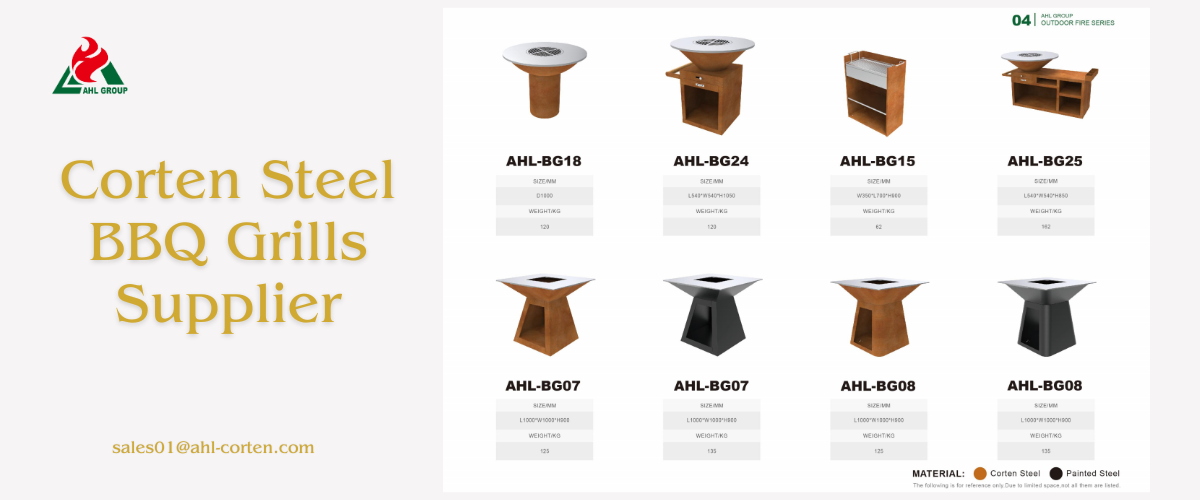
1. Understanding Corten Steel Grills
Corten steel develops a protective rust layer in outdoor environments. Unlike ordinary steel that gradually deteriorates over time, this controlled oxidation process forms a stable rust patina that shields the underlying metal from further corrosion. This property makes Corten steel widely used in architectural structures and landscape design, and increasingly popular for high-end outdoor grills and fire pits. Its ability to maintain structural integrity in harsh weather makes it an ideal choice for year-round outdoor cooking equipment. Understanding how this material functions is the first step toward properly maintaining your BBQ grill and achieving its optimal performance.
What Is Corten Steel and Why Is It Popular for Outdoor Grills
If you've explored modern outdoor kitchen or landscape design trends, you've likely noticed the distinctive rust-brown surface of Corten steel grills. Also known as Corten steel, this material has become one of the most popular metals for outdoor garden products, widely used in fire pits, planters, and barbecue grills. But what makes it so special?
Through specialized processing, weathering steel develops a natural glaze called a “rust protective layer” when exposed to the elements. Unlike ordinary steel that corrodes continuously, weathering steel forms a stable surface layer that slows further rusting. This unique property allows outdoor products to maintain structural integrity while showcasing the rugged industrial aesthetic favored by designers. Industry data indicates that premium weathering steel grills can last over 20 years—far exceeding the typical 3-5 year lifespan of standard steel grills.
Beyond durability, Corten steel BBQ grills offer exceptional aesthetic appeal. Their naturally weathered surfaces blend seamlessly into outdoor landscapes—whether modern backyard patios or natural garden settings. The grill appears to merge with its surroundings, evolving with the changing seasons.
For manufacturers and outdoor cooking enthusiasts alike, weathering steel offers an exceptional combination of extended lifespan, minimal maintenance requirements, and striking visual appeal. Yet a crucial question often arises after purchase: Is it necessary to season a Corten steel grill before its first use?
How Weathering Steel Forms a Natural Protective Patina
To understand whether seasoning is necessary, one must first grasp the characteristics of weathering steel in outdoor environments. When exposed to air and moisture, the metal forms a controlled layer of oxidation that shields the underlying steel from further corrosion. This natural barrier eliminates the need for paint or chemical coatings, making weathering steel both environmentally friendly and exceptionally durable.
The formation of this rust layer typically takes weeks to months, depending on climatic conditions. Rain, humidity, and sunlight accelerate the development of this beautiful reddish-brown appearance. Unlike the rust-resistant philosophy of traditional steel products, weathering steel actively embraces corrosion—transforming oxidation into protection.
However, it's crucial to distinguish between the characteristics of the grill's exterior casing and its cooking surfaces. While the casing of a weathering steel grill benefits from this weathering process, the food-contact cooking grates behave differently. Food oils, moisture, and high temperatures affect this surface, making seasoning essential.
Think of it this way: the grill body is like a rugged outdoor jacket that withstands wind and rain, while the cooking grate is more like a cast iron pan—requiring pre-treatment before use. This pre-treatment, called seasoning, plays a crucial role in cooking performance.
2. Does a Corten Grill Really Need Seasoning?
The Difference Between Seasoning the Grill Body vs. Cooking Surface
One of the biggest misconceptions about Corten steel barbecue grills is that the entire grill requires fire seasoning. In reality, the main body of the grill requires no seasoning whatsoever. Its naturally formed protective rust layer does not affect grilling performance.
However, the grill grates are a different story. Whether made of carbon steel, stainless steel, or treated weathering steel, grates come into direct contact with food, grease, and high temperatures. Without seasoning, food tends to stick, and prolonged exposure to moisture can lead to corrosion.
Industry guidelines recommend seasoning the grill before first use: Clean it, coat it with oil, then heat it at high temperatures to form a protective layer. This process creates a thin polymerized oil film, forming a natural non-stick surface.
In simple terms:
| Component |
Needs Seasoning? | Reason |
| Grill body |
No | Natural weathering patina protects it |
| Cooking grate |
Yes | Prevents sticking and protects metal |
| Cooking plate |
Yes | Improves cooking performance |
Understanding this difference is crucial because many new grill owners mistakenly try to season the entire grill body, which isn’t necessary.
Why Seasoning Improves Cooking Performance and Food Safety
Seasoning isn't just a tradition passed down by backyard barbecue masters—it's actually a process with scientific merit. When oil heats on a metal surface, a polymerization reaction occurs, forming a hardened film that bonds with the metal.
This protective coating serves multiple vital functions:
► Reduces food sticking
► Prevents metal corrosion
► Enhances flavor development
► Simplifies cleaning
Cooking on untreated bare steel surfaces yields a poor experience. Foods like fish, burgers, or vegetables easily stick to the grill and tear when flipped. That's why seasoned grill masters often say seasoning is the secret to a smooth grilling experience.
Safety is another key benefit. The initial seasoning process removes residual oils, metal particles, or manufacturing residues. When properly maintained, the cooking surface becomes stable and food-safe, ensuring no harmful substances contaminate your food.
.png)
3. Benefits of Seasoning a Corten Steel Grill
Preventing Food from Sticking
Anyone who's ever grilled knows the frustration of food sticking to the grill. Imagine flipping a perfectly marinated steak only to watch half of it cling to the grates. That's where proper grill maintenance comes to the rescue.
The polymerized oil layer formed during seasoning creates a natural non-stick barrier between food and metal. Proteins release effortlessly from the grate surface after thorough cooking, rather than adhering to it. This makes flipping and serving significantly easier.
Seasoning also creates those beautiful grill marks everyone loves. When the grill surface is evenly coated with oil and properly preheated, it promotes even browning and caramelization of food. In a way, seasoning your grill is like an advanced version of seasoning a cast-iron skillet—the more you use it, the better it performs.
Enhancing Heat Distribution and Flavor
Seasoning not only prevents sticking but also enhances cooking performance. The oil layer helps distribute heat evenly across the cooking surface, preventing hot spots that cause food to burn.
Over time, the seasoning layer develops a flavor profile akin to a well-seasoned pan. Each cooking session adds a trace of oil and smoky notes, strengthening the protective layer. The resulting barbecue grill surface naturally elevates the flavor of grilled foods.
Many professional chefs even liken seasoned grills to “flavor memory surfaces”—where subtle aromas from previous cooks accumulate, ultimately delivering richer, more complex grilling results.
Extending the Lifespan of the Grill Grate
Despite the exceptional durability of weathering steel, the outdoor grill surface still requires protection. Prolonged exposure to moisture, acidic marinades, and salt can gradually corrode exposed metal surfaces.
The protective layer acts as a shield, preventing direct contact between the metal and corrosive substances. Regular oiling replenishes this protective coating, keeping the grill performing like new for years.
Considering that a high-quality Corten steel outdoor grill can last twenty years or more, proper maintenance of the cooking surface—though a minor effort—pays off with extended longevity.
4. Step-by-Step Guide to Seasoning a Corten Grill
Step 1 – Clean the Grill Thoroughly
Before beginning the seasoning process, the durable grill must be thoroughly cleaned. Manufacturers often apply protective oil during shipping to prevent rust; these residues must be removed with warm water and mild soap before first use.
Cleaning ensures the seasoning oil adheres directly to the metal surface rather than trapping impurities beneath it.
Step 2 – Dry the Surface Completely
Moisture is the enemy of quality seasoning. After cleaning the grill, thoroughly dry it with a cloth or place it over low heat for several minutes.
Even a small amount of moisture can damage the oil coating, leading to uneven seasoning.
Step 3 – Apply High Smoke-Point Oil
Using a paper towel or cloth, apply a thin, even layer of oil to the entire cooking surface. Good options include:
► Grapeseed oil
► Avocado oil
► Canola oil
► Flaxseed oil
The key is high smoke-point oils, which can withstand the intense heat required for seasoning.
Step 4 – Heat the Grill to Polymerize the Oil
Next, preheat the BBQ grill to approximately 200–230°C (400–450°F) and maintain this temperature for about one hour.
During this process, the fat bonds with the metal, forming a non-stick protective layer.
Step 5 – Cool Down and Repeat if Necessary
After heating, allow the grill to cool naturally. If the surface still appears uneven, repeat this process one or two times until a uniform dark layer forms.
Over time, each cooking session will further enhance this seasoning layer.
5. Best Oils for Seasoning a Corten Grill
Top Recommended Cooking Oils
Choosing the right oil matters more than many people realize. High smoke-point oils work best because they can withstand intense grilling temperatures without breaking down.
| Oil |
Smoke Point | Benefits |
| Avocado Oil |
~270°C | Extremely heat resistant |
| Grapeseed Oil |
~215°C | Neutral flavor |
| Canola Oil |
~205°C | Affordable and effective |
| Flaxseed Oil |
~225°C | Forms strong polymer layer |
Oils You Should Avoid
Some oils break down too quickly under high heat, leaving sticky residues instead of protective layers.
Avoid using:
► Butter
► Olive oil (extra virgin)
► Low-temperature vegetable oils
These oils may burn before the seasoning process completes.
6. Maintenance After Seasoning
Daily Cleaning Routine
After each barbecue session, allow the outdoor grill to cool slightly before cleaning. Use a wire brush to remove food residue, then wipe the surface with a small amount of cooking oil.
This quick maintenance step helps preserve the grill's seasoning layer and prevents rust.
When to Re-Season Your Grill
There is no need to re-season the grill after each use, but re-seasoning is required when any of the following occurs:
► Food begins to stick
► The surface appears dry or dull
► Rust spots appear
In most cases, re-seasoning the grill after every few uses will ensure it maintains optimal performance.
Long-Term Storage and Protection Tips
If your grill won’t be used for an extended period:
► Clean and oil the cooking surface
► Cover the grill with a weatherproof cover
► Store it in a dry area if possible
These steps help protect both the seasoning layer and the grill structure.
7. Common Mistakes When Seasoning a Corten Grill
Even seasoned barbecue enthusiasts can make mistakes when maintaining their Corten grills. The most common errors include applying too much oil, skipping cleaning steps, or insufficient preheating time.
Another major misconception is using harsh chemical cleaners. Strong detergents strip away the protective seasoning layer on the grill surface, forcing you to restart the seasoning process.
The secret to preserving this protective layer is surprisingly simple: cook regularly, clean gently, and re-oil as needed.
8. Why Corten Steel BBQ Grills Are a Long-Term Outdoor Investment
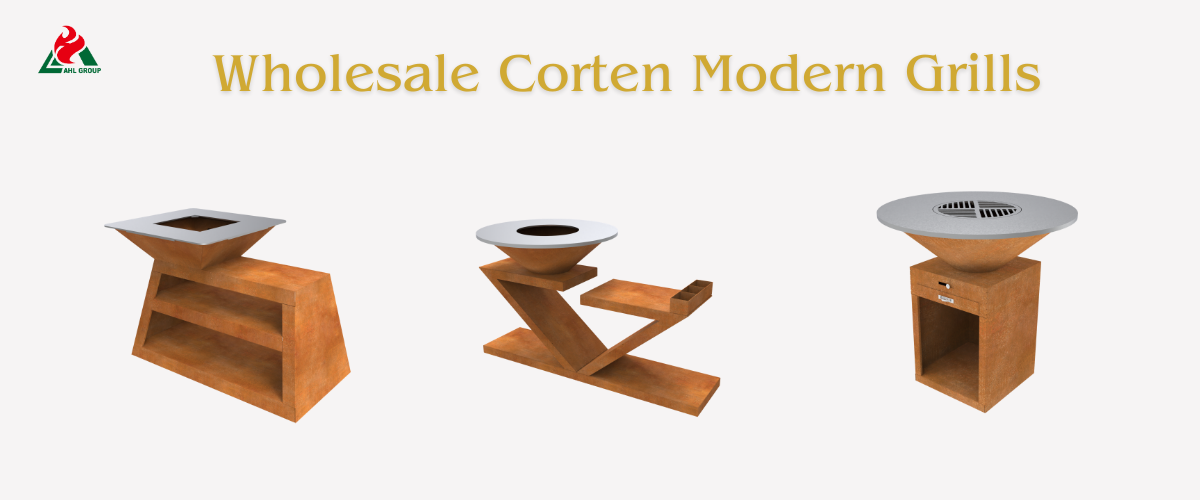
Beyond its seasoning capabilities, the greatest advantage of a Corten steel modern grill lies in its durability. Unlike traditional grills requiring repeated painting or rust removal, Corten steel forms a protective layer through natural oxidation.
High-quality weathering steel grills can last 20 years or more with minimal maintenance. This enduring resilience makes them a popular choice for outdoor kitchens, garden landscapes, and luxury patio designs.
Combined with their distinctive rusted appearance, these grills serve not only as cooking tools but also as artistic statements showcasing design concepts.
Conclusion: Fire Up Your Backyard Gatherings with a Corten Steel BBQ Grill
So, does a Corten steel grill require seasoning? The short answer is Yes—but only for the cooking surface. The grill body will naturally develop a protective rust layer requiring almost no maintenance, while the grill grates benefit significantly from seasoning.
By cleaning the surface, coating it with high-smoke-point cooking oil, and properly preheating the grill, you can create a durable non-stick coating that enhances cooking performance and extends the grill's lifespan.
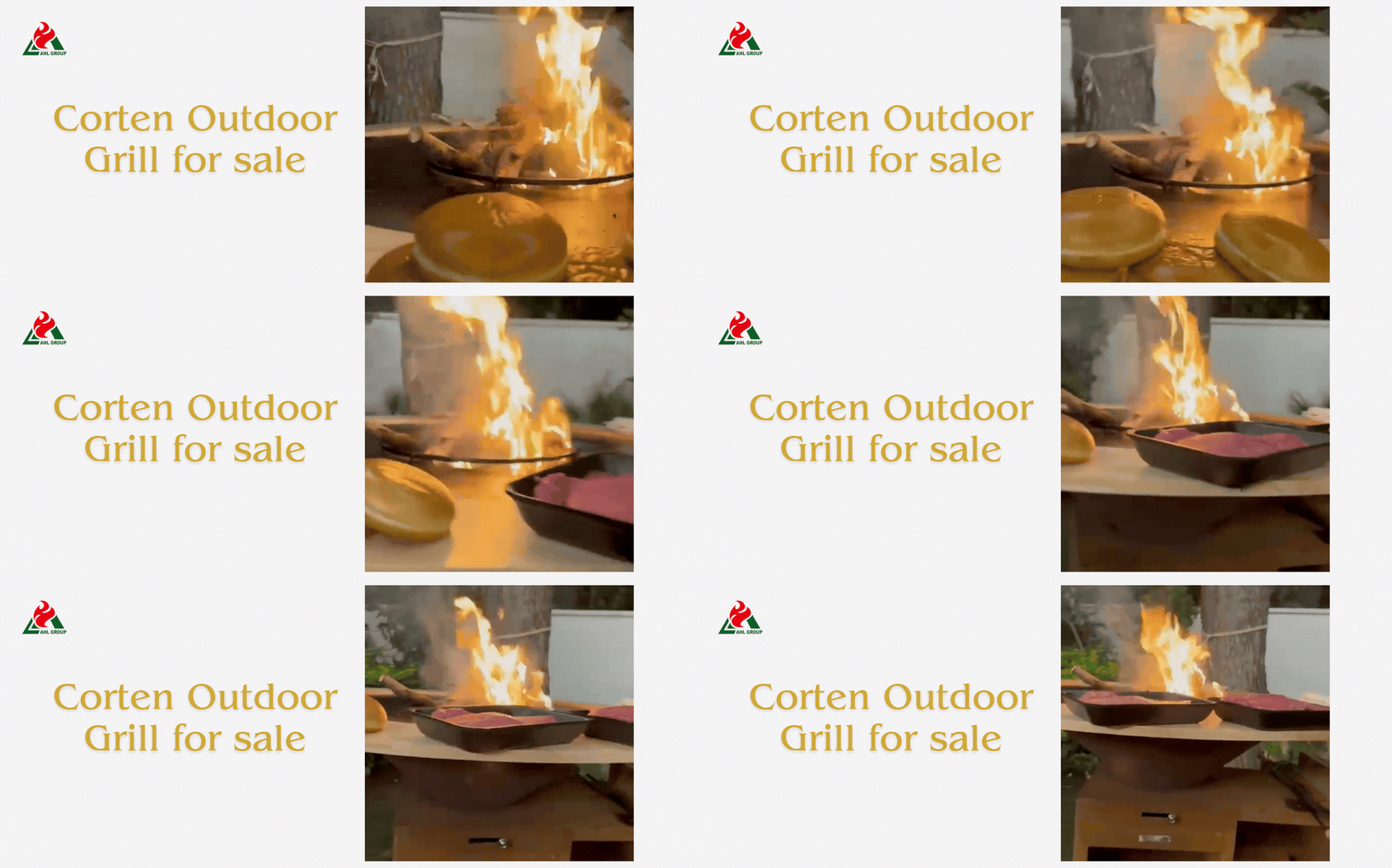
Though seemingly minor, this care transforms a new grill into a reliable cooking companion. With proper maintenance, your Corten outdoor grill will not only deliver stunning grilling results but also become a timeless focal point in your outdoor space for decades to come.
FAQs About Corten Grills
Q: 1. Do I Need to Season My Corten Steel Grill Every Time Before Cooking?
No. Initial seasoning is crucial. After that, simply apply a light coat of oil after each use. Re-season occasionally when food starts sticking.
Q: 2. Is it Safe to Cook Directly on Weathering Steel?
Yes. Once properly seasoned, the cooking surface provides a safe and stable platform for grilling food.
Q: 3. Will Rain Damage a Weathering Steel Grill?
Minimal impact. Weathering steel is engineered for outdoor environments, though covering the grill helps protect the cooking surface.
Q: 4. How Long Does the Non-Stick Coating Last?
With proper maintenance, the non-stick coating lasts through several cooking cycles. Reapply when needed.
Q: 5. Does the Non-Stick Treatment Change the Grill's Appearance?
It primarily darkens the cooking surface slightly, while the exterior weathering steel continues to develop its natural rust patina.

