


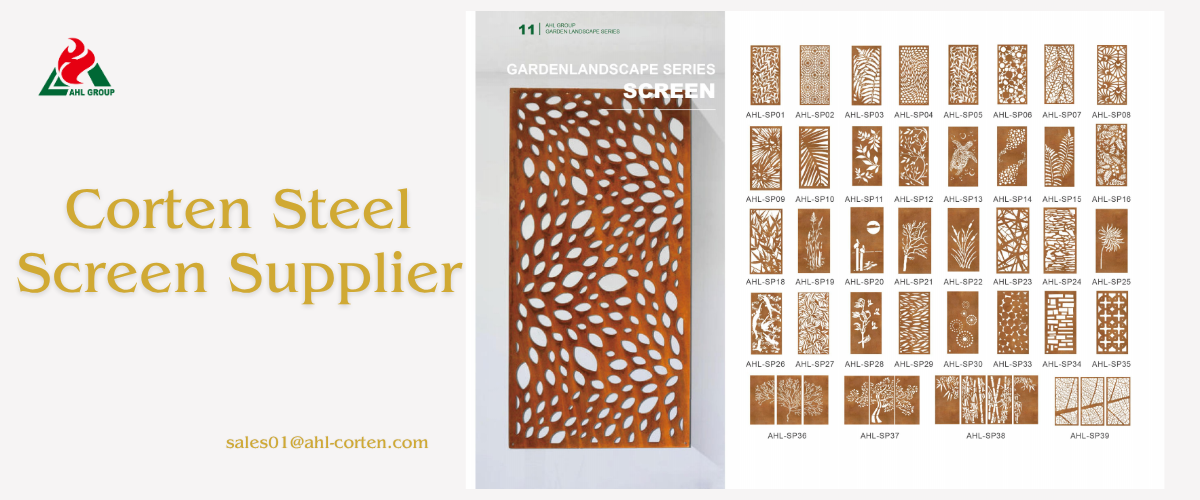
Weathering steel (also known as Corten steel) has become a popular choice for modern landscape design, architectural facades, and garden privacy screens. Its unique rust patina, combined with its long-lasting durability, makes it an ideal material for outdoor screens. Unlike ordinary steel, weathering steel forms a self-protective oxide layer that not only prevents further corrosion but also creates a rich, textured visual effect.
Although it requires minimal maintenance, proper installation, care, and ongoing upkeep are still necessary to ensure a service life of 50 years or more. Improper handling can lead to uneven rust distribution, rust runoff, structural instability, and a decline in aesthetic appeal.
This guide provides a step-by-step guide to the repair and maintenance of Corten screens, covering surface care, rust management, structural adjustments, environmental considerations, and maintenance measures tailored to different climates. Whether you are a property owner, landscape architect, or architect, this guide will ensure your screen panels remain safe, durable, and visually striking for decades to come.
Although it requires minimal maintenance, proper installation, care, and ongoing upkeep are still necessary to ensure a service life of 50 years or more. Improper handling can lead to uneven rust distribution, rust runoff, structural instability, and a decline in aesthetic appeal.
This guide provides a step-by-step guide to the repair and maintenance of Corten screens, covering surface care, rust management, structural adjustments, environmental considerations, and maintenance measures tailored to different climates. Whether you are a property owner, landscape architect, or architect, this guide will ensure your screen panels remain safe, durable, and visually striking for decades to come.
1. Introduction: The Longevity of Weathering Steel Screens
Understanding the Self-Protective Properties of Weathering Steel
Weathering steel is designed to form a stable rust layer that naturally protects the underlying metal from further corrosion. When exposed to rain, humidity, and oxygen, the metal forms a dense, protective oxide layer. Unlike painted steel, which is prone to peeling or fading, the rust layer on weathering steel evolves naturally, giving each screen a unique industrial aesthetic.
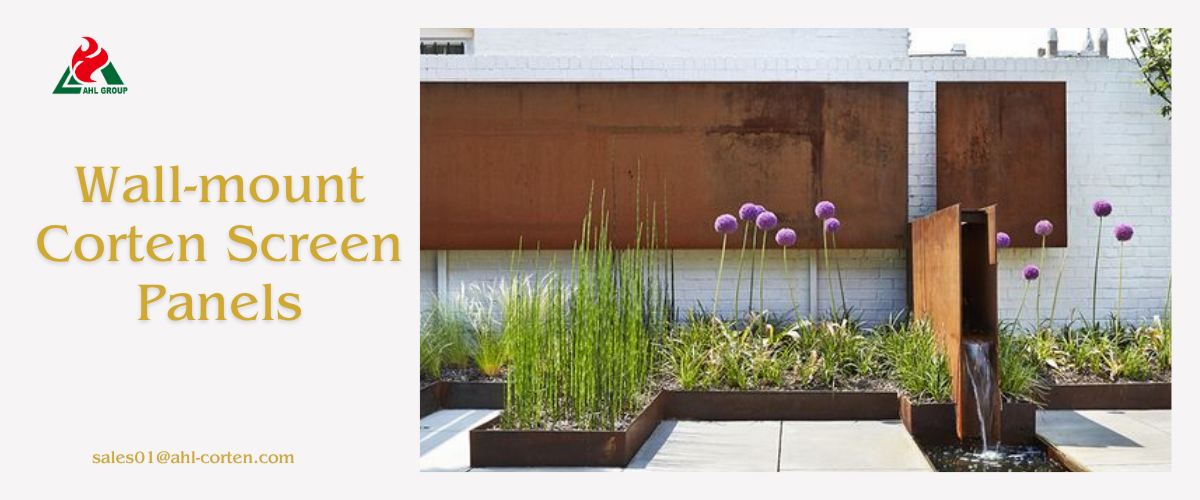
This natural protective layer makes weathering steel particularly suitable for outdoor applications, including fences, garden screens, and urban balconies. However, initial exposure to heavy rain or surface runoff may transfer iron oxide to nearby surfaces, which, if not properly managed, can cause staining. Proper installation, spacing, and ventilation design are crucial for ensuring a uniform, high-quality surface finish.
Why Regular Maintenance Is Key to Achieving a High-Quality Rust Finish
Although weathering steel requires minimal maintenance, regular upkeep is still essential to:
► Promote the uniform formation of the rust layer
► Prevent localized corrosion and rust stains on decks, pavers, or walls
► Address minor scratches, dents, or graffiti before they affect durability
► Ensure structural integrity, particularly in high-wind or coastal environments
Without maintenance, minor issues can escalate into costly problems that compromise both appearance and safety.
2. Common Issues with Corten Screens (Identifying the Problems)
Uneven Rust Formation and a “Mottled” Appearance
Uneven rusting is common when certain areas of the garden screen are shielded from rain or airflow. Shaded areas under trees, pergolas, or building eaves may result in a mottled appearance. Early detection allows for corrective measures, such as localized pre-weathering or water spraying, to ensure uniform rust formation across the entire panel.
Surface Scratches, Dents, and Physical Damage
Weathering steel may develop scratches and dents during transportation, installation, or accidental impacts. While minor scratches will naturally weather over time, the oxidation process for deep scratches may differ, resulting in visual inconsistencies. Sanding and refinishing these areas ensures they blend seamlessly with the surrounding panels.
Rust Runoff and Staining of Surrounding Structures
As the rust layer forms, runoff from iron oxide may stain concrete, stone, wood, or deck surfaces. Areas with high foot traffic or high humidity are particularly susceptible. Preventive measures include:
► Installing gravel borders or drainage channels
► Using spacers or shims to separate panels from light-colored surfaces
► Regularly cleaning areas prone to rust runoff
Structural Issues: Loose Fasteners and Unstable Posts
Due to thermal expansion, wind loads, or moisture, fasteners may loosen over time. Panel misalignment or unstable posts not only compromise aesthetics but also pose safety hazards. Regular inspection and tightening of fasteners, combined with a sturdy post foundation, are critical to ensuring long-term durability.
3. How to Fix Surface Imperfections on Corten Screens
Step 1: Remove Surface Impurities and Contaminants
► Use a soft-bristle brush or low-pressure water jet to remove dirt, dust, and organic impurities.
► Avoid using corrosive chemicals or high-pressure water jets, as these may strip away the protective rust layer.
► Ensure that all corners and edges—areas prone to moisture and dirt buildup—are thoroughly cleaned.
Step 2: Remove Deep Scratches or Undesirable Marks
► Techniques for Sanding and Transition Treatment of Weathering Steel
► Use fine-grit sandpaper to remove surface scratches without affecting the sheet thickness
► Expose the area to controlled humidity to allow the repaired section to naturally blend with the surrounding rust layer
► Avoid excessive sanding to prevent exposing bare steel and accelerating corrosion
Step 3: Treat Graffiti or Oil Stains Without Damaging the Steel
► Gently wipe the affected area with a mild detergent and water
► For stubborn stains, use a small amount of rust-inhibiting degreaser
► Rinse thoroughly and allow the rust to reform naturally
Step 4: Reactivate the Oxidation Process in the Repaired Area
► Apply a diluted solution of saltwater and hydrogen peroxide to accelerate rust formation
► Allow the steel to dry completely after each application
► Avoid over-application, as this may result in uneven rusting
4. Step-by-Step Maintenance Routine for Corten Screens
Quarterly Inspection: Key Inspection Points
► Signs of uneven oxidation or discoloration
► Loose or corroded fasteners
► Rust streaks on surrounding surfaces
► Debris accumulation in crevices or at the base
Cleaning Guidelines: How to Properly Clean the Screen
► Daily cleaning requires only a soft-bristle brush and clean water
► Remove leaves, dirt, or other organic matter that may cause moisture buildup
► Avoid using harsh chemicals or acidic substances, as they may strip away the protective oxide layer
Moisture Management: Ensure Proper Air Circulation and Drainage
► Maintain a gap of at least 10–20 mm between the metal screen and the wall or deck
► Lay a layer of gravel, install drip pans, or install drainage channels to prevent water accumulation
► Ensure good air circulation to facilitate a cycle of wet and dry conditions, which is essential for the formation of a uniform oxide layer
5. Professional Tips to Control and Stabilize the Patina
How to Accelerate Rusting for a Uniform Finish
► Apply the pre-weathering solution to newly installed garden screen panels
► Ensure even application and allow the surface to dry thoroughly between coats
► Avoid excessive water spray, as this can cause uneven rusting
Safe Use of Pre-weathering Solution
► Always wear gloves and safety goggles, and work in a well-ventilated area
► Protect surrounding surfaces to prevent accidental staining
Is Sealing Necessary? Pros and Cons of Weathering Steel Sealants
► Pros: Reduces rust runoff and protects sensitive surfaces
► Cons: May limit the formation of natural rust patina and requires periodic reapplication
Recommended for urban patios, balconies, or areas with light-colored surfaces
6. Fixing Structural and Installation Issues
Tighten and Replace Corroded Fasteners
► Use stainless steel bolts or bolts compatible with weathering steel to prevent electrochemical corrosion
► Inspect fasteners every six months, especially in coastal or high-humidity environments
Adjust Screen Alignment and Post Stability
► Verify that the posts are vertical and level
► Reinforce the base to withstand wind loads, thermal expansion, and contraction
► Correct misaligned panels to prevent uneven stress distribution
Inspect Ground Contact Points for Severe Corrosion
► Inspect gravel bedding, concrete bedding, or soil contact areas
► Replace or protect components showing severe corrosion
7. Protecting the Surroundings from Rust Runoff
Removing Rust Stains from Concrete and Stone
► Use oxalic acid-based cleaners with caution, and test them on a small area first
► Rinse thoroughly to prevent staining
Installing Drip Trays or Drainage Channels
► Divert surface runoff away from patios, decks, and walls
► Gravel drainage channels improve drainage while enhancing aesthetics
Strategic Landscaping to Mask Potential Runoff
► Incorporate shrubs, gravel, flower beds, or decorative borders
► Protect the surface while enhancing overall aesthetics
8. Seasonal Care for Different Climates
Winter Maintenance: Dealing with Salt and Moisture
► Coastal or Snowy Areas: Rinse off salt deposits regularly
► Remove fallen leaves or debris that trap moisture and accelerate corrosion
Summer Maintenance: Dealing with High UV Exposure and Dry Conditions
► Provide partial shade to slow down excessive oxidation
► Ensure air circulation to promote the formation of an even rust layer
Coastal Maintenance: Dealing with Salt Fog Accelerating Corrosion
► Use thicker sheet metal (3 mm or more)
► Use 316-grade stainless steel fasteners
► Consider periodic pre-weathering or rinsing to enhance stability
Conclusion: Preserving the Industrial Aesthetics of Corten Steel Screens
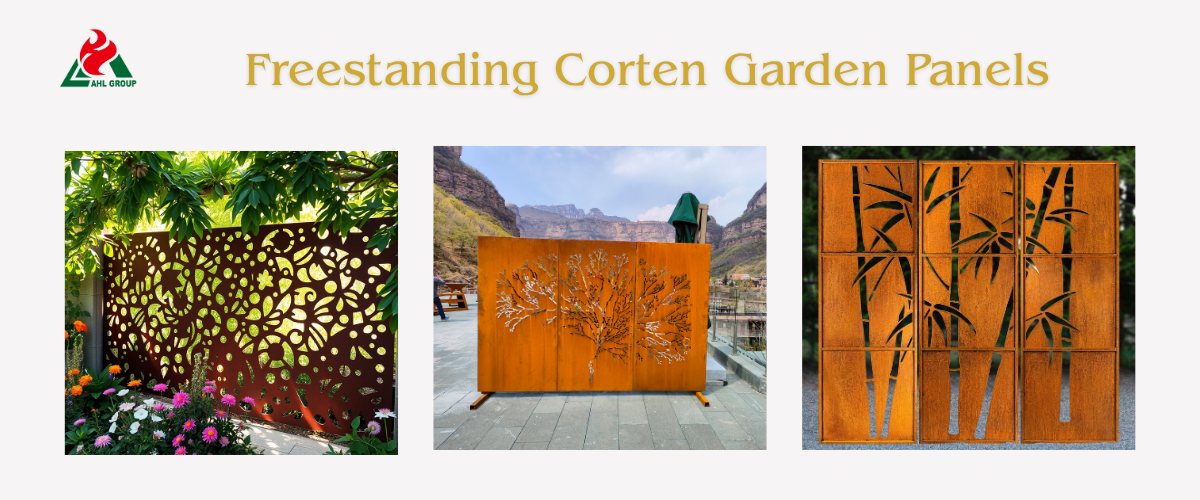
Proper installation, regular maintenance, and environmental protection ensure that Corten steel screens remain durable and visually appealing for decades. By addressing surface imperfections, managing rust runoff, stabilizing the rust layer, and protecting fasteners and posts, you can fully enjoy the industrial aesthetics of Corten steel without incurring high maintenance costs.
We invite you to explore AHL Group’s decorative and privacy screen collections and contact our technical team for expert advice on installation and maintenance, ensuring your screens achieve maximum longevity and a flawless visual appearance.
Frequently Asked Questions About Corten Screens
Q1. How Long Does It Take for a Corten Steel Screen to Weather Completely?
Weathering steel gradually forms a protective rust layer. Under normal outdoor conditions, it typically takes 6 to 12 months to develop a uniform rusted appearance. Factors affecting the weathering process include:
► Rainfall and humidity: Regular exposure to moisture accelerates oxidation.
► Sunlight: Areas with ample sunlight may dry out faster, causing the rust layer to form more slowly in shaded areas.
► Air circulation: Leaving adequate gaps behind the screen promotes the “wet-dry” cycle necessary for the formation of a stable protective layer.
For optimal results, we recommend inspecting the panels regularly during the first year; if a more uniform patina is desired sooner, consider using pre-weathering treatment technology.
Q2. Can Corten Steel Screens Be Installed Near the Coast?
Yes, but special protective measures are required because the high salt content in coastal air accelerates corrosion. Recommendations for coastal installations include:
► Use thicker panels (2–3 mm) to enhance durability.
► Select high-quality stainless steel fasteners (Grade 316) to prevent electrochemical corrosion.
► Regular rinsing: Rinsing away salt deposits can reduce localized rusting.
► Ventilation considerations: Ensure the screen is installed off the ground or secured with spacers to allow for adequate drying.
With these precautions in place, weathering steel screens can last for decades even in coastal environments, while maintaining structural integrity and aesthetic appeal.
Q3. What is the Difference Between Corten A and Corten B for Screens?
There are two main types of weathering steel: Corten A and Corten B. Their differences affect installation, rust formation, and durability:
Corten A:
► Thinner gauge forms a protective rust layer more quickly.
► Ideal for decorative panels and lightweight screens.
► In areas with strong winds or coastal regions, more careful structural support may be required.
Corten B:
► Thicker gauge with greater resistance to atmospheric corrosion.
► Better suited for structural screens, privacy walls, and applications in highly exposed environments.
► The rust layer forms more slowly but offers superior long-term durability.
The choice between Corten A and Corten B depends on the desired visual effect, structural requirements, and degree of environmental exposure, ensuring your installation is both aesthetically pleasing and durable, with a lifespan spanning decades.

