


1. Introduction: Addressing Parent and Pet Owner Concerns
The Aesthetic Appeal of Corten Steel in Home Gardens: The Origin of Safety Concerns
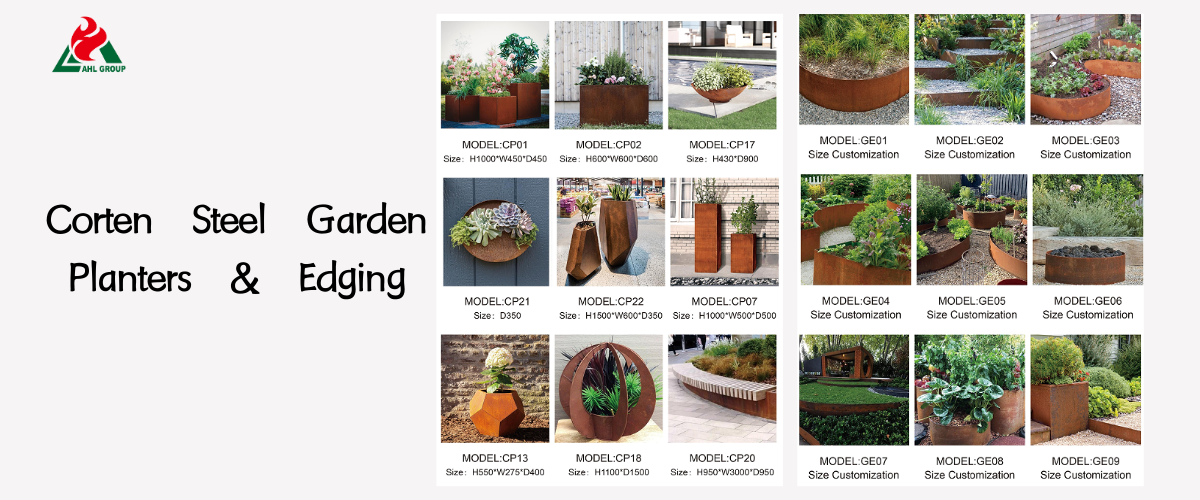
Corten steel's warm earth tones create a striking contrast with lawns and flower beds. However, its distinctive rusted appearance naturally raises concerns among parents and pet owners. Focus typically centers on two aspects: the physical safety of sharp metal edging and the chemical safety of the rust patina. These are responsible questions deserving answers backed by solid evidence.
Beyond “Rust”: Distinguishing Empirical Risks from Perceived Hazards
This guide will differentiate between ordinary flaking rust and the stable patina formed through specialized treatment in weathering steel. We will analyze potential risks ranging from sharp edges to accidental contact, and clarify how superior manufacturing techniques and scientifically sound installation methods can eliminate these hazards, allowing you to confidently enjoy its aesthetic value.
2. The Science Behind Corten Steel: Composition and Patina Stability
What is Corten Steel Made Of?
Weathering steel is a high-strength low-alloy steel primarily composed of iron, with deliberate additions of trace amounts of copper, chromium, nickel, and phosphorus. These alloying elements are crucial—they trigger the formation of a protective rust layer and exist safely in minimal quantities within many environmental and industrial materials.
“Stable Rust Layer”: Why It Doesn't Flake Off Like Ordinary Rust
The defining characteristic of weathering steel is its “self-protecting” rust layer. When exposed to the natural environment, the alloy elements promote the formation of an initial surface rust that develops into a dense, robust protective layer tightly bonded to the base metal. Unlike the loose, flaking rust found on discarded tools or vehicles, this rust layer is stable and resistant to peeling. It acts as a barrier, sealing the steel surface and preventing further corrosion, thus avoiding the continuous production of residue.
Is the Rust Layer Toxic?
The rust layer primarily consists of iron oxides (Fe₂O₃ and FeOOH), compounds that are chemically stable and non-toxic. Their nature is identical to the naturally occurring ochre mineral found in soils and clays worldwide. They are not absorbed through the skin, and routine contact poses no chemical hazard. Consequently, using rust-patinated materials in gardens—including areas frequented by pets and children—is safe.
3. Potential Risks: A Realistic Look at Sharp Edges and Residue
Primary Concern: Physical Safety—Sharp Edges and Corners
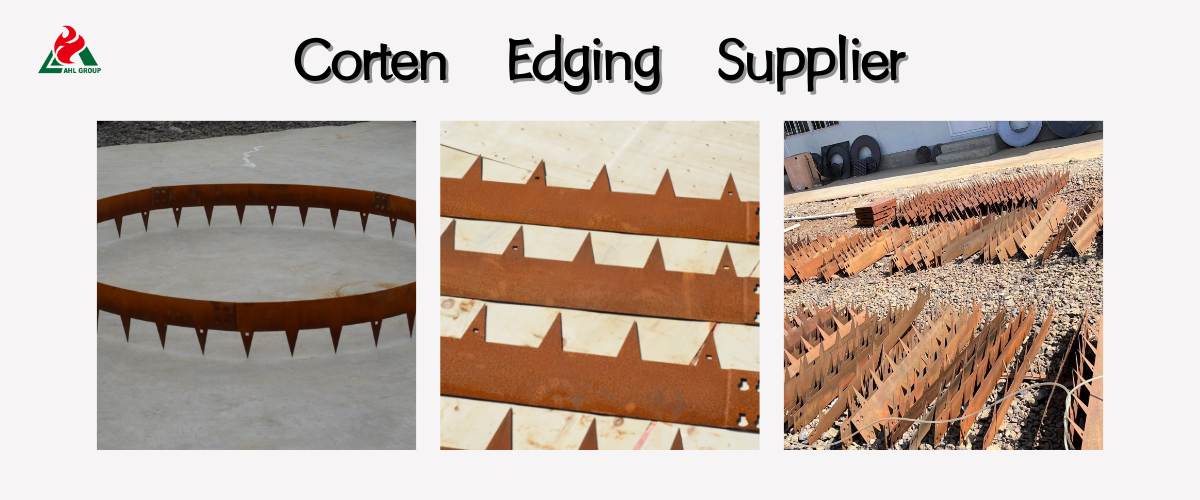
The greatest potential risk of Corten metal edging is not rust, but untreated sharp edges. Unpolished, sheared metal edges can be razor-sharp, posing a significant laceration hazard to bare feet or animal paws. This is a manufacturing process issue, not an inherent flaw of weathering steel itself.
Secondary Concern: Residual Iron Oxide (Rust Dust) in Early Stages
During the initial weathering phase (first few rainfall cycles), as the rust layer forms, there may be temporary shedding of fine iron oxide particles. Contact during this stage may leave a light orange residue on hands or paws. This substance washes off easily with soap and water and is harmless.
Ingestion and Contact: What Happens if Pets or Children Touch/Chew?
Routine contact poses no safety concerns. If children or pets chew on the steel, they may experience a metallic taste and become coated with trace amounts of iron oxide, which is non-toxic. The primary risk lies in physical injury from chewing on hard metal edges, not chemical toxicity. As with any garden object, discouraging chewing is always good practice.
4. How AHL Corten Ensures Safety: Design and Manufacturing Standards
Rolled or Smooth Edges: Our Standard for Safe Handling
At AHL Group, safety design is integrated into our edging products. We process top edges through precision cutting or rolling techniques to create smooth, rounded surfaces. This critical step eliminates sharp corners and burrs, ensuring a safe touch with no risk of cuts and achieving a “pet-friendly” design.
Pre-Oxidation Option: Minimizing Initial Exudation and Residue
For clients seeking to bypass the initial exudation phase completely, we offer pre-oxidized edging materials. Factory-applied stable oxide layers ensure zero residue or “rust dust” in gardens. This provides an ideal “ready-to-use, clean-finish” solution for immediate installation in home spaces.
Secure Installation Methods Prevent Displacement and Hazards
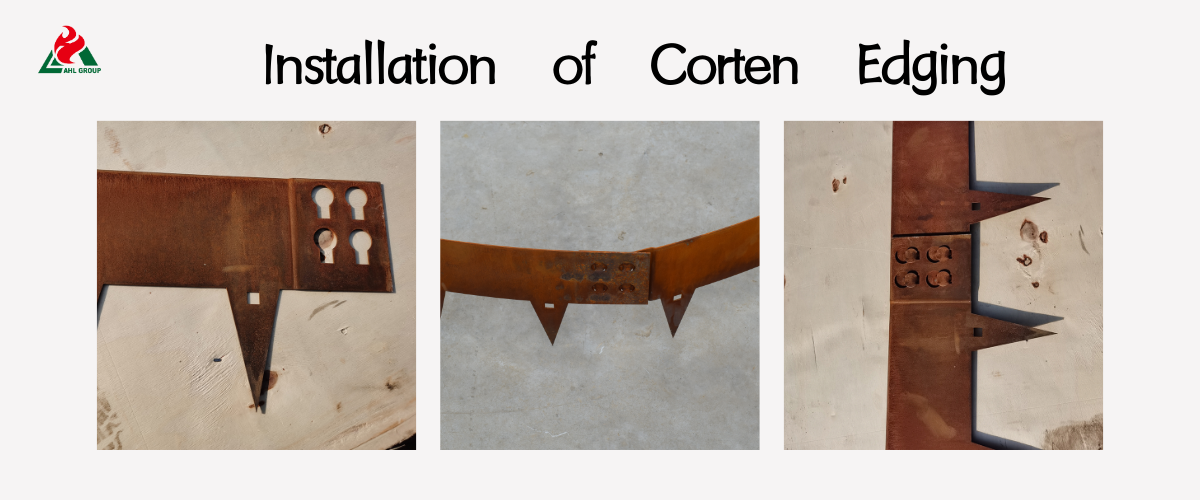
We provide robust installation guidance, typically employing piling or partially buried anchoring. Firmly anchored borders won't tip over, shift, or create tripping hazards—a core guarantee for long-term safety.
.png)
5. Best Practices for Safe Installation in Family-Friendly Gardens
Selecting the Right Location: Play Areas vs. Decorative Flower Beds
For maximum peace of mind, use weathering steel edging as decorative borders around shrub beds, tree rings, or pathway edges. In high-traffic play lawns, opt for durable materials like rounded river pebbles or flexible rubber mulch.
The Key to Safety: The “Embedded Fixing Method”
Proper installation is crucial. Recommended steps:
1. Partial Burial Method: Bury the bottom 1-2 inches of the garden edging into a shallow trench to enhance stability and reduce exposed height.
2. Anchor Stake Method: Securely anchor the edging to the ground at regular intervals using matching steel stakes.
3. Backfill and Compaction Method: Tightly backfill soil on both sides of the edging to create a stable, immovable boundary, preventing the edging from kicking or shifting.
Initial Care Period: Simple Management Achieves Stable Rust Formation
For natural (non-pre-oxidized) weathering steel, simply allow the frame to weather through the first few rains. Children or pets may then play directly beside it. This brief period washes away initial loose oxidation, promoting the formation of a stable rust layer. Afterward, the frame becomes chemically inert and feels clean to the touch.
6. Corten Edging vs. Alternative Materials: A Safety and Durability Comparison
Compared to Plastic, Wood, and Concrete: Long-Term Safety Profile
| Material |
Safety & Toxicity Consideration | Durability & Long-Term Risk |
| Corten Steel |
Non-toxic, stable patina. Risk: sharp edges if poorly made. | Excellent. Does not rot, splinter, or degrade. Maintains safe, solid form. |
| Plastic/Polymer |
Chemically inert, but can contain chemical additives. | Poor. Can become brittle, crack, and create sharp, broken shards over time. |
| Pressure-Treated Wood |
Historically used toxic arsenic/CCA; modern treatments (ACQ) are safer but involve copper. Can splinter. | Fair. Will eventually rot, splinter, and can harbor mold or insects. |
| Poured Concrete |
Generally inert but can have sharp, abrasive edges when chipped. | Good. Can crack and heave over time, creating trip hazards and sharp edges. |
Advantages of Chemical-Free Preservation
Unlike pressure-treated wood or certain composite materials, weathering steel requires no chemical preservatives, insecticides, or sealants. Its protective properties stem from its alloy composition and natural weathering process, eliminating the risk of chemicals leaching into garden soil over time.
Weathering vs. Degradation: How Weathering Steel Maintains Integrity
As weathering steel undergoes oxidation, its surface transforms into a stable rust layer. This material does not degrade—its structural core remains robust and intact for decades. Unlike wood that rots or plastic that becomes brittle, weathering steel does not suddenly fail, collapse, or develop hidden hazards, ensuring lasting safety.
Conclusion: Enjoying a Stylish and Secure Landscape with Confidence
Safety Considerations for Proper Selection and Installation
Corten landscape edging is a safe, non-toxic, and durable material for home gardens. The primary safety priority is selecting manufacturers that guarantee smooth, rolled edges and ensuring secure installation to prevent displacement.
Pet and Child Safety Checklist for Corten Steel Edging Projects
► Smart Purchasing: Choose suppliers that explicitly state smooth rolled edge processing (e.g., AHL Weathering Steel).
► Consider Pre-Weathered Treatment: Opt for pre-weathered edging to avoid initial residue.
► Secure Installation: Bury the base into the soil and anchor with stakes.
► Manage Initial Stages: Natural weathering steel requires several rain cycles to weather before opening the garden for use.
Custom Home Safety Landscape Edging—Inquiries Welcome
AHL Group understands safety is non-negotiable. Our landscape edging prioritizes family and pet safety, crafted from standard smooth-edge profiles. We also offer custom pre-oxidized solutions and detailed installation guides to ensure your project achieves beauty, durability, and comprehensive safety.
【Contact our team today to discuss your specific project needs and request samples of our safety-edge Corten steel borders.】

