


In garden design, choosing the right landscape edging material is about much more than just aesthetics. Edging not only defines areas, prevents soil erosion, and separates planting beds, but also keeps mulch or gravel neatly contained within designated boundaries. More importantly, the durability of the landscape edging material will determine how much time, effort, and money you’ll need to invest in maintenance over the coming years.
Gardeners and landscape designers face countless options: wood, vinyl, plastic, concrete, stone, and metal. Among these, Corten steel landscape edging—also known as Corten steel garden edging—has emerged as one of the most durable and visually striking choices. Its natural rust patina, combined with the inherent strength of steel, makes it a perfect fusion of function and art.
In this comprehensive guide, we’ll explore the factors that affect the lifespan of landscape edging, why Corten steel garden edging is the best long-term investment, installation tips to enhance durability, and how these steel panels can elevate the overall aesthetic of your garden.
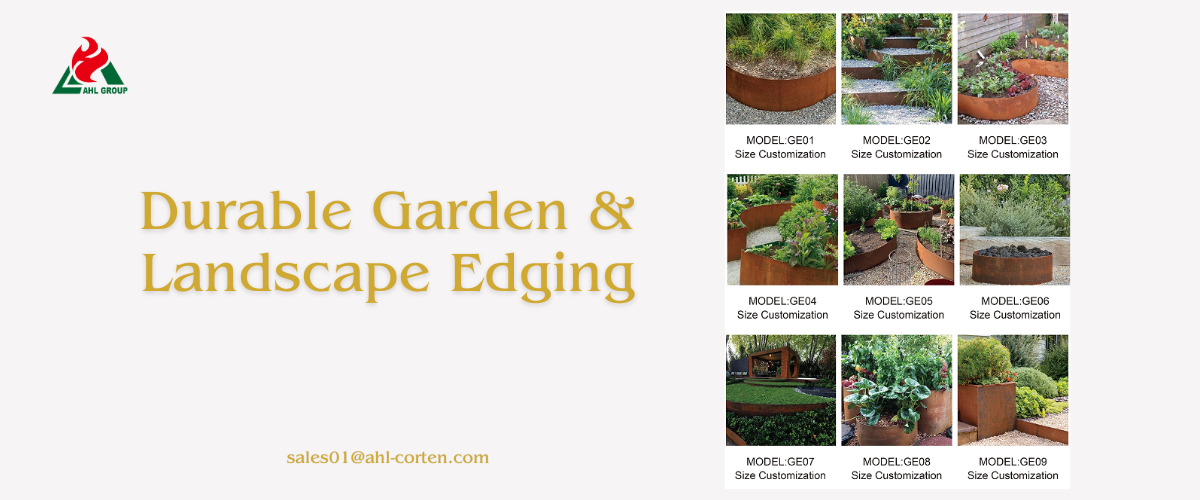
Gardeners and landscape designers face countless options: wood, vinyl, plastic, concrete, stone, and metal. Among these, Corten steel landscape edging—also known as Corten steel garden edging—has emerged as one of the most durable and visually striking choices. Its natural rust patina, combined with the inherent strength of steel, makes it a perfect fusion of function and art.
In this comprehensive guide, we’ll explore the factors that affect the lifespan of landscape edging, why Corten steel garden edging is the best long-term investment, installation tips to enhance durability, and how these steel panels can elevate the overall aesthetic of your garden.
1. Introduction to Landscape Edging
What Is Landscape Edging and Why Does It Matter
Landscape edging refers to materials installed along the edges of flower beds, paths, lawns, or retaining walls to define spaces and prevent plants from encroaching. In addition to creating a neat visual boundary, edging also:
► Holds soil and mulch in place
► Controls the spread of invasive weeds and plants
► Helps prevent soil erosion on slopes
► Creates a well-defined, professional, and attractive appearance
The edging materials you choose directly impact their lifespan, maintenance requirements, and ability to withstand weather conditions.
Common Materials for Garden Edging
Traditionally, gardeners typically choose:
► Wood, for a natural aesthetic
► Plastic and vinyl as cost-effective options
► Concrete and stone, for their durability
► Metal edging (aluminum, galvanized steel, and weathering steel), which offers both durability and strength
Each material presents trade-offs in terms of cost, maintenance, and lifespan.
The Importance of Durability in Landscape Design
Replacing damaged edging is both time-consuming and costly, especially when plants, soil, and mulch are disturbed in the process. Choosing a long-lasting solution ensures your garden remains neat and functional while minimizing maintenance. This is precisely where Corten steel edging shines.
2. Key Factors That Affect Landscape Edging Longevity
Material Durability and Weather Resistance
The type of material determines how well your curbstones withstand the following conditions:
► Rain, humidity, and snow accumulation
► Sun exposure and UV degradation
► Soil acidity and moisture content
► Physical pressure from soil, tree roots, or lawn equipment
Weathering steel performs exceptionally well under all these conditions because it forms a stable rust-protective layer that shields the underlying metal.
Soil Conditions and Moisture Levels
Heavy clay or poorly drained areas can accelerate the decay of wooden or inexpensive plastic edging. In contrast, Corten landscape edging is unaffected by soil moisture and remains effective at preventing rust even beneath its protective rust layer.
Installation Methods That Affect Service Life
Proper installation can maximize the service life of garden fencing. For example:
► Proper alignment and leveling can prevent stress concentration
► Securely anchor the fence panels to ensure stability in high-wind conditions or on slopes
► Avoid direct contact between untreated metal and soil to prevent premature corrosion
Regular Maintenance and Environmental Exposure
Even durable materials require regular inspection. For Corten steel garden borders, maintenance primarily involves clearing debris and checking for excessive buildup of soil or mulch around the panels.
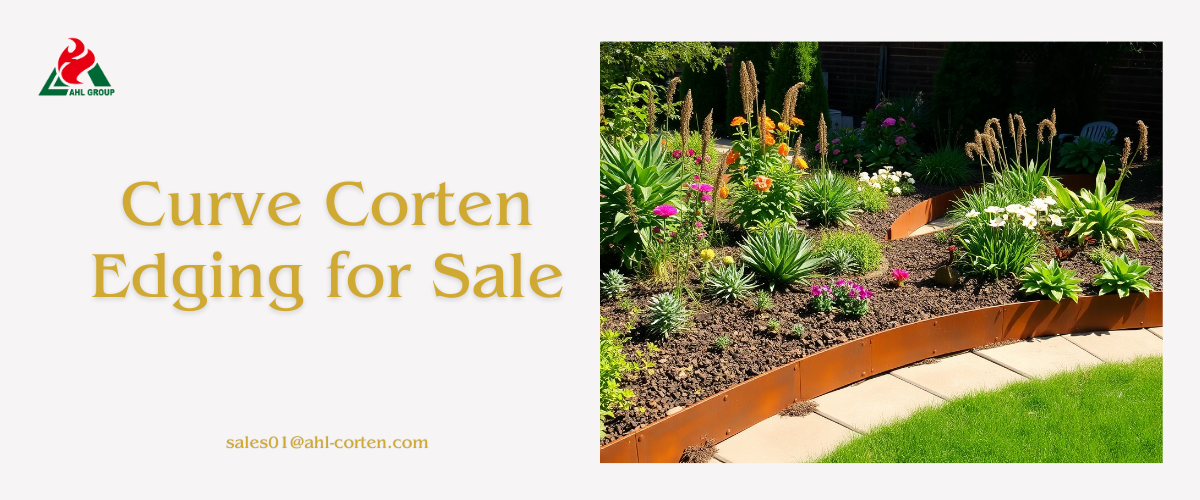
3. Overview of Landscape Edging Materials
Plastic and Vinyl Frames—Pros and Cons
Plastic and vinyl frames are affordable and easy to install, but:
► They may warp or crack over time
► They are prone to fading in sunlight
► They typically last 3–10 years, after which they need to be replaced
Wood Frames—Limited Lifespan
Wood has a natural appearance, but:
► It rots in humid climates
► It is susceptible to insect damage
► It typically lasts 5–15 years, depending on treatment
Concrete and Stone Frames — Durable but Heavy
Concrete and stone are durable, but:
► Installation requires heavy equipment
► They may crack during freeze-thaw cycles
► They are less adaptable to curved boundaries
Metal Edging—Steel, Aluminum, and Corten Steel
Metal edging combines strength, flexibility, and low maintenance. Among these metals, Corten steel stands out because:
► Unlike aluminum, it can withstand soil pressure without bending
► Unlike galvanized steel, it develops a visually appealing protective rust layer
It requires virtually no maintenance for decades
4. Why Corten Steel (Weathering Steel) Is the Best Choice
Superior Durability Compared to Wood and Plastic
Corten steel landscaping borders are robust enough to withstand impacts, soil movement, and mechanical stress. While wood may rot and plastic may warp, Corten steel retains its shape and functionality for decades.
Rust Patina: A Natural Corrosion-Resistant Protective Layer
The hallmark feature of weathering steel is its rust patina. As the steel oxidizes, a tightly bonded layer of rust forms, preventing deeper corrosion. This layer possesses the following characteristics:
► Resistance to moisture and chemical erosion
► Stability over time
► A rich, warm, and natural appearance
Resistance to Moisture, Rot, and Soil Pressure
Thanks to these inherent properties, Corten steel landscape edging can withstand:
► Soil moisture and acidity
► Rotting, mildew, or fungal growth
► Pressure from heavy soil or slopes
Minimal Maintenance Requirements
Once installed, Corten steel requires virtually no maintenance:
► No painting or sealing required
► Only simple debris removal is needed
The rust layer forms naturally over time, providing ongoing protection
5. Corten Steel Retaining Walls and Landscape Borders
Types of Weathering Steel Edging
Corten steel edging includes:
► Flat edging strips suitable for lawns and flower beds
► L-shaped or corner panels for retaining soil on slopes
► Custom-cut panels suitable for curved or artistic landscape designs
Thickness and Size Options for Garden Retaining Walls
The thickness of weathering steel panels directly affects their durability. Standard garden edging panels typically range in thickness from 1.5 mm to 3 mm, while larger retaining walls may require 4 mm or thicker panels to effectively withstand soil pressure.
Structural Strength for Sloped or Hilly Gardens
For elevated flower beds or hillside gardens, Corten steel retaining walls can be anchored to resist lateral soil pressure, ensuring long-term stability.
How the Rust Patina Developed Over Time Enhances Aesthetics
After several months, the steel will naturally oxidize to form a deep reddish-brown rust patina, adding a rustic yet refined industrial charm to your garden. This rust patina:
► Blends perfectly with plants and ground cover
► Adds visual depth and a unique character
► Provides ongoing protection against corrosion
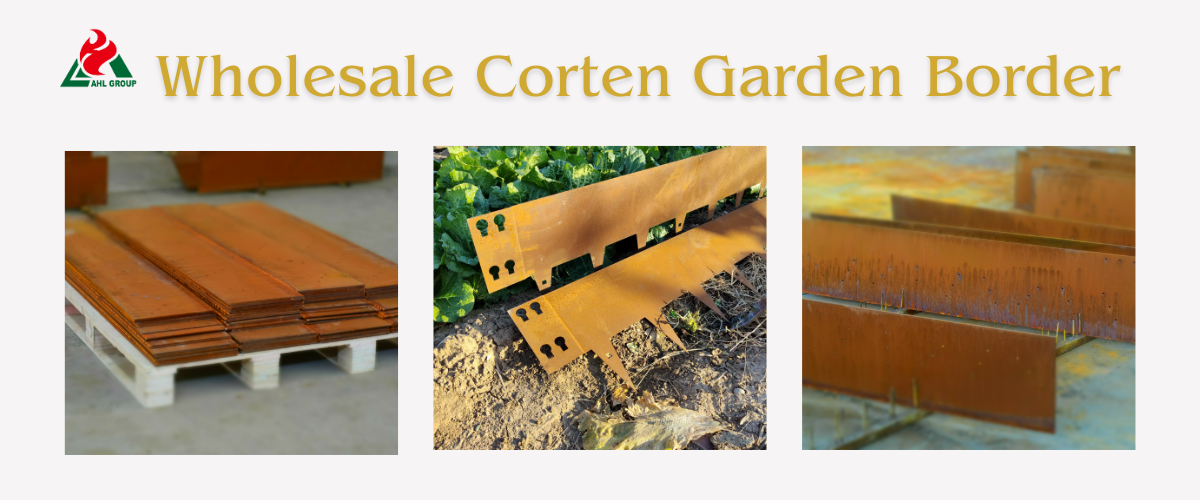
6. Comparing Longevity: Corten Steel vs. Other Materials
| Material |
Average Lifespan | Key Considerations |
| Plastic/Vinyl |
3–10 years | Prone to warping, UV degradation |
| Wood/Timber |
5–15 years | Susceptible to rot, insects, and moisture |
| Concrete/Stone |
20–50 years | Heavy, may crack in freeze-thaw climates |
| Steel (Corten) |
30+ years | Develops protective patina, low maintenance, highly durable |
Corten steel edging clearly outperforms other common materials, especially in long-term garden applications where durability and aesthetics matter.
7. Installation Tips for Maximum Durability
Proper Site Preparation and Grading
Dig a trench, remove rocks or tree roots, and grade the soil to create a stable foundation for laying the steel panels. Proper preparation helps prevent future displacement.
Proper Anchoring Techniques for Steel Retaining Panels
Use metal piles or anchor bolts to secure the retaining panels at uniform intervals. For retaining walls, L-shaped anchor bolts or backfill supports ensure resistance to earth pressure.
Preventing Water Accumulation and Soil Erosion Behind Retaining Panels
Install a drainage system or create a slight slope behind the retaining panels to prevent water accumulation, which could otherwise accelerate corrosion or cause soil displacement.
Ensuring the Stability of Retaining Walls Composed of Multiple Panels
For large-scale projects, use interlocking retaining walls or welded joints to enhance stability, particularly on steep slopes or in areas with high soil pressure.
8. Design Considerations for Long-Lasting Weathering Steel Edging
Straight and Curved Garden Edging
Weathering steel can be fabricated into curved shapes to meet artistic design requirements. Curved panels may require additional anchoring measures to ensure long-term stability.
Recommended Board Height and Thickness
► Low flower beds: Height 150–200 mm, thickness 1.5–2 mm
► Medium-height flower beds: Height 250–300 mm, thickness 2–3 mm
► Retaining walls: Height 400 mm or higher, thickness 3–4 mm
Integration with Other Garden Elements and Pathways
Metal edging can be combined with pathways, gravel, patios, or water features to create a cohesive design.
Rusted Surface Finish for Visual Harmony with the Environment
The rusted surface that develops over time complements the natural colors of the garden, creating a timeless and sustainable aesthetic.
9. Environmental and Aesthetic Benefits
Creating Sustainable Landscapes with Durable Steel
Weathering steel is an exceptionally sustainable choice for landscape design due to its long lifespan and minimal maintenance requirements. Unlike wood, which needs to be replaced every few years, or plastic edging that may crack or warp, garden borders made of weathering steel can last for decades. This not only reduces resource consumption and waste generation but also makes your garden more environmentally responsible. Furthermore, many steel sheets are made from recycled materials, further supporting eco-friendly landscape design practices.
Unique Rustic and Industrial Aesthetics
One of the most compelling reasons landscape designers and homeowners choose weathering steel is the natural patina that forms over time. These warm, rustic tones enhance the visual appeal of outdoor spaces, seamlessly blending rustic charm with modern industrial design. The patina evolves gradually, giving your garden a dynamic, living quality that constantly shifts with the weather and sunlight.
Durable Edging Enhances Property Value
High-quality landscape edging, like weathering steel, not only improves functionality and aesthetics but also increases property value. Well-defined borders, retaining walls, and weathering steel components demonstrate attention to detail and exceptional durability, appealing to both potential buyers and gardening enthusiasts alike. Investing in durable garden edging is a wise choice that delivers both immediate aesthetic appeal and long-term value.
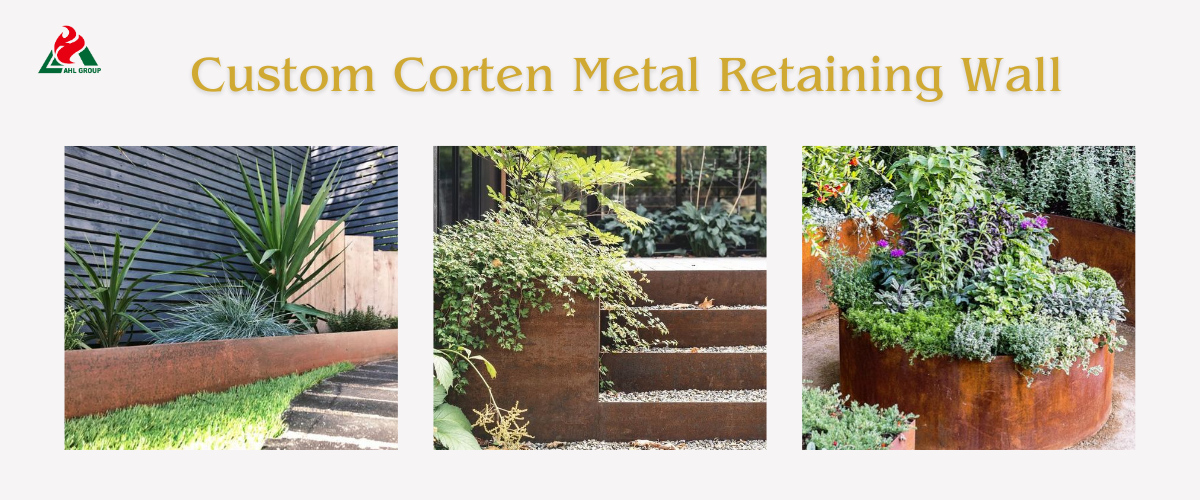
10. Case Studies: Weathering Steel Landscape Edging in Action
Residential Garden Installations—Long-Lasting Results
Many homeowners have installed weathering steel garden edging to delineate flower beds, pathways, and vegetable gardens. After 5 to 10 years, these installations typically show little to no wear, and the rust layer that forms continues to prevent rust and corrosion. Even in areas with heavy rainfall or extreme temperature fluctuations, the panels remain structurally sound and require only occasional cleaning to remove debris.
Public Parks and Urban Landscape Projects
An increasing number of cities and municipal departments are choosing weathering steel retaining walls for urban landscaping. These panels are ideal for public parks, plazas, and pedestrian walkways because they:
► Are strong enough to withstand frequent foot traffic
► Are vandal-resistant and withstand accidental impacts
► Are aesthetically pleasing in both modern and natural settings
Many urban projects have incorporated retaining panels up to 1 meter high to create functional retaining walls and boundary landscaping, which can last for decades with virtually no maintenance.
Large Sloped Retaining Walls Using Corten Steel
For hilly or sloped landscapes, weathering steel retaining walls have proven to be highly effective. When properly anchored and equipped with an appropriate drainage system, these walls not only effectively stabilize the soil and prevent erosion but also add clean, modern edge lines to the landscape. Over time, the surface develops a uniform patina, creating a harmonious and elegant visual effect that complements residential landscapes and blends seamlessly into commercial settings.
Conclusion: Durable Landscape Edging
When selecting the most durable material for landscape edging, weathering steel undoubtedly stands out among the many options available. Its combination of durability, low maintenance requirements, and resistance to wind, rain, and soil pressure—coupled with the unique patina that develops over time—makes it an ideal choice for homeowners, landscape architects, and urban planners.
Garden borders and durable retaining walls made from weathering steel not only offer functional benefits such as soil stabilization and erosion control but also enhance the aesthetic appeal of outdoor spaces. Whether for small residential flower beds or large-scale public park landscapes, Corten steel edging provides unmatched durability and visual impact.
By selecting high-quality steel panels, installing them correctly, and allowing the rust patina to develop naturally, you can enjoy landscape edging that remains attractive, durable, and environmentally friendly for decades—outperforming alternative materials such as wood, plastic, vinyl, and even concrete.

