


Corten steel panel is a material with a life of its own, distinguished by its ability to provide structural durability while undergoing dynamic aesthetic evolution. Yet behind the simplicity of its “weathered” appearance lies a complex metallurgical process requiring precise environmental conditions for successful execution. In the high-stakes realm of modern architecture, improper installation of Corten steel cladding projects can lead to structural safety hazards, unsightly stains, and even legal liability. This guide serves as a comprehensive implementation roadmap for architects and contractors, detailing critical installation pitfalls and providing engineering-validated solutions to ensure century-long building performance.
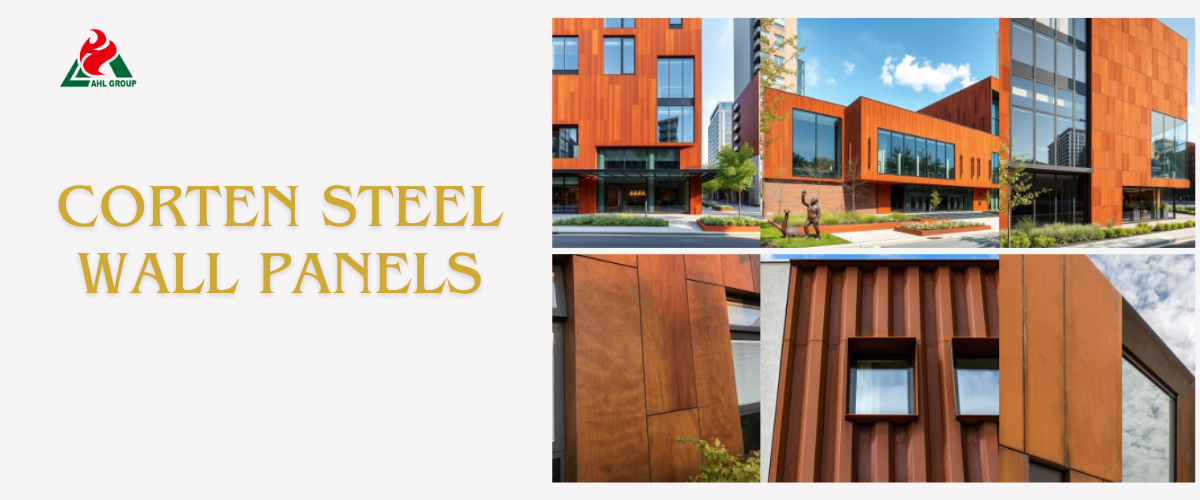
Introduction to Corten Steel and Its Installation Challenges
To understand weathering steel, one must first recognize that it is an alloy specifically engineered to resist atmospheric corrosion, not ordinary carbon steel left to rust. The formation of its protective rust layer—a dense, non-porous layer of hematite—requires specific cycles of wetting and drying. Installation challenges stem from the material's differing characteristics during its initial and mature stages. Unlike painted or galvanized steel, weathering steel interacts directly with the environment. This means every touch, every droplet of water, and every choice of adjacent material influences the outcome. Successful installation requires shifting from a “static” construction mindset to a “biological” design approach, where installers must anticipate how the environment will breathe through the steel over decades.
Mistake 1: Improper Handling and Storage Before Installation
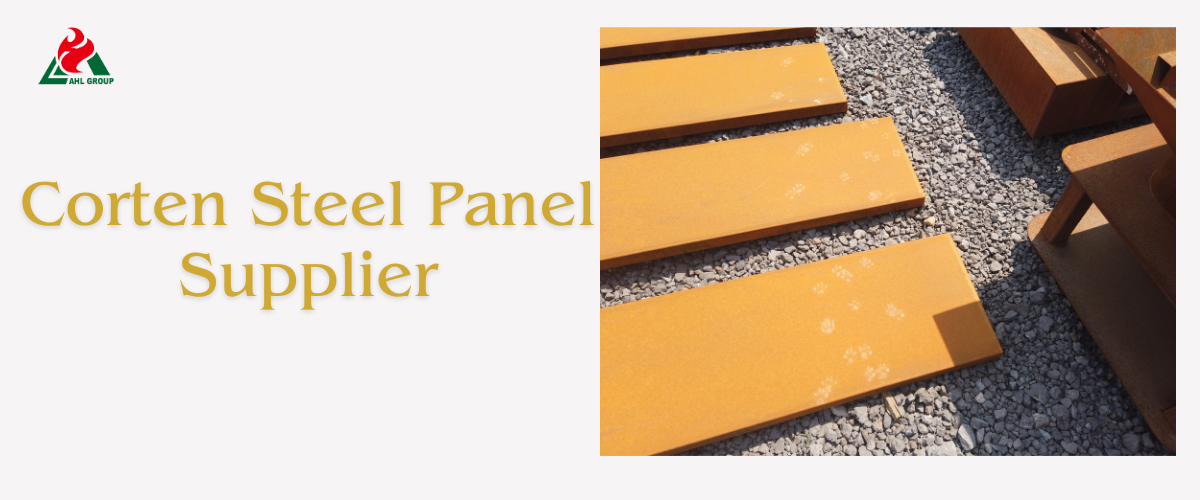
Corten steel reaches peak vulnerability during transit from the factory to the installation site. Many contractors treat weathering steel as a rugged industrial product, failing to recognize that its “raw” surface is extremely sensitive to chemical and physical contamination. Improper storage not only causes cosmetic defects but also fundamentally disrupts the chemical formation of the rust layer, leading to “pitting” or uneven weathering. These defects may never self-repair. Professional logistics must prioritize preserving surface integrity to ensure oxidation initiates on a clean, uniform substrate.
Neglecting Protective Mill Scale During Transport
Mill scale is a byproduct of the hot-rolling process. If not removed via sandblasting (SSPC-SP 6 standard) before installation, it will flake off irregularly over the years, creating a “leopard-spot” appearance. Retaining partial mill scale during transport results in chaotic and uneven rust layer formation.
Inadequate Support When Stacking Sheets Horizontally
When Corten steel cladding panels are stacked flat, capillary action traps moisture between sheets. Lack of air circulation keeps the steel perpetually damp, creating “wet storage stains” (dark, unsightly patches) and hindering protective rust layer formation. Always store sheets vertically or use non-marking spacers.
Mistake 2: Neglecting Proper Ventilation and Drainage
The greatest threat to weathering steel is “trapped moisture.” The legendary durability of this material hinges entirely on its ability to dry completely after rainfall. If design flaws, poor ventilation, or proximity to moisture-absorbing materials cause the steel to remain damp for extended periods, its performance will become indistinguishable from ordinary low-carbon steel, ultimately leading to rust penetration. Ventilation systems serve as the “lungs” of weathering steel structures. Without adequate ventilation, the protective oxide layer cannot form stably, trapping the material in a vicious cycle of accelerated corrosion—the phenomenon known as “darkening.”
Moisture Retention on Steel Surfaces
Installing weathering steel directly onto insulation layers, soil, or wood surfaces without drainage cavities creates moisture retention zones. Consider a Corten planter: without an asphalt liner or impermeable membrane, the steel remains in anaerobic corrosion conditions, drastically shortening its service life.
Lack of Drainage System Design
Weathering steel panels must incorporate a “drip edge” and ensure adequate slope. Standing water on horizontal surfaces or repeated water flow along the same path creates “wash marks,” resulting in uneven rust patina. Proper drainage engineering ensures rapid and uniform water runoff across the entire surface.
Mistake 3: Incorrect Fastening and Fixing Methods
The connection method between Corten steel siding and structural elements directly determines their long-term safety and aesthetic integrity. Many installers mistakenly use standard hardware, leading to two major issues: mechanical failure caused by differing metal expansion rates and chemical failure due to electrochemical reactions. In the 2026 built environment, fastening systems must be corrosion-resistant to withstand the corrosive runoff inherent to steel, while ensuring that “fixed points” do not evolve into “failure points” during 50 years of thermal cycling.
Incompatible Metals (Electrochemical Corrosion)
When weathering steel contacts dissimilar metals like zinc (galvanized steel) or aluminum in the presence of electrolytes (rainwater), a battery-like reaction occurs. This accelerates corrosion of the less noble metal. Always use stainless steel (Grade 316) or weathering steel-specific fasteners with EPDM isolation washers.
Over-tightening or Under-tightening Fasteners
Corten steel facade expands and contracts with temperature changes. Over-tightening fasteners without allowing thermal expansion space can cause panel “warping” or “tank deformation.” Conversely, under-tightening may induce vibration and structural fatigue. Slotted holes are the standard engineering solution for managing this displacement.
Mistake 4: Misunderstanding the Weathering Process
Expectation management is critical to successful installation. Clients and contractors often expect weathering steel to perform like factory-coated products, leading to panic when the material undergoes its natural and chaotic “adolescence.” Inadequate understanding of the rust layer formation cycle frequently results in unnecessary (and sometimes destructive) interventions, such as improper sealants or cleaners, which reset the weathering process or destroy the protective oxide layer.
Expecting Immediate Uniform Rust Formation
Weathering steel arrives not orange but blue-gray. Depending on climate conditions, its transformation to deep brown takes 18 to 36 months. Installers who use strong acids to “catalyze” rusting often damage the steel's metallurgical structure, causing surface brittleness and flaking.
Excessive Concern Over Initial Rust “Bleeding”
During the first year, weathering steel naturally “bleeds” iron oxide as part of its stabilization process. A common misconception arises when this characteristic is not explained to clients, leading to disputes when sidewalks turn orange. This is a controllable process through design, not a defect to be feared.
.png)
Mistake 5: Poor Detailing at Joints and Edges
The success or failure of Corten steel exterior wall projects hinges on details. Because this material relies on chemical reactions, the treatment of joints between wall panels and exposed edges are highly sensitive area. Improper detailing creates “water pockets” and “crevice corrosion zones,” preventing the steel from drying. For 2026 building details, design must prioritize ‘drainage’ over “sealing,” acknowledging that moisture will always find a way in and that designs must provide drainage mechanisms.
Insufficient Overlap or Improper Sealant Application
Standard silicone sealants typically fail to bond with the porous surface of oxidized steel. Improper sealant use at joints traps moisture, causing internal corrosion while the exterior appears intact. Mechanical overlaps combined with adequate drainage gaps almost always outperform chemical sealing solutions.
Water Traps at Panel Joints
Horizontal eaves, water-retaining U-channels, and recessed screws are all “deadly traps” for weathering steel. Professional detailing ensures every joint drains by gravity, maintaining a “wet-dry” cycle even in the tightest corners.
Mistake 6: Inadequate Protection of Adjacent Materials
Weathering steel does not exist in isolation; it is typically adjacent to high-value finishes such as limestone, glass, or polished concrete. The most common “failure” in weathering steel cladding projects is not the steel itself, but the permanent staining it causes to surrounding materials. The cost of repairing this “secondary damage” often exceeds the original installation expenses. Successful installation requires a comprehensive site assessment, treating the steel as a potential “pigment” source whose impact must be carefully controlled.
Rust Contamination of Masonry or Concrete
Porous stones like marble or light-colored concrete absorb iron oxide crystals, forming nearly impossible-to-remove permanent orange stains. Such issues stem from failing to establish a “buffer zone” between steel and stone, such as a gravel strip or embedded drainage channel.
Failure to Use Protective Flashing or Drip Edges
Rainwater from Corten steel curtain walls must never be allowed to flow back onto the building envelope. Without stainless steel flashing or “kick-out” drainage devices, window frames will develop mottled rust stains, and exterior cladding will become stained, completely undermining the architectural intent.
Mistake 7: Skipping a Mock-Up or Test Panel
The final critical error is assuming materials will replicate the performance of previous projects. Each site possesses unique “chemical characteristics”—a combination of humidity, salt spray, and pollutants—that influence the patina's hue and formation rate. Omitting site-specific simulation testing means architects and clients are making decisions blindly.
The Importance of Validating Design and Refining Details
Sample testing allows contractors to verify fastening tension, drainage efficiency, and “bleed” patterns before full installation. This is the only way to validate that selected detailing solutions are feasible in the local environment.
Client Acceptance of Patina Evolution
By installing field test Corten panels months before formal installation, clients witness firsthand the patina's gradual transition from gray to orange to brown. This manages client expectations while providing an intuitive “reference baseline” for acceptable color variation in the final project.
Conclusion: Best Practices for a Successful Installation
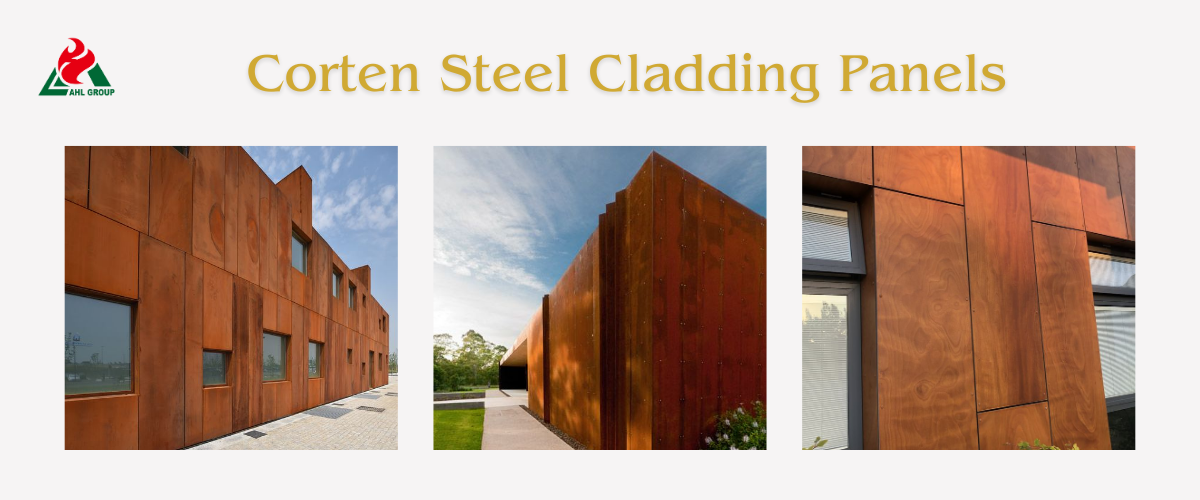
Successful Corten metal cladding installation represents an engineering triumph over the elements. By avoiding seven critical mistakes—prioritizing ventilation, managing runoff, ensuring metallurgical compatibility, and respecting natural weathering cycles—architects and contractors can create truly enduring structures. Weathering steel is not a choice for the lazy or uninformed; it belongs to those who understand the essence of architecture—that only through rigorous technique and reverence for the elements can the most beautiful architectural achievements be forged.
【For technical consultation or certified Corten steel cladding installation training, contact the AHL Group engineering team.】

