


As weathering steel continues to dominate high-end landscape architecture, enthusiasts remain fixated on a core concern: the thermal impact of metal on plant health. Renowned for its rugged aesthetic and “living” rust layer, this metal's thermal conductivity is undeniable. But does its scorching exterior equate to a lethal environment for plant roots? This guide delves into thermodynamic principles and soil insulation properties, revealing how professionals employ strategies to ensure plants thrive within the rugged embrace of Corten planters.
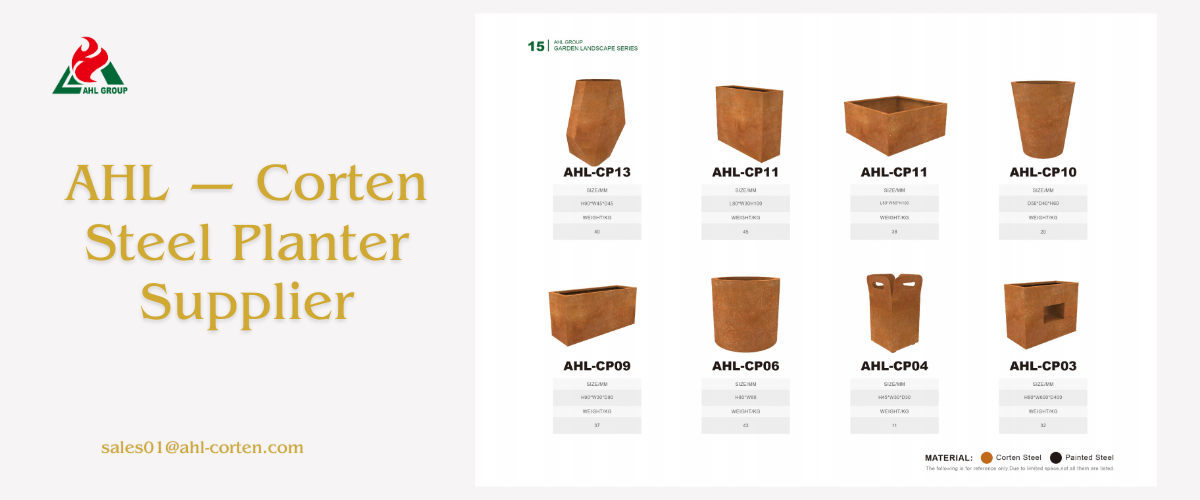
1. Introduction: Addressing the Concern About Metal Planters
Common Concern: “Will Metal Planters Overheat My Plants?”
When observing dark, rusted steel planters under the midday sun, people often conjure the “oven effect” theory. Gardeners worry that solar energy absorbed by metal walls will directly transfer to the soil, potentially scorching the delicate root systems of cherished ornamental or edible plants.
The Short Answer: Metal Does Heat Up—But Not Necessarily Harm Roots
While it's undeniable that metal surfaces reach higher temperatures than wood or stone, the assumption that this causes plant death is a misconception. In professional landscaping, from Arizona deserts to Dubai rooftops, weathering steel (Corten) has proven remarkably effective. The key lies in recognizing that metal serves only as an outer shell, while the life within is protected by its growing medium.
What This Guide Reveals: The Science, Safe Practices, and Proven Solutions
We move beyond anecdotes to explore thermal gradients, critical biological thresholds, and six core cooling strategies. By the end of this guide, you'll master how to harness Corten steel's durability without harming a single root hair.
2. Understanding Heat Dynamics in Corten Metal Planters
How Metal Conducts Heat: Thermal Properties of Corten vs. Other Materials
Compared to porous materials like clay or wood, weathering steel possesses a higher thermal conductivity. However, its thermal mass is lower, meaning it heats up quickly but also cools rapidly after sunset or when exposed to breezes. Unlike plastics, which trap heat and create an internal “greenhouse effect,” metals efficiently radiate heat outward.
The Sun's Role: Solar Absorption, Color, and Surface Temperature
The deeper the rust layer on Corten steel, the higher its solar radiation absorption rate. Newly formed gray rust layers reflect more light, while fully matured deep ochre rust layers absorb more heat. On days with temperatures of 35°C (95°F), the metal surface temperature can reach 55°C (131°F).
Measuring Actual Temperatures: What Studies Show About Metal Planter Heat
Empirical testing shows that despite steep temperature rises in the metal walls, soil temperatures just 5 centimeters from the walls remain significantly lower. The surface temperature of the metal is an “anomaly” that does not represent the internal environment.
Comparing Corten to Ceramic, Plastic, and Wood Under Identical Conditions
In comparative tests, wood consistently maintained the lowest temperature, followed by thick ceramic. Weathering steel and dark-colored plastic often reached similar peak internal temperatures, but weathering steel's ability to cool down faster in the evening often made it more suitable for biological adaptation than plastic.
3. The Critical Distinction: Soil Temperature vs. Metal Surface Temperature
Why Metal Feels Hotter Than the Soil Inside
Metal is a conductor, while soil is an insulator. When you touch the side of a Corten garden planter, your palm feels the heat rapidly transmitted through the metal. However, soil consists of mineral particles, organic matter, air pockets, and water—all poor conductors of heat.
Soil's Insulating Capacity: How Depth Affects Root Zone Temperature
Soil acts as a thermal buffer layer. Heating a large volume of moist soil requires immense energy. As you move toward the center of the outdoor planter, the internal temperature remains remarkably stable—regardless of how scorching the outer surface may feel.
Heat Transfer Dynamics: From Metal Wall to Soil Core
Heat transfers from the metal to the soil via conduction. However, since the soil is not a solid metal block, heat accumulates at the edges, making it difficult to penetrate deeply into the core region before the sun moves and initiates the cooling cycle.
Research Data: Temperature Gradient from Pot Edge to Center
Thermal probes reveal a steep gradient:
► Metal surface: 52°C
► Soil 2 cm from edge: 38°C
► Soil 10 cm from edge: 28°C (“Safe Zone”)
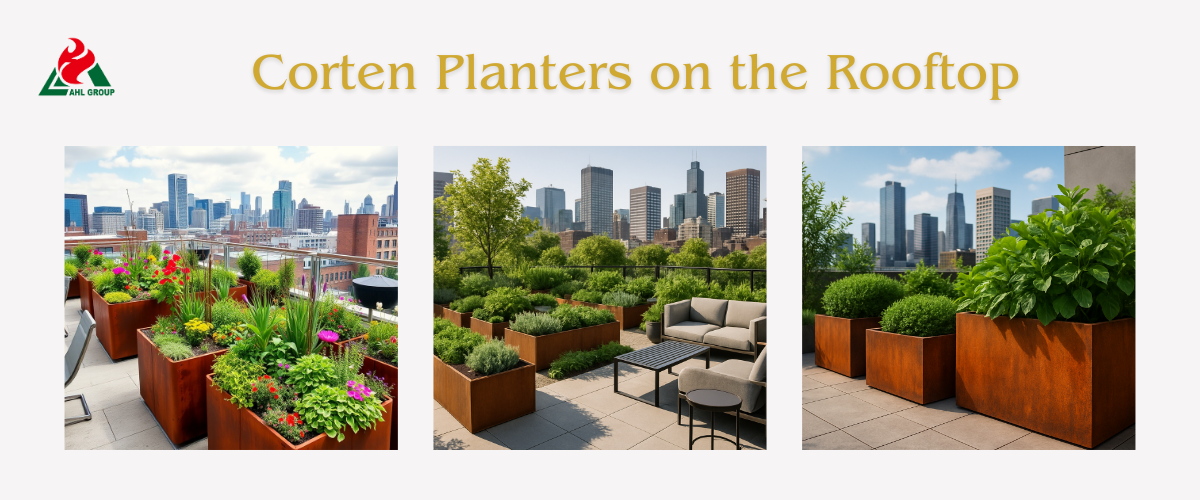
4. Factors That Influence Root-Zone Temperature
Planter Size and Volume: Why Larger Pots Offer Superior Thermal Buffering
Large planters inherently possess self-insulating properties. A 100-centimeter-diameter planter pot features an expansive “cold core” zone, acting as a massive heat sink that effectively shields most of the root system. Smaller pots (under 30 centimeters in diameter) carry higher risks due to their thinner buffer layers.
Color and Rust Stages: Mechanisms of Heat Reflection and Absorption in Rust Layers
The initial orange stage of weathering steel exhibits greater reflectivity than the final dark brown stage. However, the rough texture of the rust layer actually increases surface area, facilitating convective cooling through wind action.
Orientation and Sunlight: South-Facing vs. Shaded Environments
Garden planter boxes placed beside south-facing white walls will endure “dual radiation” (direct sunlight plus reflected heat). Strategic placement can reduce surface temperatures by 10% to 15%.
Plant Types and Root Depth: Shallow Roots vs. Deep Root Systems
Plants with deep, taproot systems are naturally better protected in metal containers, whereas those with shallow, fibrous roots clinging to the container walls are not.
Moisture Content: How Soil Water Regulates Temperature
Water possesses high specific heat capacity. Moist soil requires significantly more energy to heat up than dry soil. Additionally, when moisture evaporates from the soil, it creates a “cooling effect,” lowering temperatures throughout the root zone.
5. When Heat Becomes a Problem: Identifying Risk Conditions
Extreme Climate Scenarios: Desert Heat and Urban Heat Islands
In environments like Arizona or the Middle East, or on concrete rooftops in New York City, ambient temperatures and reflected radiation can push even large landscape planters to their limits.
Small Planters in Full Sun: Highest-Risk Combination
In full-sun, high-temperature zones, avoid using small window flower boxes or any metal 12-inch planters unless the plant itself provides shade.
Dark Containers in Peak Summer: What Temperatures Pose a Threat?
Most non-tropical plants will begin showing stress symptoms if the soil temperature around their roots remains above 35°C (95°F) for over 4 consecutive hours.
Signs of Plant Heat Stress: Wilting, Leaf Burn, and Growth Arrest
If plants wilt in the afternoon but recover at night, this is often caused by root heat stress. Persistent leaf burn on the sun-facing side is also a key indicator.
6. Scientific Evidence: What Root Damage Temperatures Actually Are
Critical Threshold: At What Temperature Do Roots Suffer Damage?
For most ornamental plants, 32°C (90°F) marks the “alert zone,” while 38°C (100°F) enters the “danger zone”—where root hairs may begin to wither.
Plant Variations, Different Tolerances: Comparing Succulents and Vegetables
Succulents and Mediterranean herbs (lavender, rosemary) tolerate much higher root zone temperatures than leafy greens (lettuce, spinach) or tender-stemmed annuals.
Duration Matters: Short-Term vs. Prolonged Heat
Plants can withstand a 2-hour spike if the soil cools quickly afterward. Permanent damage occurs only with sustained heat exposure (8+ hours).
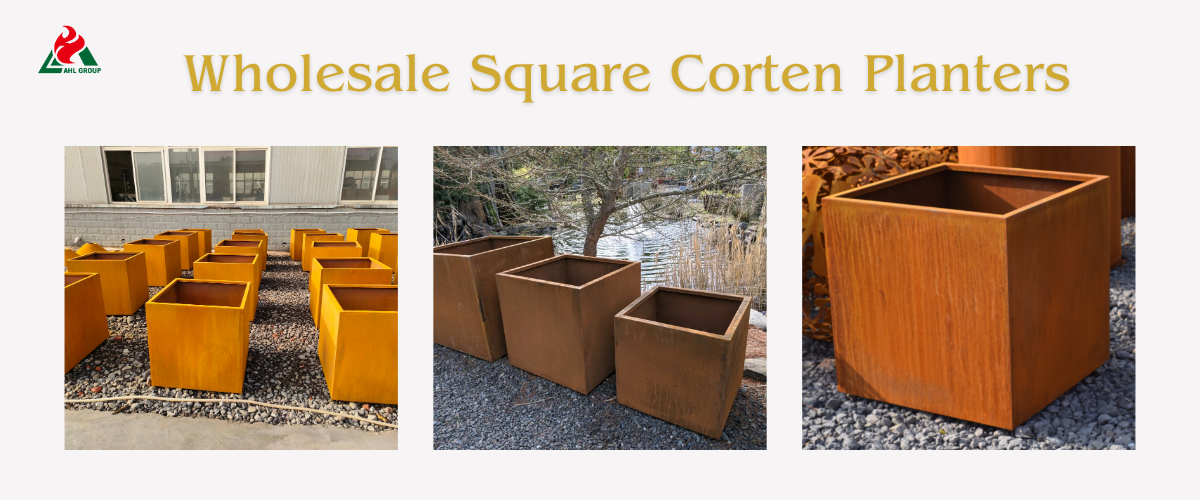
7. Proactive Solutions: How to Keep Roots Cool in Corten Planters
Solution 1: Choose the Right Size—Bigger Is Better
Always select the largest possible flower pot for your space. The extra volume serves as the most effective “insurance policy” against high temperatures.
Solution 2: Layout Strategy—Manage Sun Exposure
Position tall or trailing plants (like ivy) on the sun-facing side of the pot to provide shade for the metal walls themselves.
Solution 3: Double-Potting Method—Air Insulation Layer
Nest a slightly smaller plastic inner pot inside the weathering steel planter. The air gap between the two containers creates an insulating layer, blocking direct heat transfer to the soil.
Solution 4: Light-Colored Mulch — Reflecting Heat
Spread a thick layer of light-colored gravel or wood chips over the soil surface to prevent sunlight from heating the soil from above.
Solution 5: Scientific Watering — Utilizing Evaporative Cooling
Install a drip irrigation system to maintain consistent soil moisture. During intense heatwaves, watering in the early morning creates a cool environment that lasts through peak sunlight hours.
Solution 6: Plant Selection – Choosing Heat-Tolerant Varieties
For south-facing Corten installations, choose species that naturally thrive in rocky, hot environments.
8. Design Features That Mitigate Heat (What to Look For)
Double-Layer Construction: Built-in Insulation Layer
Premium Corten outdoor planters often feature double-walled side panels with an internal air cavity or foam insulation layer, engineered for extreme climates.
Elevated Base: Bottom Air Circulation
Planters with “feet” or recessed bases allow air to circulate beneath the pot, preventing heat transfer from stone patios to the planter's base.
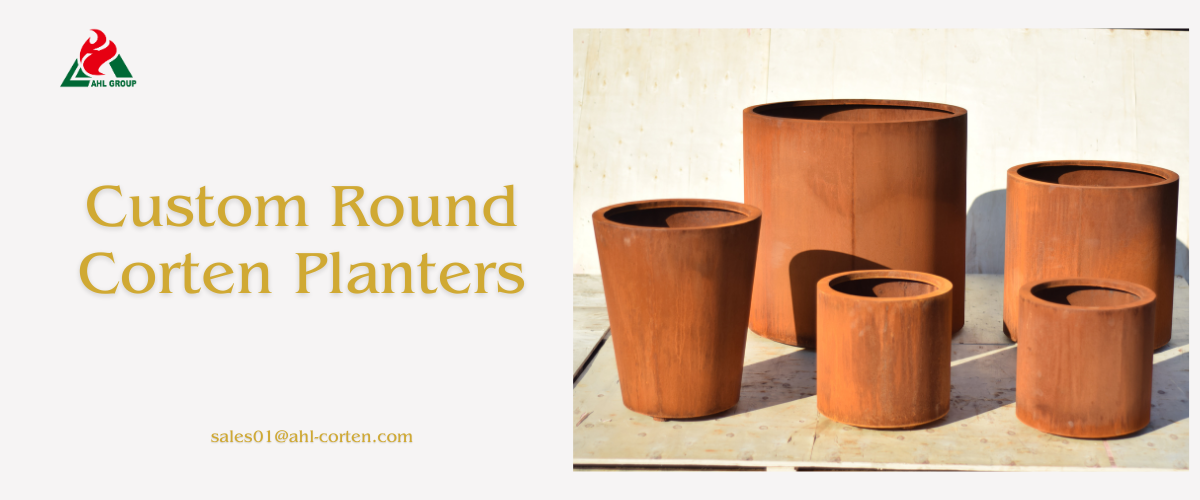
Conclusion: Embrace the Beauty of Corten Steel
Heat within Corten steel planters is a controllable physical variable, not a biological threat. By adhering to thermodynamic principles—choosing larger volumes, ensuring adequate moisture, and selecting suitable plant varieties—you can appreciate the architectural beauty of Corten steel while maintaining optimal garden conditions.
【Explore AHL Group's product series, where we deliver enduring durability and plant health assurance specifically engineered for planter design!】

