


Outdoor privacy screens have become iconic elements in modern landscape design, with Corten steel screens ranking among the most popular choices today. Their warm, rusted texture, exceptional durability, and architectural aesthetic appeal make them ideal for gardens, patios, and commercial outdoor spaces. However, while these metal screens offer stunning visual impact, proper installation is crucial. Without proper installation methods and anchoring systems, even heavy steel panels can lose stability under strong wind conditions.
Many homeowners and landscape designers share the same question: How can CORTEN steel screens be installed to prevent wind-induced collapse? The answer lies in understanding wind load principles, selecting the correct installation method, and ensuring the screen is securely anchored to the ground or building structure. Whether installing decorative garden dividers, privacy screens, or freestanding feature panels, stability remains the paramount consideration.
This guide details how to safely and securely install weathering steel screens, covering installation methods, recommended anchoring techniques, and professional advice to ensure your outdoor screens remain stable for years to come.
.png)
Many homeowners and landscape designers share the same question: How can CORTEN steel screens be installed to prevent wind-induced collapse? The answer lies in understanding wind load principles, selecting the correct installation method, and ensuring the screen is securely anchored to the ground or building structure. Whether installing decorative garden dividers, privacy screens, or freestanding feature panels, stability remains the paramount consideration.
This guide details how to safely and securely install weathering steel screens, covering installation methods, recommended anchoring techniques, and professional advice to ensure your outdoor screens remain stable for years to come.
1. Why Proper Installation of Corten Steel Screens Is Important
Wind Load and Outdoor Stability Challenges
Outdoor structures endure constant erosion from natural forces such as wind, rain, and temperature fluctuations. Despite the high strength and durability of weathering steel, large screen panels may still exhibit a sail effect under wind loads. If panels are not properly anchored, wind pressure can cause the screen to swing back and forth, leading to tilting, loosening, or even falling.
Wind loads are influenced by multiple factors, including screen dimensions, design patterns, and installation location. Solid panels resist wind better than laser-cut or perforated designs due to their airtight structure. Tall screens exert greater leverage on their bases, increasing the risk of instability.
Therefore, professional installers must assess wind exposure before installing outdoor screens. Screens placed in open courtyards or rooftop terraces require significantly stronger anchoring than those installed in sheltered garden corners.
Common Problems Caused by Poor Installation
Improper installation can lead to multiple issues, compromising both safety and aesthetics. One of the most common problems is panel displacement, where screens may exhibit slight swaying during strong winds. Prolonged swaying can cause mounting bolts to loosen or damage the supporting structure.
Another frequent issue is uneven tilting, typically caused by insufficient column embedment depth or improper base plate fixation. Even minor tilting can worsen over time, becoming particularly noticeable on tall decorative screens.
In extreme cases, improperly installed screens may collapse entirely, causing damage to surrounding plants, furniture, or structures. Therefore, investing time to master correct installation techniques is crucial for long-term stability and safety.
2. Understanding Corten Steel Screens
What Is a Corten Steel Screen?
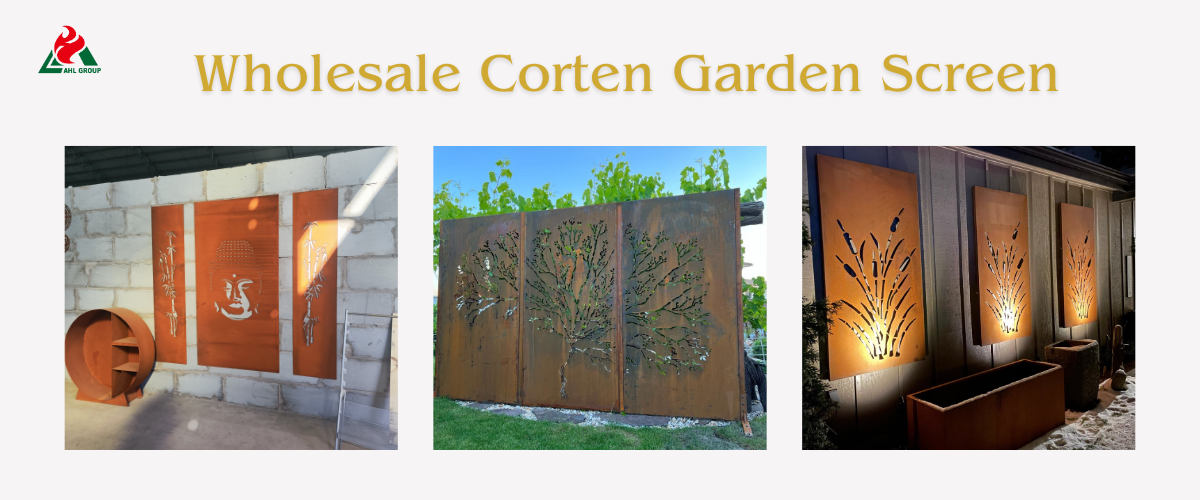
Durable steel screens are decorative metal panels crafted from weathering steel, which naturally develops a protective rust patina over time. These panels are commonly used in landscape design as privacy screens, decorative walls, garden dividers, or architectural accent features.
Unlike ordinary steel requiring paint or coatings, weathering steel develops a stable protective oxide layer that effectively blocks further corrosion. This property makes it particularly suitable for outdoor environments exposed to long-term weathering from wind, rain, and sunlight.
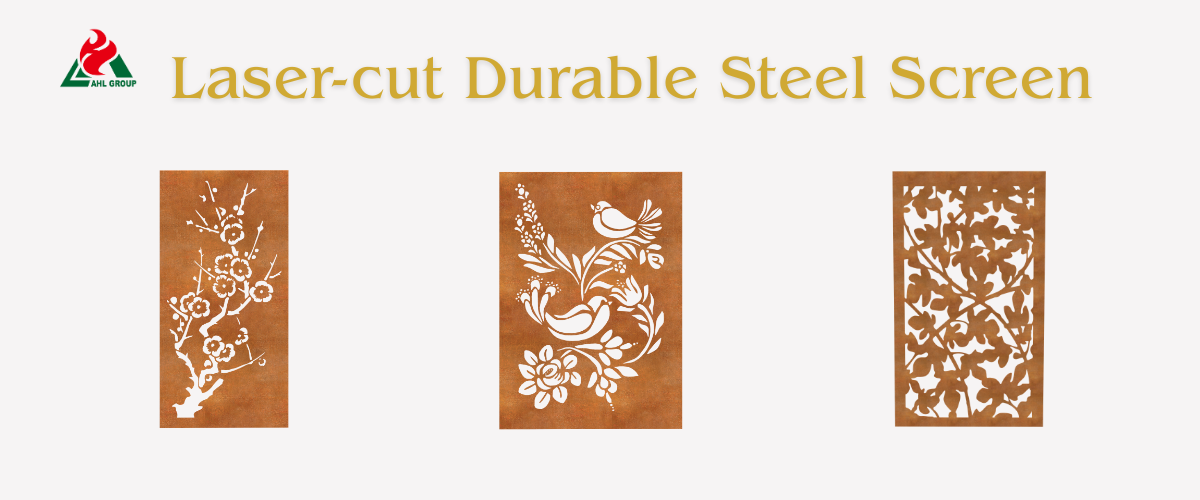
Corten screen panels are often laser-cut, allowing designers to enhance outdoor aesthetics with intricate decorative patterns while balancing privacy protection with airflow functionality.
Why Corten Steel Is Ideal for Outdoor Use
Compared to other materials used for garden screens, weathering steel offers multiple advantages. First, its naturally formed rust layer eliminates the need for regular painting or sealing. As weathering progresses, the surface actually becomes stronger and more protective.
Second, weathering steel boasts exceptional durability, withstanding decades of harsh weather conditions. Numerous outdoor installations maintain structural integrity for 20 years or longer with minimal maintenance.
Finally, the unique earthy patina of weathering steel complements diverse landscape styles—seamlessly integrating into gardens featuring modern architecture or rustic outdoor settings alike.
3. Key Factors That Affect the Stability of Corten Screens
Screen Size and Weight
The dimensions of screen panels are one of the key factors determining installation stability. Larger panels generate greater wind resistance, thus requiring a more robust anchoring system.
Typical decorative screens range in height from 1.5 to 2 meters, while large architectural panels can exceed 2.5 meters. Taller panels exert greater leverage on the base, making deep anchoring critical.
Weight also impacts stability. Although weathering steel is heavy, its weight alone is insufficient to prevent displacement during strong winds.
Wind Exposure and Installation Location
The installation location significantly impacts the interaction between the wind and the screen. Compared to enclosed patios or courtyards, open areas such as rooftops, seaside gardens, and large lawns experience stronger wind forces.
If the screen is installed in a highly exposed location, reinforced posts or concrete foundations may be required to enhance stability.
Ground Surface Type
Different ground surfaces require distinct installation techniques.
► On concrete surfaces, the screen can be directly bolted to the ground using a base plate.
► In soil or lawn areas, the posts must be embedded in the ground along with a concrete foundation.
► Wooden decks may require structural reinforcement before installation.
Selecting the correct installation method for the specific ground surface is crucial to prevent screen displacement or structural instability.
4. Installation Methods to Prevent Corten Screens from Blowing Over
Method 1 – Installing with Concrete Footings
Concrete foundations provide the most robust and reliable installation method for freestanding screens. This approach involves embedding steel columns underground and securing them with concrete.
Concrete foundations evenly distribute loads, preventing column displacement under wind pressure.
Step-by-Step Concrete Base Installation
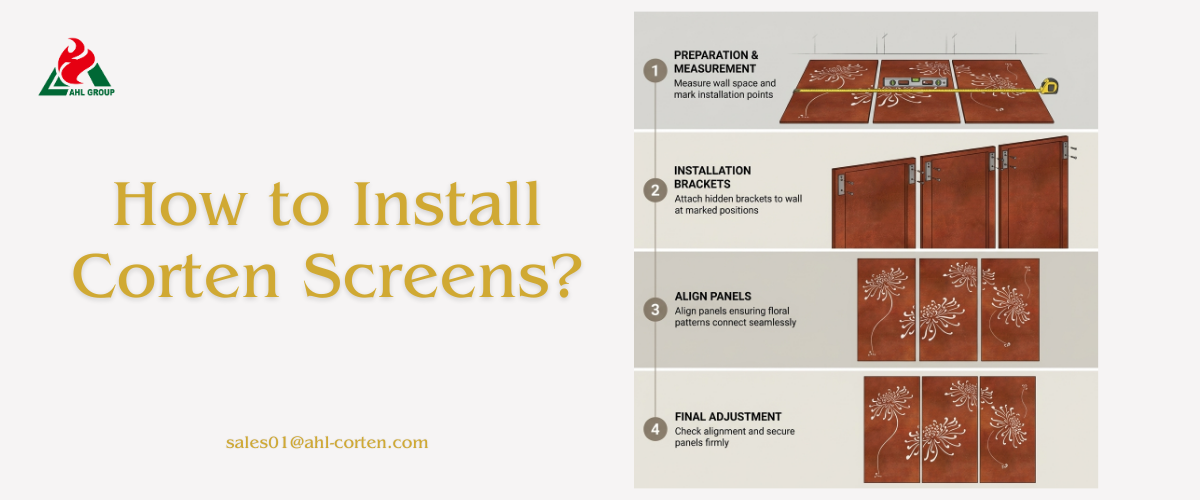
1. Mark the installation positions for the screen posts.
2. Dig foundation pits approximately 60-80 cm deep according to the screen height.
3. Place steel support posts into the foundation pits and ensure they are level.
4. Pour concrete into the foundation pits to secure the posts.
5. Allow the concrete to cure for at least 24-48 hours before installing the screen panels.
This method is widely used for garden privacy screens and large decorative panels.
Method 2 – Mounting to a Steel Frame or Posts
Another common method involves securing the screens to a prefabricated steel frame. The steel frame serves as a support structure, enabling wind pressure to be distributed more evenly across the screen panels.
This steel frame proves particularly practical for large-scale installations or multi-screen configurations, where multiple screens can form a continuous decorative wall.
Method 3 – Anchoring Screens to Existing Walls
If the screen is installed near a wall, it can be directly secured to the building structure using brackets or bolts. This installation method is commonly used for decorative screens on building facades, fences, or garden walls.
Wall mounting provides strong support while reducing the need for deep foundation excavation.
Method 4 – Ground Spike Installation
For smaller decorative screens in garden flower beds, ground stakes or metal posts can be used for anchoring. These metal posts must be driven into the soil and then connected to the screen's base.
While this installation method is quicker, it is typically only suitable for small or lightweight screens, as larger screens require a more robust anchoring system.
5. Recommended Depth and Anchoring Standards
Typical Post Depth Guidelines
For freestanding rust steel screens, common specifications require burying at least one-third of the column height underground. For example, a 2-meter-tall screen typically requires burying the column approximately 60 to 70 centimeters below ground level.
This burial depth provides sufficient resistance against wind overturning forces.
Spacing Recommendations for Large Panels
Large screens should be supported by multiple columns to evenly distribute weight. Panels exceeding 1.2 meters in width typically require at least two support points.
For multi-panel installations, column spacing should be consistent to maintain structural integrity.
6. Tools and Materials Required for Installation
Installing Corten outdoor screens typically requires the following tools:
► Post hole digger or auger
► Level
► Concrete mix
► Steel posts or frame
► Drill and mounting bolts
► Protective gloves and safety gear
Using the appropriate tools ensures a secure and professional installation.
7. Professional Tips to Improve Wind Resistance
Use Reinforced Frames
Adding steel frames around panels enhances rigidity and reduces bending deformation under wind pressure.
Select Perforated or Laser-Cut Designs
Decorative patterns allow air to pass through the screen, reducing wind resistance and improving stability.
Combine Multiple Panels
Connecting multiple panels creates a sturdier structure that distributes wind forces more evenly.
8. Common Installation Mistakes to Avoid
One common mistake is insufficient post burial depth, which compromises stability. Another widespread issue is failing to check alignment before concrete sets.
Some installers also underestimate wind effects, particularly in open areas where wind speeds can increase significantly.
Avoiding these errors helps ensure installations are secure and long-lasting.
9. Maintenance Tips After Installation
Weathering steel requires minimal maintenance, but periodic inspections are recommended. Periodically check installation bolts and support columns to ensure all components are secure and undamaged.
If dirt or debris accumulates on the panel surface, simply rinse with water. The natural rust layer will continue to protect the steel without requiring additional treatment.
10. Why Corten Steel Screens Are a Long-Term Outdoor Solution
Weathering steel screens combine exceptional durability, design flexibility, and low maintenance. Their naturally weathered appearance evolves over time, adding unique character to outdoor spaces.
When professionally installed, these screens withstand decades of harsh weather while maintaining structural integrity.
For property owners, architects, and landscape designers, weathering steel screens deliver functional privacy in outdoor settings while showcasing artistic appeal.
Conclusion: Enhance Your Outdoor Oasis with Industrial Corten Steel Screens
When installing Corten screens, careful planning and proper anchoring methods are essential to prevent them from being blown over by wind. Factors such as screen dimensions, wind exposure levels, and ground conditions all influence the installation process.
The most reliable solution typically involves embedding support columns in concrete. However, depending on specific circumstances, wall-mounted installations or steel framing can also provide robust stability.
Adhering to standard installation procedures and avoiding common pitfalls will ensure your Corten metal screen remains secure, functional, and visually striking for years to come.
FAQs About Corten Screens
Q: 1. How deep should the columns for Corten steel screens be buried?
Columns typically require burial to a depth of 60-80 centimeters, with the exact depth determined by the screen height and local wind conditions.
Q: 2. Can Corten screens be installed without concrete?
Smaller screens may use base plates or ground anchors, but concrete foundations provide greater stability for large panels.
Q: 3. Are laser-cut weathering steel screens more wind-resistant?
Yes. Perforated or laser-cut designs allow airflow, reducing wind pressure on the panels.
Q: 4. What is the typical weight of a Corten screen panel?
Weight varies by size and thickness, but most decorative panels range between 15 and 40 kilograms.
Q: 5. Do weathering steel screens require maintenance?
Weathering steel requires minimal upkeep. The natural rust patina protects the metal surface, typically needing only occasional cleaning.

