


Due to their unique rust-colored appearance, durability, and low-maintenance characteristics, Corten steel cladding panels are becoming increasingly popular in modern architecture. Unlike traditional steel, weathering steel forms a stable, protective layer of rust that helps slow further corrosion. However, a common concern among homeowners, architects, and builders is whether Corten steel cladding panels will stain nearby surfaces.
The answer is: Yes, Corten steel exterior cladding can cause staining, especially during the initial weathering phase. This does not indicate a quality issue with the material. In most cases, rust runoff is a natural phenomenon of the weathering process and occurs as the steel’s surface transitions from its initial metallic sheen to a mature, protective rust layer.
When applying weathering steel to exterior walls, building facades, garden structures, or commercial buildings, it is crucial to understand the mechanisms behind staining and how to address it. Through proper detailing, drainage planning, and installation methods, unnecessary staining can be significantly reduced.
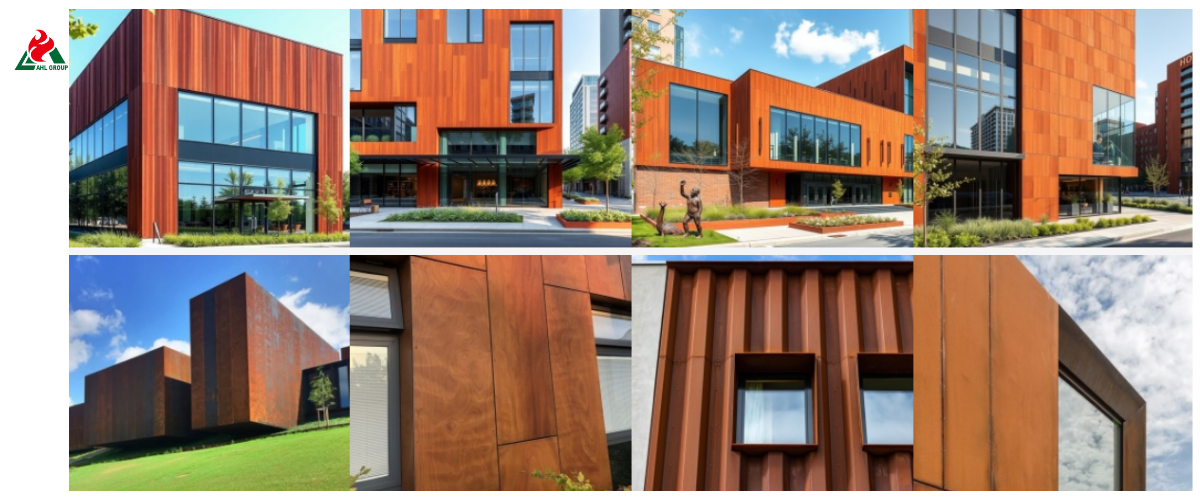
The answer is: Yes, Corten steel exterior cladding can cause staining, especially during the initial weathering phase. This does not indicate a quality issue with the material. In most cases, rust runoff is a natural phenomenon of the weathering process and occurs as the steel’s surface transitions from its initial metallic sheen to a mature, protective rust layer.
When applying weathering steel to exterior walls, building facades, garden structures, or commercial buildings, it is crucial to understand the mechanisms behind staining and how to address it. Through proper detailing, drainage planning, and installation methods, unnecessary staining can be significantly reduced.
1. Introduction
Why Rust Can Be a Hidden Hazard for Corten Exterior Cladding
Weathering steel, commonly known as Corten, has become a favored material among architects, landscape designers, and high-end developers. Its striking rust patina—which gradually evolves from a bright, industrial amber to a deep, velvety dark brown—adds undeniable depth to modern building facades. However, when specifying a Corten finish for a building’s exterior, a critical question inevitably arises: Will the rust bleed and stain nearby surfaces? If left unchecked, rust staining can damage high-end architectural finishes, leading to frustration for property owners, unexpected cleaning costs, and even long-term litigation stemming from material specification errors.
Why Corten Steel Stains Adjacent Surfaces
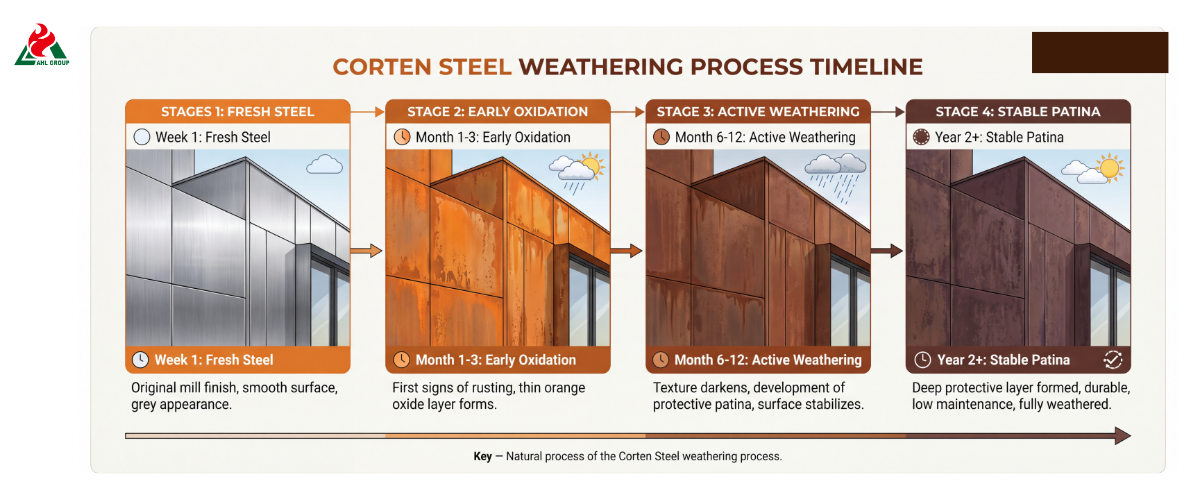
The beautiful rust patina that protects Corten steel is formed through a controlled oxidation process. When exposed to rain, moisture, and atmospheric oxygen, the outer layer of the steel rusts. In the early stages of this process, the oxide film is loosely bonded to the metal core. Rainwater flowing over vertical cladding panels mechanically dislodges these tiny, loose iron oxide particles. This rust-laden water flows downward by gravity until it comes into contact with the ground or adjacent structural members. If these contact surfaces are porous, they absorb the mineral-rich water, resulting in permanent stains.
Topics Covered in This Guide
Based on established principles of metallurgical chemistry and structural curtain wall engineering, this guide analyzes the specific mechanisms of weathering steel efflorescence. We will explore which structural materials are most susceptible to iron oxide stains, identify the climatic and structural conditions that trigger severe efflorescence, detail the physical and chemical mitigation strategies employed by professional architects, and provide field-proven remediation methods for removing existing rust stains from masonry, wood, and concrete surfaces.
2. Will Corten Cladding Stain Nearby Surfaces
Short Answer
Yes, an untreated Corten steel finish will stain adjacent porous surfaces. During the active weathering phase, the migration of iron oxide is a scientifically proven phenomenon. Any object or structural material located directly beneath untreated weathering steel or within its immediate splash zone will absorb rust-containing runoff, resulting in vivid orange, amber, or brown stains. However, this “staining” phenomenon is neither permanent nor uncontrollable. Through proper architectural design and construction, staining can be fully controlled or prevented.
Conditions Most Prone to Staining
Staining is most severe during the first 12 to 24 months after the surface is exposed to the natural environment. At this stage, the protective layer is actively forming and has not yet fully cured. Staining peaks during heavy rainstorms accompanied by strong winds following prolonged droughts, as well as in geographic areas with high atmospheric humidity or those affected by salt fog or industrial acidic substances, as these factors accelerate the dissolution of iron on the surface.
When Staining Is No Longer a Concern
Once steel has developed a mature, stable crystalline rust layer, staining is no longer a major construction risk. Furthermore, staining is no longer a concern when runoff drains directly into concealed gravel retention ditches, soft landscaping, open lawn areas, or dark, impermeable paving materials (such as black granite, dark basalt, or charcoal-gray pavers). In these situations, iron oxide naturally seeps into the soil or blends in with the dark materials beneath, making it virtually unnoticeable.
3. Why Corten Causes Stains
The Principles of the Weathering Process
Weathering steel differs from standard carbon steel in that it contains specific alloying elements—primarily copper, chromium, nickel, and phosphorus. When subjected to alternating wet and dry environmental cycles, these alloys promote the formation of a dense, highly stable, and non-porous layer of iron oxide known as goethite. This microscopic crystalline barrier bonds tightly to the underlying steel, permanently blocking the supply of oxygen and moisture required to trigger deeper, destructive corrosion.
Why Rust-Colored Water Runs Off in the Early Stages
During the initial wet-dry cycling phase, surface oxidation produces a mixture of highly soluble iron compounds, including flaky hematite and magnetite. Because the crystal structures of these early minerals are loose and irregularly arranged, they do not adhere well to the steel. Rainwater easily washes away these free iron molecules floating on the vertical surface of the cladding. It is precisely this chemical migration mechanism that carries the intense orange-colored deposits to the building’s foundation.
Why Are Porous Materials More Prone to Stains
Porous materials such as concrete, limestone, brick, and unsealed wood are riddled with microscopic networks of capillaries. When iron-rich water splashes onto these surfaces, capillary action draws the water deep into the stone or wood matrix. As the water evaporates, insoluble trivalent iron compounds remain in the mineral pores and chemically bond with them. This makes the resulting stains extremely stubborn, as they are not merely adhering to the surface but are deeply embedded within the material.
4. Surfaces Most at Risk
Concrete
Cast-in-place concrete used in construction and light-colored precast concrete slabs are most susceptible to permanent staining caused by Corten steel. The high alkalinity of concrete (pH 12–13) reacts chemically with acidic iron-rich seepage, accelerating the precipitation of deep orange-brown iron hydroxide crystals. These crystals fill the porous cement paste, forming conspicuous and irreversible stain patterns that are extremely difficult to remove.
Stone and Masonry
Porous natural stones, including light-colored granite, limestone, travertine, and sandstone, are highly susceptible to rust damage. Because these stones are chemically reactive and highly absorbent, they draw iron-rich seepage deep into their pores. Terracotta finishes, traditional clay bricks, and mortar joints are also severely affected by staining, transforming clean joints and surfaces into a mottled, uneven orange-brown color.
Wood and Wooden Decks
The appearance of unsealed wooden decks and exterior wall cladding can be easily ruined once they come into contact with metal leachates. Organic tannins found in woods such as cedar, redwood, and oak react chemically with iron oxide particles. This reaction produces deep blue-black metal stains (ferric tannate) that resemble ink splatters, destroying the warm, natural texture of the wood.
Paving Bricks and Paving Joints
Sidewalks, walkways constructed with concrete pavers, and paving joints filled with sand beneath Corten steel components are all primary targets for surface runoff. The sandy joint fill acts as a natural filter, trapping rust particles as they flow through. Over time, this leads to a gradual accumulation of iron oxide, eventually forming dark, unsightly rust streaks on the walkway.
Painted or Coated Surfaces
Although painted walls or powder-coated aluminum window frames are non-porous materials, they are still at risk. Iron-containing runoff flowing down painted walls leaves unsightly dry rust marks. Over time, UV exposure “bakes” these iron particles directly into the paint or polymer coating, at which point sanding and polishing or a complete repainting will be required to repair the damage.
5. When Staining Is Most Common
Early Weathering Stage
The peak risk period for adjacent surfaces occurs within the first 6 to 12 months of exposure to the environment. During this period, exterior wall finishes undergo rapid and uncontrolled chemical oxidation, releasing the greatest amount of loose rust particles. Building owners must remain highly vigilant during this active weathering stage.
After Heavy Rain or Washing
Any situation that causes a large volume of fast-moving water to wash over the exterior walls can trigger a surge in runoff. Heavy rain, melting snow, and manual washing with a garden hose can all wash away loose surface rust particles, causing highly concentrated orange-colored water to run down the building’s facade.
When Water Pools or Drips
If standing water or persistent dripping at vertical joints, panel corners, and flashing areas is not addressed promptly, it can cause severe staining in localized areas. If rainwater repeatedly drips onto the same spot on the stone patio below, it will quickly erode the sealant and allow iron-containing stains to seep deep into the stone.
On Poorly Drained or Horizontal Surfaces
If the ground beneath the Corten cladding is flat, slopes slightly toward the building, or lacks proper drainage channels, runoff containing rust can accumulate. As these puddles slowly evaporate in the sun, they leave behind a thick, concentrated crust of iron oxide dust, which permanently stains the surrounding concrete or tile.
6. How to Reduce the Risk
Allowing the Rust Layer to Stabilize Before Installation
One of the most effective ways to reduce the risk of staining is to pre-weather the Corten steel cladding before installing it on the facade. By placing the cladding panels in a dedicated weathering yard and spraying them with a saltwater solution for several weeks, the steel can safely develop an initial, loose rust layer away from expensive stone surfaces. Once the rust layer has stabilized and become dense, the panels can be safely transported to the site and installed.
Design Appropriate Drainage Details
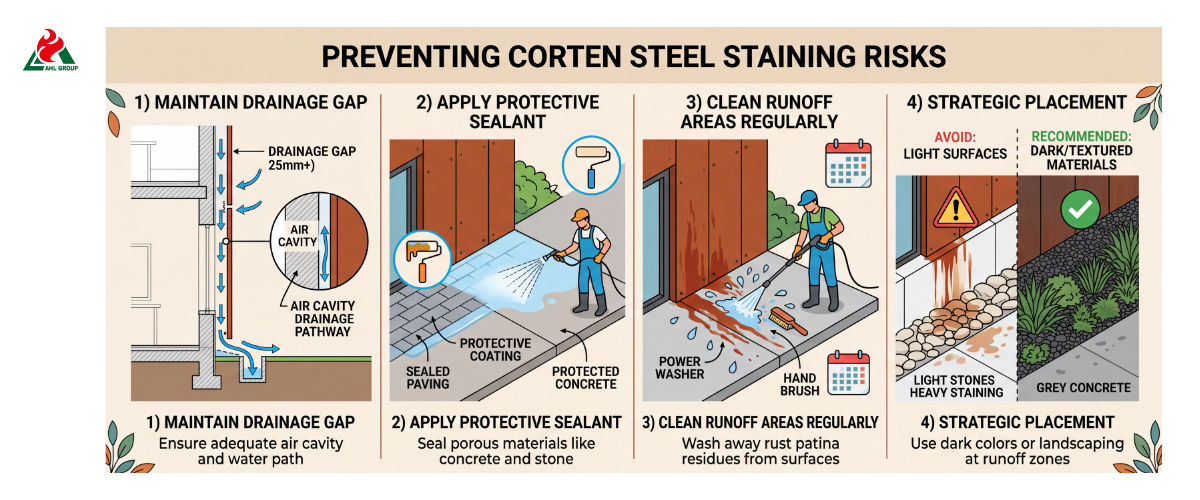
Architects can completely prevent damage caused by runoff by designing proper drainage paths. This includes installing dedicated gravel troughs, dark-colored stone drainage channels, or underground French drains directly beneath the clad walls. In this way, water saturated with rust can drip directly into the concealed drainage layer, completely bypassing the clean sidewalks.
Provide a Separation Gap
Never allow Corten steel siding to come into direct, tight contact with porous ground materials. Ensure there is a physical separation gap of at least 2 to 3 inches between the lower edge of the metal cladding and the finished ground surface. This gap prevents moisture from rising the wall and prevents the metal cladding from coming into direct contact with damp soil, thereby preventing premature corrosion.
Use Drip Edges or Flashing
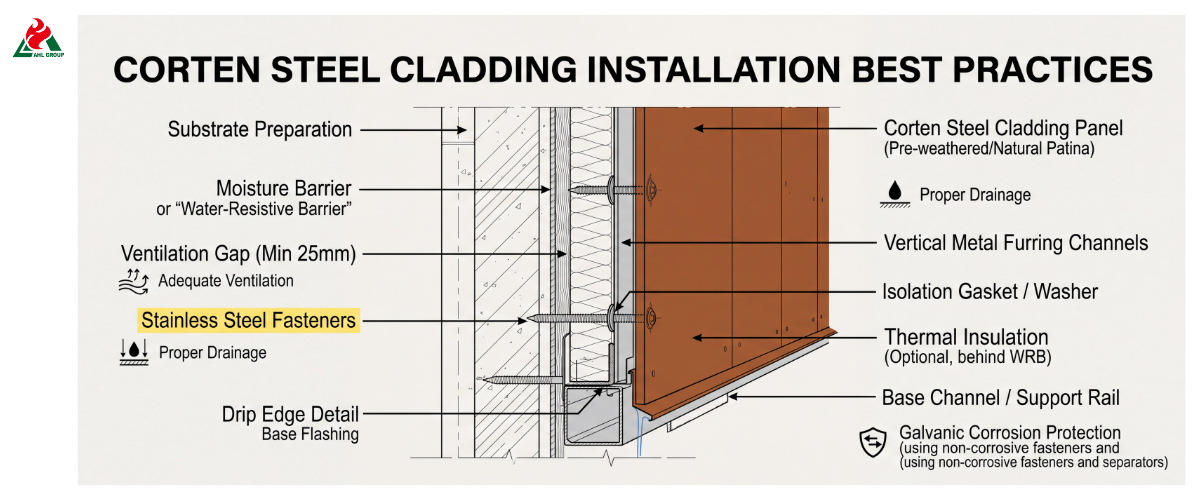
Installing custom-formed drip edges, gravel guards, and architectural flashing made from compatible materials—such as powder-coated aluminum or stainless steel—is a highly effective method for managing rainwater runoff. These flashing components collect rainwater flowing down the exterior wall panels, divert it away from the building facade, and safely direct it into downspouts and drainage lines.
Protect Adjacent Materials
During the construction phase and the first year of weathering, wrap nearby stone columns, concrete walkways, and wooden decks with heavy-duty plastic sheeting or temporary adhesive protective film. Keeping these surfaces sealed during the peak period of color bleeding prevents iron particles from coming into contact with your intact hardscape.
7. Sealing and Protective Treatments
When to Seal
If your exterior wall cladding is adjacent to a high-traffic pedestrian area, or if you need to protect light-colored concrete sidewalks from rainwater runoff, applying a specialized clear sealer can be highly beneficial. A high-quality matte sealer will lock loose rust particles in place, prevent rust stains from seeping through, and keep the surrounding ground clean.
Situations Where Sealing Is Not Recommended
For the exterior walls of large buildings, sealing the entire surface is generally not recommended. Clear sealants continue to degrade under intense UV exposure and extreme weather conditions, meaning they must be stripped and reapplied every few years to remain effective. For large buildings, this ongoing maintenance is extremely costly and labor-intensive; therefore, managing rainwater runoff through proper drainage design is a wiser choice.
Advantages and Disadvantages of Transparent Sealants
► Advantages: Immediately stops early rust stains from seeping through; protects nearby high-end stone from staining; prevents dry rust dust from transferring to people’s clothing.
► Disadvantages: Requires periodic reapplication; may peel or turn a cloudy white if moisture accumulates underneath; may trap moisture inside the metal, thereby interfering with the natural rusting process.
Impact of Coatings on Appearance
Any chemical clear coat or sealant will alter the natural appearance of weathering steel. Film-forming sealants tend to deepen the rust tones and add sheen, which may make the metal look like an artificial material. To preserve Corten steel’s original, velvety, and naturally textured finish, be sure to choose a high-quality, non-film-forming, ultra-matte penetrating sealant.
8. Installation Best Practices
Planning the Exterior Cladding Layout
When designing the exterior cladding layout, carefully plan the placement of panels while taking wind direction and weather conditions into account. Corten metal cladding should be positioned away from main entrances, narrow sidewalks, and high-traffic seating areas to prevent guests from accidentally touching the weathering steel surface or stepping into puddles of rusty water.
Rainwater Drainage Path Management
Ensure that the building facade has clear, dedicated rainwater drainage paths. Use recessed gutters, custom rainwater channels, and concealed downspouts to collect rainwater flowing down the exterior wall panels and safely direct it away from the building, preventing rusty water from running down the exterior surfaces of other materials.
Protecting the Lower Surfaces
If your design features a Corten steel facade on the upper sections and a light-colored material on the lower sections, use wide horizontal metal eaves or drip edges to protect the lower areas. These eaves catch rust runoff and direct it away from the lower walls, keeping the brick or stucco walls at the base clean.
Check Slope and Drainage
Ensure that all horizontal surfaces beneath the weathering steel cladding have a minimum outward slope of 2%, with the slope directed away from the building. This slope ensures that any rust-containing water that falls to the ground is quickly drained into a gravel trench or drainpipe, rather than pooling on concrete surfaces and leaving stubborn stains.
9. How to Remove Existing Stains
Cleaning Concrete
If iron oxide efflorescence has left stains on the concrete, you can clean them using a chemical rust remover. Apply an oxalic acid- or phosphoric acid-based cleaner directly to the stain, let it sit for 10 to 15 minutes to dissolve the iron crystals, then scrub the area with a stiff nylon brush, and finally rinse the concrete surface thoroughly with clean water.
Cleaning Stone and Masonry
Natural stone is extremely sensitive to acidic cleaners, which can dull the stone’s luster or corrode its surface. To safely clean stone, use a pH-neutral chemical rust remover or mix a specialized treatment powder with the rust remover. Apply the treatment to the stain, cover it with plastic wrap, and let it sit overnight to draw the iron out of the stone’s pores; gently scrape it off the next day.
Cleaning Wooden Surfaces
To remove deep blue-black iron tannin stains from wooden decks and exterior siding, use a concentrated wood brightener containing oxalic acid. This acid breaks down the chemical bonds between the wood tannins and iron particles, restoring the wood’s natural golden-brown color without damaging the wood fibers.
10. Mistakes to Avoid
Installing Weathering Steel Too Close to Porous Surfaces
Installing untreated Corten steel cladding walls directly against light-colored concrete sidewalks or high-end limestone columns is a major design flaw. Without proper separation gaps or dedicated drainage channels, the inevitable flow of rust water will quickly damage your high-end masonry.
Ignoring Rust Runoff in the Early Stages
It is a costly misconception to assume that weathering steel will not leach rust liquid during its first year of weathering. Failure to lay temporary protective plastic sheeting over nearby paving stones during the peak weathering period will ultimately necessitate a difficult and expensive acid-washing cleanup.
Failure to Plan for Drainage
Omitting a gravel drip channel, proper flashing, or a sloped drainage path beneath vertical cladding panels will inevitably lead to staining issues. Without a clear drainage path, rust-laden runoff will pool on sidewalks, leaving thick, dark rust crusts.
Assuming Corten Steel Never Stains
It is a common misconception to believe that weathering steel is a completely maintenance-free material that never stains, regardless of installation conditions. While this steel is extremely durable and self-protective, managing its interaction with surrounding building materials is critical to a successful design.
11. Frequently Asked Questions
Q1: Do All Weathering Steel Finishes Experience Bleeding?
Yes, all genuine weathering steel finishes will experience varying degrees of iron oxide bleeding during the first 12 to 24 months of outdoor exposure. The extent of bleeding depends on local climate conditions, but to protect surrounding materials, this initial bleeding must be properly managed.
Q2: How Long Does the Discoloration Last?
After 12 to 24 months of natural outdoor weathering, active rust bleeding typically decreases significantly. Once the steel has formed a dense, mature, and self-protective crystalline rust layer, the surface will no longer shed loose iron particles, and the risk of discoloration will drop to near zero.
Q3: Can Sealing Completely Prevent Staining?
Applying a high-quality, UV-resistant outdoor matte sealer creates a protective barrier on the metal surface, temporarily halting rust bleeding. However, since transparent sealers degrade when exposed to the sun and rain, they must be reapplied every few years to maintain full protection.
Q4: Is Rusting a Sign of a Problem?
No. Rust seepage in the early stages is completely normal and healthy, indicating that your weathering steel is oxidizing as it should. The shedding of loose iron particles is an essential step in the chemical reaction; it is through this process that the steel forms a protective, self-healing rust layer.
Conclusion: Key Points About Rust Stains
Rust stains are a natural and temporary phenomenon that occurs during the weathering process of weathering steel. Although unmanaged runoff can easily leave stains on porous materials such as concrete, stone, and wood, understanding the underlying metallurgical principles allows architects and contractors to easily manage and control this staining through thoughtful design choices.
Corten steel façades represent an exceptional and durable building material that adds rich color and an industrial aesthetic to any structure. By carefully planning drainage layouts, protecting nearby hardscape during the first year of Corten steel weathering, and avoiding common installation mistakes, you will be able to enjoy the stunning appearance of Corten steel for decades to come while keeping your property spotless and stain-free.

