


Metal garden planters have become a classic element in modern landscape design. From contemporary residential gardens to large-scale commercial landscapes, metal planter boxes—especially those crafted from Corten steel—are highly favored for their durability, architectural aesthetics, and long-lasting performance. However, a common question persists when selecting steel planters: What is the optimal steel thickness for garden planters?
The thickness of steel used in planters directly impacts their strength, durability, weight, and overall performance. Opting for steel that is too thin may lead to deformation, bulging, or structural failure over time, especially when the planter is filled with heavy soil and exposed to outdoor weather conditions. Conversely, using excessively thick steel increases manufacturing costs and weight without offering significant practical benefits for certain planter sizes.
Therefore, understanding the optimal steel thickness for garden planters is crucial for homeowners, landscape designers, and commercial developers. This guide explores recommended thickness standards for different planter sizes, analyzes how steel thickness impacts durability, and provides practical recommendations for selecting the best materials for your outdoor space.
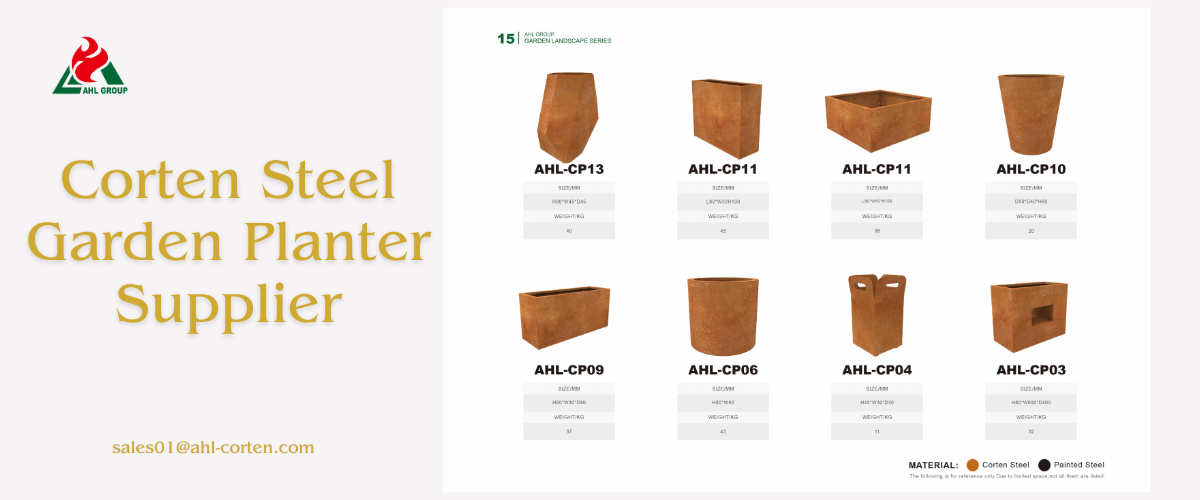
The thickness of steel used in planters directly impacts their strength, durability, weight, and overall performance. Opting for steel that is too thin may lead to deformation, bulging, or structural failure over time, especially when the planter is filled with heavy soil and exposed to outdoor weather conditions. Conversely, using excessively thick steel increases manufacturing costs and weight without offering significant practical benefits for certain planter sizes.
Therefore, understanding the optimal steel thickness for garden planters is crucial for homeowners, landscape designers, and commercial developers. This guide explores recommended thickness standards for different planter sizes, analyzes how steel thickness impacts durability, and provides practical recommendations for selecting the best materials for your outdoor space.
1. Why Steel Thickness Matters in Garden Planters
Structural Strength and Long-Term Durability
The thickness of steel plates is critical to the structural integrity of outdoor planters. When filled with soil, plants, and water, immense outward pressure builds against the walls. Sustained exposure to this pressure can cause thin metal walls to deform or bulge.
Thicker steel walls distribute pressure more effectively, maintaining the planter's shape even after years of use. This is especially critical for large planters or raised beds, which can hold hundreds of kilograms of soil.
For instance, a medium-sized planter measuring 100 cm long and 50 cm tall can hold over 200 kilograms of soil and water combined. Insufficient wall thickness may cause gradual bending and deformation. Consequently, professional landscape designers prioritize wall thickness when specifying Corten steel planters for permanent installations.
Preventing Warping, Bulging, and Deformation
Another critical reason why thickness matters is its resistance to deformation. Thin steel panels are prone to bending and warping under pressure, temperature fluctuations, or accidental impacts. Over time, these external forces can cause permanent distortion, compromising both the planter's appearance and functionality.
Thicker steel plates exhibit significantly higher rigidity. Even under extreme conditions, they maintain straight edges and precise geometric lines. This rigidity is particularly vital in contemporary landscape design, where planters often serve as defining architectural elements for outdoor spaces.
Selecting the appropriate thickness ensures planter pots retain their original form, safeguarding both structural integrity and the installation's aesthetic quality.
Impact on Planter Lifespan and Maintenance
The thickness of steel also impacts the outdoor lifespan of planters. Thicker metal materials offer greater resistance to corrosion, mechanical wear, and environmental stresses. Although weathering steel naturally develops a protective rust layer, the thickness of the underlying steel remains the key factor determining the product's ultimate longevity.
A well-designed Corten steel outdoor planter with adequate wall thickness can maintain structural integrity for over 20 years with minimal maintenance. However, thin-walled steel planters may deteriorate significantly faster when exposed to prolonged moisture and continuous soil contact.
2. Common Types of Steel Used for Garden Planters
Corten Steel (Weathering Steel)
Weathering steel, also known as Corten steel, is the most popular material for high-end garden planters. This steel alloy develops a protective rust patina when exposed to outdoor environments.
Unlike ordinary steel that corrodes continuously until damaged, the stable oxide layer formed on weathering steel effectively inhibits further corrosion. This makes it an ideal choice for planters exposed to rain, humidity, and sunlight in outdoor settings.
Owing to its exceptional durability and distinctive appearance, the thickness of Corten planters is typically meticulously engineered to achieve a perfect balance between structural integrity and aesthetic design.
Galvanized Steel
Galvanized steel is coated with a layer of zinc to prevent rust. While it offers corrosion resistance, it cannot develop the natural weathered appearance favored by many designers in outdoor landscaping.
Galvanized planters are typically lighter and more affordable than weathering steel planters, but may require repainting or recoating over time to maintain their appearance.
Stainless Steel
Stainless steel possesses exceptional corrosion resistance and is commonly used in modern construction projects. However, its price is significantly higher than that of weathering steel, and it is typically reserved for high-end installations requiring a polished metallic finish.
3. Standard Steel Thickness Options for Garden Planters
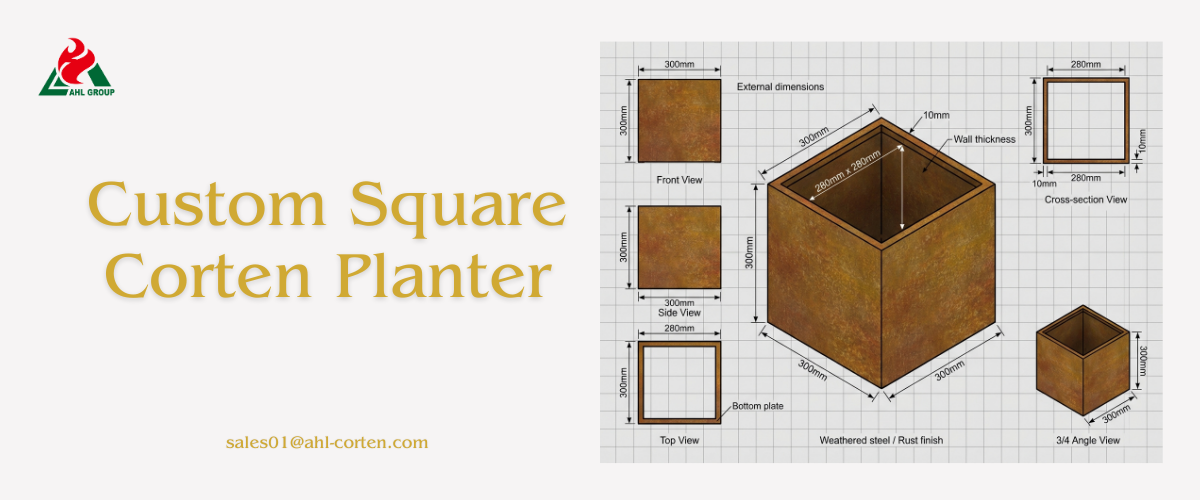
Different steel board thicknesses are commonly used in flower pot manufacturing, with each thickness serving specific functions based on flower pot size and application.
1.0mm — Lightweight Decorative Planters
Approximately 1.0mm steel plate thickness is typically used for small decorative planters suitable for indoor or sheltered environments. These planters are lightweight and easy to move, but may not meet the load-bearing requirements for large outdoor applications.
While suitable for small plants or herbs, this thickness may be too thin for large-capacity soil or permanent outdoor installations.
1.5mm — Medium-Strength Residential Planters
1.5mm thickness is often considered the minimum recommended standard for outdoor metal planter boxes. This thickness significantly enhances structural strength while maintaining relative portability.
Numerous residential garden planters utilize this specification, offering a favorable balance between durability and cost.
2.0mm — Heavy-Duty Outdoor Planters
Approximately 2.0mm steel plate thickness is widely used for medium to large outdoor planters. This thickness significantly enhances rigidity and resistance to soil pressure.
For numerous landscaping projects, 2mm-thick durable steel planters are considered an ideal choice, offering both exceptional durability and moderate weight.
3.0mm and Above — Commercial and Architectural Landscape Planters
Large-scale commercial installations often require 3mm or thicker steel to ensure structural stability. These metal planters are commonly found in public spaces, urban development projects, and architectural landscapes.
Thicker steel creates a more substantial visual impact, enhancing the overall design expressiveness of large outdoor planters.
4. Recommended Steel Thickness for Corten Garden Planters
Small Planters (Height under 40 cm)
Small planters designed specifically for herbs, flowers, or ornamental plants typically require steel plate thicknesses of 1.5 to 2 mm. The relatively small soil capacity of this size keeps internal pressure on the pot walls manageable.
Using slightly thicker steel still enhances durability, ensuring the planter maintains its shape over time.
Medium Planters (40-80 cm height)
Medium garden planters typically require a 2 mm steel plate thickness to provide adequate structural support. These planters are often used for large plants, shrubs, or small trees, where soil weight significantly increases.
Using thinner steel plates for this size may lead to bulging or deformation over time.
Large Planters (height exceeding 80 cm)
Large elevated planters or architectural-style planters typically require 3mm or thicker steel. The immense outward pressure generated by large volumes of soil makes thicker material essential to prevent structural issues.
Many professional landscaping projects specify thicker steel to ensure long-term reliability.
5. Factors That Influence the Ideal Steel Thickness
Pot Size and Soil Weight
Larger planters generate greater internal pressure from soil and water. This is the most critical factor in determining the optimal steel thickness for garden planters.
Outdoor Climate and Weather Conditions
Harsh weather, such as heavy rainfall, freezing temperatures, or coastal environments, accelerates wear on metal planters. Thicker steel provides enhanced resistance to environmental stress.
Drainage Design
Poor drainage in planters may lead to prolonged water accumulation, increasing corrosion risks. Well-designed drainage holes and liner systems help protect the steel surface.
Installation Type
Freestanding planters require thicker steel for stability, while embedded planters supported by surrounding structures can use slightly thinner materials.
6. Steel Thickness vs Planter Weight and Cost
| Steel Thickness |
Typical Use | Weight | Cost |
| 1.0 mm |
Decorative indoor planters | Very light | Low |
| 1.5 mm |
Small outdoor planters | Light | Moderate |
| 2.0 mm |
Medium garden planters | Medium | Higher |
| 3.0 mm+ |
Large commercial planters | Heavy | Premium |
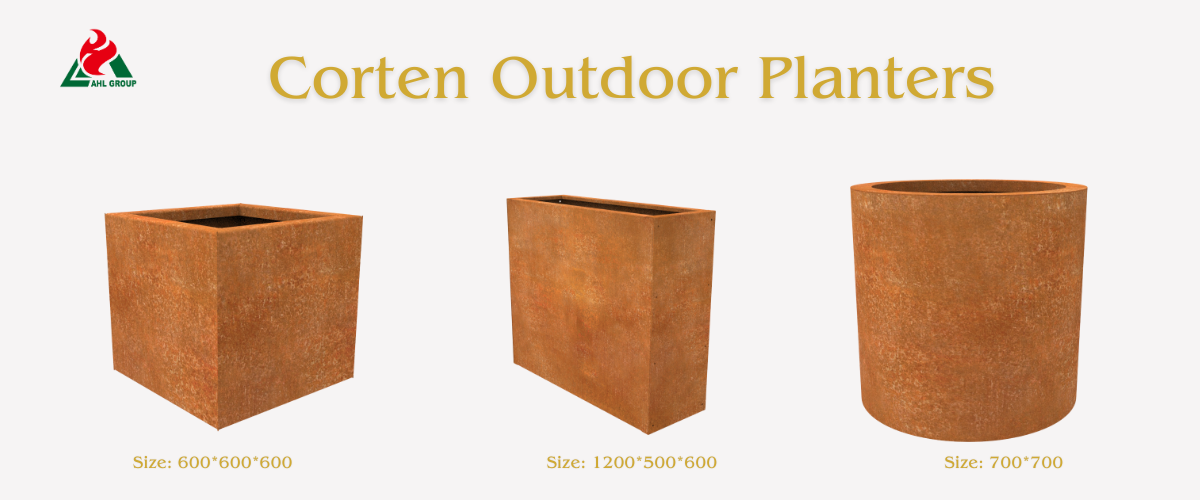
Thicker steel increases both weight and manufacturing cost, so selecting the right thickness ensures efficient use of materials without unnecessary expense.
7. Benefits of Using Thick Corten Steel Planters
Selecting the appropriate thickness offers multiple advantages:
► Enhanced structural stability
► Extended service life
► Improved resistance to deformation
► Superior performance under harsh weather conditions
► Elevated aesthetic quality of architectural landscapes
These benefits make thickened steel planters a popular choice among professional landscape designers.
8. Common Mistakes When Choosing Planter Steel Thickness
A common mistake is selecting steel with insufficient thickness for flower pots. This often leads to bending or structural damage when the pot is filled with soil.
Another error is focusing solely on cost while neglecting long-term durability. Although thicker steel carries a higher initial cost, its extended service life typically delivers significantly greater long-term value.
9. Maintenance Tips for Long-Lasting Steel Planters
Maintaining Corten metal planters is relatively straightforward. Ensure drainage holes remain unobstructed to prevent water accumulation inside the container.
Regularly removing debris or soil buildup from the exterior surface also helps preserve the aesthetic appeal of the weathering steel's rust patina.
10. Why Corten Steel Planters Are a Long-Term Investment
Corten steel planters combine durability, sustainability, and timeless design. Their naturally rusted surfaces blend seamlessly with garden landscapes while offering exceptional weather resistance.
Manufactured using the ideal steel thickness for garden planters, these products require minimal maintenance and can last for decades. This makes them a valuable investment choice for both residential and commercial landscaping projects.
Conclusion: Elevate Your Outdoor Ambiance with Corten Steel Planters
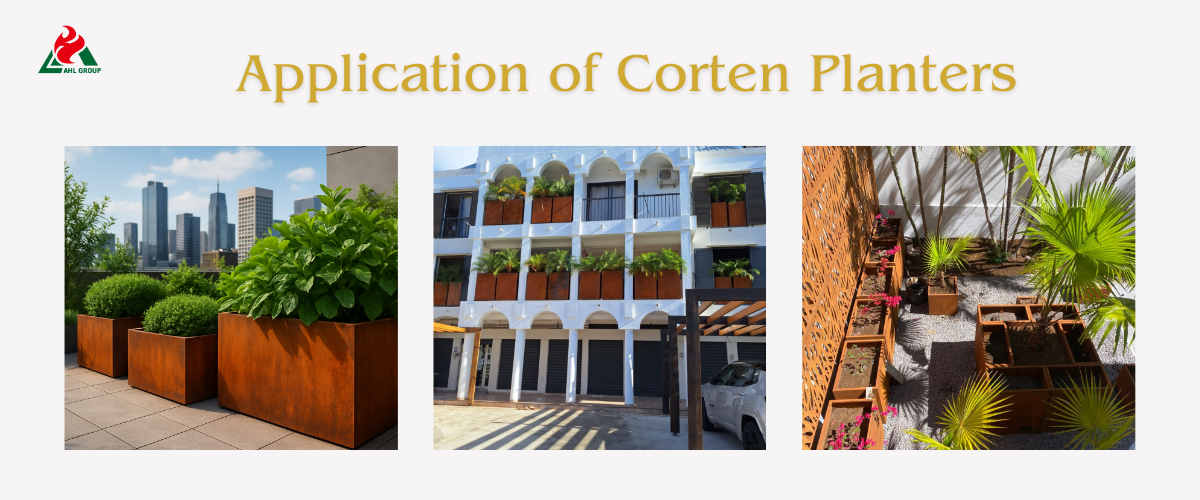
Selecting the optimal steel thickness for garden planters is crucial to ensuring their durability, structural integrity, and long-term performance. While thinner steel may suffice for small decorative planters, weathering steel with a thickness of 1.5 to 3 millimeters is generally more suitable for most outdoor installations, depending on the planter's dimensions.
By comprehensively evaluating factors such as planter dimensions, soil weight, and environmental conditions, the most suitable steel plate thickness can be determined for any project. Well-designed weathering steel planters not only enhance the aesthetic appeal of outdoor spaces but also deliver reliable performance year after year.
FAQs About Corten Planters
Q: 1. What is the most common thickness for weathering steel planters?
Most outdoor weathering steel planters use a 2mm steel plate thickness, achieving a good balance between durability and weight.
Q: 2. Is a thicker steel plate better for planters?
Not necessarily. While thicker steel increases strength, it also raises costs and weight. The ideal thickness depends on the planter's size and intended use.
Q: 3. Will thin metal planters deform over time?
Yes. Thin steel planters may bend or bulge due to soil pressure and environmental stresses.
Q: 4. What thickness is typically used for commercial landscaping projects?
Large commercial planters often use 3mm or thicker steel for maximum durability.
Q: 5. What is the lifespan of weathering steel planters?
With appropriate thickness and drainage design, Corten planters can last over 20 years in outdoor environments.

