


Corten steel exterior siding is widely popular because it weathers naturally without the need for paint or coatings. Unlike traditional siding, it develops a protective layer of rust, and its appearance becomes more attractive over time.
This guide outlines the key factors to evaluate before selecting Corten steel exterior panels. It will help you determine whether this material is suitable for your project’s climate conditions, design objectives, and maintenance expectations.
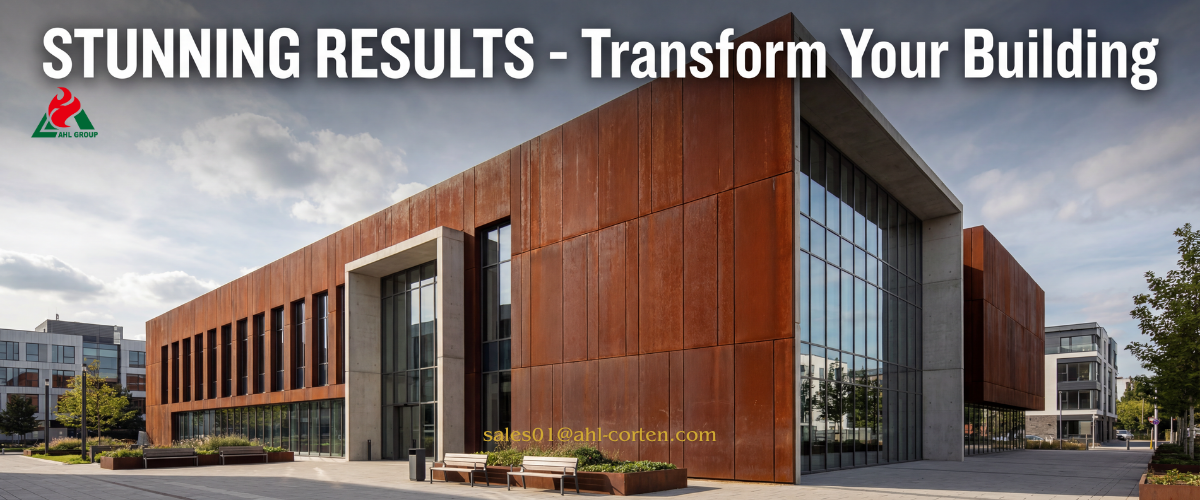
This guide outlines the key factors to evaluate before selecting Corten steel exterior panels. It will help you determine whether this material is suitable for your project’s climate conditions, design objectives, and maintenance expectations.
1. Introduction
Why Corten Metal Siding Is Becoming More Popular
Corten steel cladding has become a favorite among architects, builders, and homeowners who seek a unique industrial aesthetic that evolves. Its warm, rustic rust tones create a striking contrast with glass, wood, and greenery, making it an excellent choice for both modern and rustic design styles.
How It Differs from Other Cladding Materials
Unlike painted steel or vinyl materials, weathering steel (Corten) develops a stable, self-protective rust layer as it weathers naturally. This natural patina not only gives it a distinctive and vibrant appearance but also eliminates the need for painting or sealing, setting it apart from other exterior cladding materials.
This Guide Will Help You Make a Decision
This guide will provide you with a comprehensive understanding of key factors—climate, thickness, installation, maintenance, and design—to help you confidently determine whether Corten metal siding is the ideal investment for your residential or commercial project.
2. What Is Corten Metal Siding?
The Basics of Weathering Steel
Weathering steel is a high-strength, low-alloy steel containing copper, chromium, nickel, and phosphorus. These alloying elements trigger a controlled oxidation process, forming a dense, tightly adherent rust layer that protects the underlying steel from further corrosion.
The Formation Process of the Rust Layer Over Time
After undergoing initial cycles of wet and dry conditions for 6 to 18 months, the surface gradually changes from its original factory-finished grayish-white color to a bright orange-brown, eventually maturing into a deep, rich chocolate brown. Once fully stabilized, this rust layer remains virtually unchanged for decades, requiring no maintenance.
Common Applications of Corten Exterior Panels
Corten exterior panels are widely used for residential facades, commercial building exteriors, feature walls, garden structures, and even public art installations. Their versatility makes them suitable for a wide range of architectural styles, from minimalist modern homes to industrial-style loft conversions and rustic vacation homes.
3. Why Choose Corten Metal Siding
Unique Architectural Appearance
No two panels will rust in the same way. The natural variations in color and texture give each building a unique character that paint or coatings cannot replicate.
Long-lasting Outdoor Performance
When properly specified, Corten steel exterior cladding panels can last 50 to 100 years or even longer. They resist corrosion in the vast majority of atmospheric environments, including urban, suburban, and many coastal areas.
The Appeal of Low Maintenance
Unlike wood, which requires staining, or steel, which needs repainting, weathering steel requires no coatings whatsoever. Typically, a simple annual rinse to remove dirt or accumulated salt is all that’s needed.
Suitable for Modern and Rustic Designs
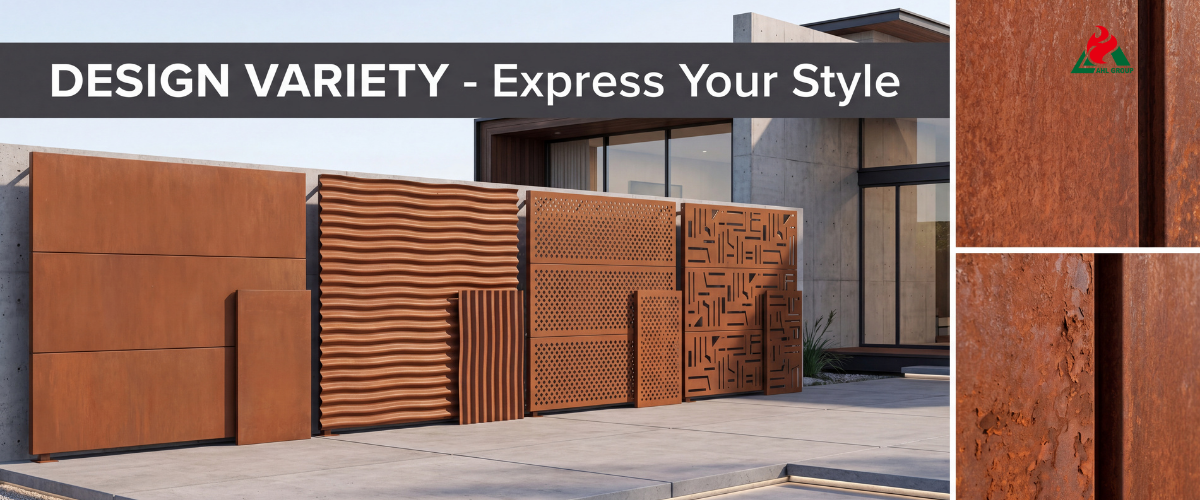
Weathering steel’s distinctive rustic and warm character can soften the harsh lines of modern architecture while adding a time-worn, rustic beauty to rural or country-style buildings. It pairs particularly well with wood, glass, stone, concrete, and greenery.
4. Key Factors to Consider
Climate and Weather Exposure
Weathering steel performs best in climates with alternating dry and wet conditions. In consistently dry or extremely humid environments, the rust layer may form more slowly or unevenly. In coastal areas affected by salt spray, special attention must be paid to surface treatment; a pre-weathered surface finish may be more appropriate.
Thickness and Panel Durability
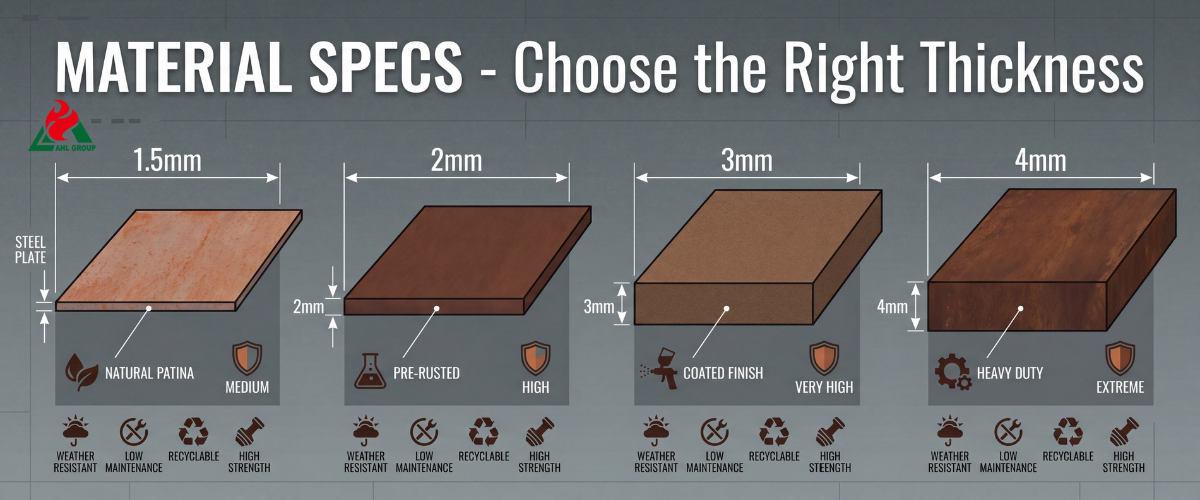
Standard exterior wall panels range in thickness from 2 mm to 4 mm. Thicker gauges (≥3 mm) offer greater resistance to denting and are recommended for high-traffic areas or large exposed wall surfaces. It is essential to verify that the steel supplied by the manufacturer is certified genuine Corten-A (ASTM A588) or EN 10025-5 grade steel.
Installation Requirements
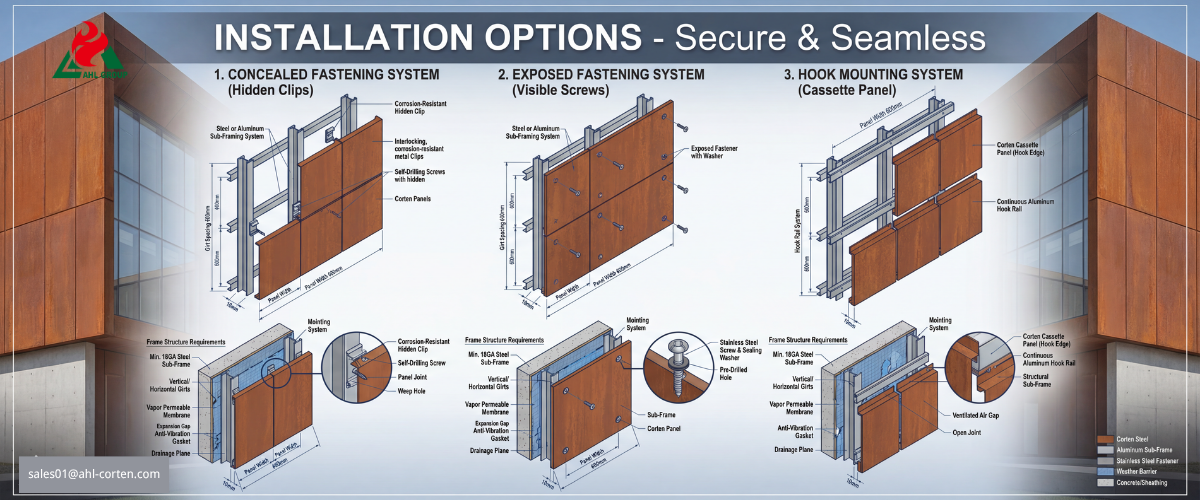
Weathering steel is heavier than wood or fiber cement panels. Ensure that the underlying wall structure can support its weight. Most installations utilize a rain screen system, creating a ventilated cavity behind the panels to promote drying and prevent moisture retention.
Drainage and Runoff Issues
During the initial weathering phase, temporary orange-brown runoff may stain adjacent materials—such as concrete, stone, or wood. Design measures such as drip edges, overhangs, or temporary protective covers should be incorporated to address this short-term impact.
Color Changes and the Development of the Weathered Effect
Please have clear expectations. The final weathered effect does not develop overnight. Some property owners opt for pre-weathered panels, which come from the factory with a stable, uniform weathered surface, thereby avoiding the unpredictability of the first year’s appearance.
Structural Support and Weight
One square meter of 3-millimeter-thick weathering steel weighs approximately 24 kilograms. Large-scale exterior walls may require additional framing support or engineering review. If used in multi-story buildings or earthquake-prone areas, please consult a structural engineer.
Long-Term Maintenance Requirements
Once the rust layer has stabilized, maintenance is minimal. Periodically check for debris accumulation behind the panels, inspect fasteners annually, and remove bird droppings or chemical residues with a soft cloth and clean water.
5. Best Applications for Corten Siding
Residential Exterior Walls
The exterior walls, gables, or accent walls of an entire house can all benefit from Corten steel’s warm and vibrant finish. This material is particularly well-suited for modern farmhouses, mid-century renovations, and coastal vacation homes.
Commercial Building Facades
Retail stores, office buildings, and hotel projects utilize Corten steel to convey authenticity and durability. The material’s low maintenance costs are a significant advantage for commercial property owners.
Accent Walls and Feature Panels
Even a single Corten feature wall can completely transform a building’s visual impact. It can be used to define entrance contours, highlight cantilevered structures, or create an eye-catching backdrop for signage.
Landscape Structures and Outdoor Architecture
Garden pavilions, pool houses, outdoor kitchens, and retaining walls clad in Corten steel blend seamlessly with the natural landscape while offering exceptional weather resistance.
Modern and Industrial-Style Projects
The material’s raw, authentic texture complements industrial-style lofts, historic building renovations, and contemporary architectural styles that celebrate the inherent qualities of materials.
6. Corten Metal Siding vs Other Materials
Corten Siding vs Wood siding
Wood requires regular staining or painting and is susceptible to rot, insect damage, and fire. Weathering steel requires no coating, is fire-resistant, and has a service life that is several decades longer than wood, despite its higher initial cost.
Corten Steel Siding vs. Aluminum Siding
Aluminum is lightweight, corrosion-resistant, and available in a wide range of colors. However, it is prone to denting and cannot develop the same sculptural patina that evolves. Weathering steel offers greater impact resistance and possesses a unique aesthetic that cannot be replicated through painting.
Corten Steel Exterior Panels vs. Fiber Cement Panels
Fiber cement panels are fire-resistant and can mimic the appearance of wood, but they are brittle and may crack upon impact. Corten steel is far more durable than fiber cement panels, although it is heavier and more expensive.
Corten Steel Exterior Panels vs. Standard Steel Sheets
Standard steel sheets rely on paint or galvanization for rust protection. Once the coating fails, corrosion rapidly destroys the panels. Corten steel’s sacrificial rust layer has self-healing properties, providing true long-term corrosion resistance without the need for coatings.
7. Design Considerations Before Buying
Panel Size and Layout
Large-format panels create a seamless, unified visual effect, but they are heavy and require extra care during handling. Smaller panels are easier to install and can be arranged to create a sense of rhythm or texture.
Horizontal vs. Vertical Installation
Horizontal installation emphasizes the building’s width and is the traditional method for exterior cladding. Vertical installation, on the other hand, draws the eye upward, making the building appear taller. Both methods are suitable for weathering steel, and the specific choice depends on your design intent.
Pairing Exterior Panels with Window Frames and Trim
Weathering steel pairs exceptionally well with deep bronze or black window frames, natural wood trim, and unpainted concrete. Avoid using bright white or glossy finishes, as they may clash with the rustic, weathered tones.
Combining Weathering Steel with Other Materials
Weathering steel can be combined with weathered wood, form-finished concrete, natural stone, or dark metal roofing. Use greenery—vines, shrubs, or trees—to soften the sharp edges of the industrial aesthetic.
Selecting the Right Surface Finish for Your Project
Options include the factory-finished surface (natural weathering), pre-weathered (delivered with a stable rust patina), or oil-treated (to deepen the color and delay oxidation). For projects prioritizing an immediate visual impact and requiring zero runoff, the pre-weathered finish is the ideal choice.
8. Installation Tips
Preparing the Wall Surface
Install a water-resistant barrier (WRB) on the siding, followed by vertical furring strips or metal cove molding to create a ventilated cavity. This allows moisture behind the exterior siding to escape and dry out.
Ensure Ventilation and Moisture Protection
It is recommended to leave an air gap of at least ¾ inch (19 mm). Install insect screens at the top and bottom of the cavity to prevent pest intrusion while maintaining airflow.
Prevent Staining of Surrounding Surfaces
For the first six months after installation, use temporary plastic sheeting or sacrificial drip edges to protect sidewalks, stone, or wooden decks from orange-colored runoff. Once the surface oxide layer stabilizes, staining will cease.
Work with Experienced Installers
Weathering steel is more challenging to install than vinyl or fiber cement. Select a contractor with experience installing architectural metal siding and provide them with the manufacturer’s detailed installation guidelines.
Allow for Thermal Expansion and Contraction
Steel expands and contracts with temperature changes. Use slotted joints or sliding clips at panel overlaps, and never tighten fasteners to the point where they restrict movement.
9. Maintenance and Longevity
What to Expect During the Weathering Process
Initially, the surface may appear uneven in color and exhibit temporary seepage. This is normal. Avoid cleaning with high-pressure water jets or chemical cleaners. Allow the patina to form naturally over a period of 12 to 18 months.
How to Clean and Inspect Corten Steel Cladding
Once a year, rinse the exterior walls with a garden hose to remove dust, pollen, and salt deposits. Check the back of the panels for any accumulated debris. Do not use wire brushes, abrasive pads, or acidic cleaners.
How to Prevent Unnecessary Runoff or Stains
If you are concerned that runoff may stain sensitive surfaces, install eaves or drip edges at the bottom of the wall. Alternatively, you can choose pre-weathered panels, which produce almost no runoff initially.
When to Repair or Replace
Weathering steel panels rarely need to be replaced. However, if a panel develops dents or cuts, the exposed edges will naturally form a new rust layer. Never paint over damaged areas—paint traps moisture and accelerates deterioration.
10. Common Mistakes to Avoid
Choosing the Wrong Thickness
Thin (≤2 mm) sheets are prone to warping and denting and may fail to form a stable rust layer. For most exterior cladding applications, sheets with a minimum thickness of 3 mm should be used.
Lack of a Proper Drainage System
Installing sheets directly against the wall traps moisture, leading to accelerated corrosion behind the cladding. Be sure to provide a ventilated, rain-screen cavity.
Use of Weathering Steel in Unsuitable Climatic Conditions
A stable rust layer cannot form in extremely desert environments or indoor applications. Performance may be reduced in heavy industrial areas with chemical pollution. Consult the manufacturer for guidance.
Neglecting Protection of Adjacent Surfaces
Failure to protect light-colored concrete, limestone, or wooden decks during the first year of installation may result in permanent orange stains that are difficult to remove.
Selecting the Wrong Application Type
Weathering steel is not recommended for areas subject to continuous salt spray exposure (such as coastal zones), indoor environments (where there is no weathering cycle), or applications requiring a uniform, consistent color.
Conclusion: Key Considerations When Selecting Corten Steel Cladding
Corten steel offers a unique and dynamic surface appearance, combining durability, low maintenance, and exceptional architectural appeal. Key decisions include selecting the appropriate thickness, ensuring climate suitability, designing drainage details, and managing the initial weathering period. If you value authenticity, are comfortable with natural color changes, and can provide the correct backing and installation, Corten steel is an excellent choice. For projects requiring an immediately uniform appearance, or those located in extreme marine environments, consider pre-weathered weathering steel or alternative materials.
We invite you to explore AHL Group’s certified Corten metal exterior cladding series. We offer a variety of thicknesses, pre-weathered surface treatments, and custom fabrication services to meet your design vision. For technical specifications, samples, or project quotes, please contact our technical team.

