


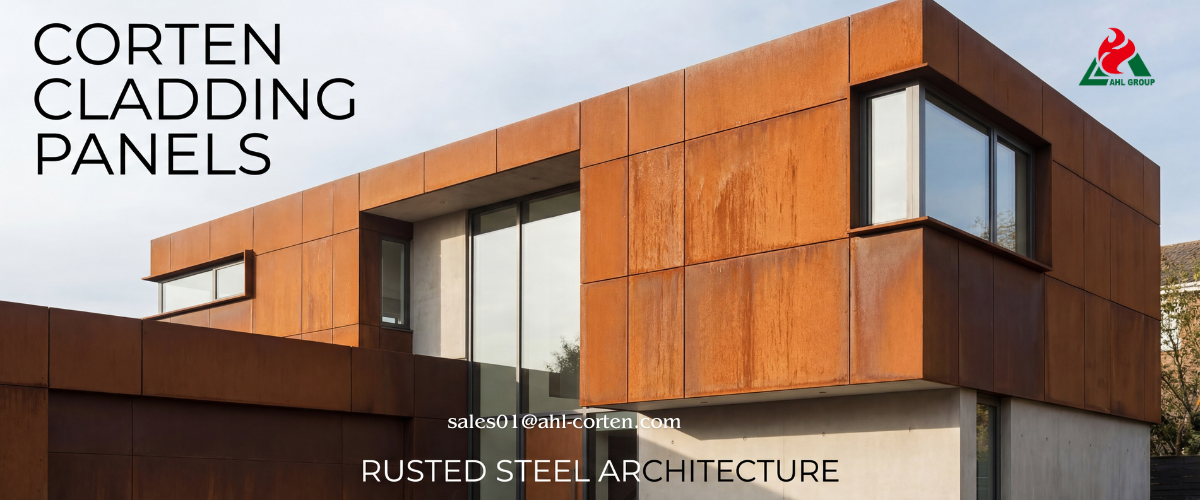
Corten steel siding panels have quickly become an iconic element of contemporary architecture, prized for their rugged industrial aesthetic, exceptional durability, and the unique rusted texture that develops over time. However, the key difference between an ordinary facade and a truly iconic one lies in customization. Off-the-shelf panels can only meet limited needs. If you wish to create a building façade that tells a story, withstands the rigors of the real world, and stands out both in Google search results and on the actual streetscape, you must gain a deeper technical understanding of how to customize Corten steel exterior panels.
This guide goes beyond superficial advice to take you on an in-depth exploration of the engineering logic, fabrication decisions, and architectural strategies behind successful Corten steel facade projects—helping you avoid costly mistakes and create a lasting architectural masterpiece.
This guide goes beyond superficial advice to take you on an in-depth exploration of the engineering logic, fabrication decisions, and architectural strategies behind successful Corten steel facade projects—helping you avoid costly mistakes and create a lasting architectural masterpiece.
1. Introduction: The Rise of Custom Weathering Steel Architecture
Why Customization is Essential for Modern Siding Projects
Modern architecture no longer seeks uniformity but instead emphasizes uniqueness and performance. Weathering steel offers a rare opportunity to balance these two aspects. The rust patina that forms over time lends buildings a sense of timeless beauty, while its structural strength ensures durability. However, without customization, even this powerful material can appear generic or fail to meet the specific needs of a project.
Customization allows architects to manipulate the interplay of depth, rhythm, shadow, airflow, and light, transforming the building cladding into a multifunctional design system rather than a mere exterior skin. In high-end projects, customization is not an option—it is the very key to defining a project’s uniqueness.
Balancing Architectural Vision with Technical Feasibility
Every bold design concept must stand the test of reality. Weathering steel expands and contracts with temperature changes, reacts when exposed to moisture, and interacts with surrounding materials. Ignoring these factors can lead to panel deformation, staining, or premature failure.
True craftsmanship lies in transforming creative concepts into buildable and durable systems. This means adapting the design to meet engineering constraints, such as:
► Wind load resistance
► Thermal expansion and contraction
► Drainage and corrosion behavior
2. Selecting the Right Material Grade and Thickness
ASTM A588 vs. A606-4: Which Steel Grade Is Right for Your Exterior Cladding?
Choosing the right steel grade is critical. Although both A588 and A606-4 are weathering steels, they are intended for different applications. A588 is typically used for structural applications, while A606-4 is specifically optimized for thin-gauge exterior cladding, offering better formability and surface consistency.
For most exterior cladding applications, A606-4 is the preferred choice because it allows for more precise fabrication and delivers a cleaner, more aesthetically pleasing finish.
Determining Optimal Thickness (1.5mm to 3mm+) for Structural Integrity
Thickness directly affects strength, weight, and installation complexity. Thinner panels can reduce costs but increase the risk of deformation; thicker panels improve rigidity but require a more robust support system.
► 1.5–2.0 mm: Decorative or low-load applications
► 2.0–3.0 mm: Standard exterior cladding panels
► 3.0 mm and above: High-wind resistance or large-format panels
The key lies in striking a balance between performance and efficiency, rather than simply selecting the thickest option.
Impact of Thickness on Oil-Canning and Flatness
Oil-canning—visible waviness—is a common issue in flat metal panels. It is influenced not only by thickness but also by sheet dimensions, fastening methods, and the alignment of the substrate.
To mitigate this issue, a comprehensive approach is required, including strict control of manufacturing processes, the use of appropriate sub-frame structures, and sound sheet design.
3. Customizing Panel Profiles and Geometries
Flat Panels vs. Corrugated vs. Standing Seam
The profile of a panel determines its aesthetic style and influences its structural performance. Flat panels offer a minimalist aesthetic but require extremely high precision, while corrugated and standing seam panels enhance rigidity and add visual texture.
Each Corten panel profile interacts uniquely with light, creating a dynamic, evolving façade.
Creating Shadow Lines Through Custom Grooved Joints
Grooved joints are more than just gaps—they are deliberately designed elements used to create depth and rhythm. Well-designed joints enhance visual clarity while accommodating thermal expansion and contraction and drainage requirements.
Geometric Folds and Corner Transitions
Advanced manufacturing techniques enable seamless corners and folded geometric structures, eliminating visible joints and enhancing architectural precision. These details require strict tolerance control and meticulous planning to execute correctly.
4. Laser Cutting and Perforated Patterns
Enhancing Transparency: Custom Perforation Density
Perforated panels allow designers to control light, airflow, and views. Perforation density determines the extent to which these elements are achieved, requiring a balance between aesthetics and structural integrity.
Laser-Cut Brand Logos and Artistic Patterns on Commercial Exterior Panels
Laser cutting transforms exterior cladding walls into a communication medium, allowing logos, patterns, and artistic designs to be seamlessly integrated into building facades.
The Impact of Perforations on Airflow and Wind Loads
Perforations can reduce wind pressure but also alter load distribution. Engineers must calculate these effects to ensure panels remain stable under extreme conditions.
5. Pre-weathering and Finish Customization
Natural Weathering vs. Controlled Oxidation (Pre-weathering Treatment)
Natural weathering results in organic changes, while pre-weathering ensures an immediate and consistent appearance. The choice depends on the project timeline and design intent.
Sealing: Customizing the Final Texture
Sealing stabilizes the surface and reduces runoff, but it limits the material’s natural evolution. This decision affects both maintenance requirements and aesthetic outcomes.
Rust Runoff Management During the Initial Stabilization Phase
During the initial phase, rust runoff is inevitable. If not properly planned for, it may contaminate surrounding surfaces. Solutions include pre-weathering treatment, drainage design, and protective barriers.
6. Custom Installation Systems and Hardware
Hidden Fastener Systems vs. Exposed Industrial Rivets
Choosing between concealed and exposed fastening systems is far more than a matter of visual preference—it directly impacts performance, durability, and maintenance strategies. Concealed fastening systems are commonly used in rainscreen systems, allowing panels to expand and contract naturally without creating visible stress points. These systems rely on clips, tracks, and interlocking edges to create a seamless, modern façade while enhancing weather resistance.
However, concealed systems demand extremely high precision in fabrication and precise alignment of the substrate. Any deviation can lead to misalignment or installation difficulties. In contrast, exposed fasteners, such as stainless steel rivets, offer greater installation flexibility and are commonly used in industrial-style designs. They provide strong mechanical fixation but require careful design details to prevent water ingress and corrosion at the connection points.
Custom Flashing, Capping, and Window Frames
Flashing and edge details serve as the first line of defense against water intrusion, yet they are often overlooked in the early stages of design. In custom weathering steel exterior wall systems, these components must be specifically engineered to withstand water flow, thermal expansion and contraction, and capillary action.
Well-designed flashing components should incorporate drip edges, proper slopes, and multi-layer lap joints to direct rainwater away from vulnerable areas such as windows, corners, and base connections. Selecting compatible materials ensures uniform weathering and prevents electrochemical corrosion. Improper detailing in these areas can lead to long-term failure of the facade, making this a critical aspect of the customization process.
Thermal Break Design Strategies for Energy-Efficient Facade Panels
Metal exterior wall panels without a thermal break design create thermal bridges, allowing heat to transfer between the interior and exterior. This not only reduces energy efficiency but may also cause condensation issues.
Thermal break systems block this heat flow by using non-conductive materials or insulated spacers. The result is improved energy performance, indoor comfort, and building longevity. Integrating thermal breaks requires coordination between design and engineering teams to ensure performance without compromising structural integrity.
7. Technical Specifications for Your Custom Project
Tolerance Standards in Precision Manufacturing
Precision is key to the success of custom exterior cladding panels. Even the slightest deviation can compromise panel alignment and visual consistency. High-quality projects typically maintain tolerances within ±1–2 millimeters to ensure panels fit together seamlessly.
Achieving this level of precision requires advanced manufacturing techniques such as CNC cutting and automated bending, combined with detailed construction drawings and pre-installation simulations.
Applications of CAD/BIM Files: From Concept to Production
Digital tools such as CAD and BIM have revolutionized curtain wall design. They enable teams to simulate panel layouts, detect conflicts, and optimize manufacturing processes before production begins.
BIM models also contain detailed data—dimensions, materials, and installation sequences—ensuring that every component can be manufactured and installed with precision. This helps reduce errors and improve efficiency throughout the project lifecycle.
Transportation and Logistics for Oversized Custom Panels
Large custom panels present logistical challenges that must be addressed early on. Transportation restrictions, handling requirements, and installation sequences all influence panel design.
Proper planning includes protective packaging, specialized lifting equipment, and a coordinated delivery schedule. Without these measures, panels may be damaged or cause delays, impacting costs and project timelines.
8. Case Studies: Successful Custom Corten Siding Projects
Residential Feature Walls with Precision Perforation
In residential settings, Corten steel exterior panels are often used to create feature walls that strike a balance between privacy and openness. Custom perforation patterns allow light to pass through while maintaining visual privacy, creating a dynamic interplay of light and shadow.
Such projects require precise calibration of perforation density, panel strength, and support systems to ensure both aesthetic and structural performance.
Large-Scale Commercial Building Facades with Dynamic Silhouettes
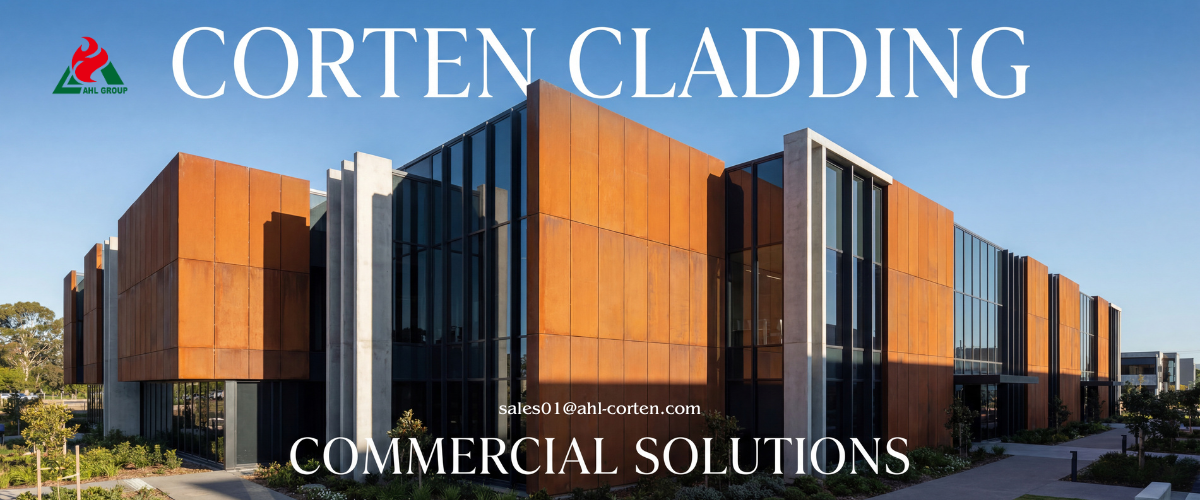
Commercial projects take customization to a deeper level, incorporating multi-layered panels, varying depths, and complex geometric shapes. These facades must not only display a distinctive visual identity but also withstand wind loads, thermal expansion and contraction, and prolonged exposure to the elements.
The result is not merely a building envelope but a landmark architectural statement that seamlessly blends engineering precision with artistic expression.
Conclusion: Turning Your Vision into a Durable Reality
Custom Corten steel cladding requires close coordination between design, engineering, manufacturing, and installation. Every decision—from material grades to fastening systems—impacts the final result. When executed properly, custom Corten steel siding delivers decades of durability and minimal maintenance, while showcasing a unique aesthetic that evolves—one that no other material can replicate.
AHL Group offers end-to-end customization services to ensure your project achieves perfection in both visual appeal and structural reliability. Partner with our experts to transform your vision into a high-performance architectural solution that stands the test of time.

