


Corten steel outdoor planters are widely used in modern gardens, commercial landscapes, patios, and architectural projects due to their unique rust-colored appearance and excellent outdoor durability. Unlike traditional steel, Corten steel forms a protective layer of rust that slows further corrosion, allowing it to perform well in many outdoor environments. However, many homeowners and landscape designers ask an important question: Do Corten steel planters need to be waterproofed? The answer depends on how the planters are used and where they are installed.
In many cases, weathering steel planters that have undergone natural patination can successfully hold soil and plants without the need for additional waterproofing. However, waterproofing may be helpful when planters are installed on vulnerable surfaces, used as water features, placed on balconies, or located in areas where rust runoff could damage surrounding materials.
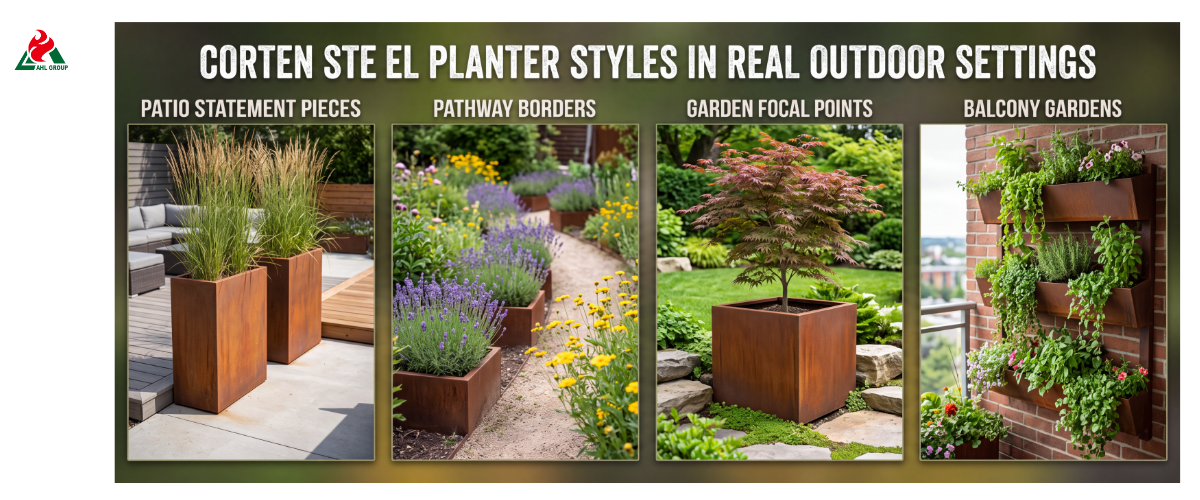
In many cases, weathering steel planters that have undergone natural patination can successfully hold soil and plants without the need for additional waterproofing. However, waterproofing may be helpful when planters are installed on vulnerable surfaces, used as water features, placed on balconies, or located in areas where rust runoff could damage surrounding materials.
1. Introduction
Why Waterproofing Is Critical for Corten Steel Planters
Weathering steel—often chosen by landscape architects and urban designers—is highly regarded for its industrial aesthetic, exceptional structural integrity, and self-healing rust patina. However, when used as outdoor planters, weathering steel faces an extremely corrosive microenvironment: moist, organic-rich soil that remains in constant contact with its inner walls. While the outer surface of Corten steel benefits from natural atmospheric cycles of moisture and dryness, the saturated soil inside the container deprives the steel of oxygen. Without sufficient oxygen, the steel cannot form a protective oxide layer, leading to premature pitting corrosion and structural degradation inside the container. Waterproofing the interior cavity protects the container from moisture-induced damage and prevents unsightly rust stains from seeping onto the surrounding hardscape.
This guide will help you achieve
This engineering-grade technical guide provides step-by-step instructions for waterproofing Corten steel outdoor planters. Whether you are installing thick-walled commercial planters in a hotel plaza or arranging planters on a residential patio, this manual covers the chemical mechanisms of weathering steel, the selection of waterproofing materials, the application of interior coatings, drainage engineering, and strategies for preventing leaks.
Key Differences Between Corten Steel and Other Planter Materials
Unlike terracotta, wooden planters, or standard low-carbon steel containers, weathering steel follows unique metallurgical principles:
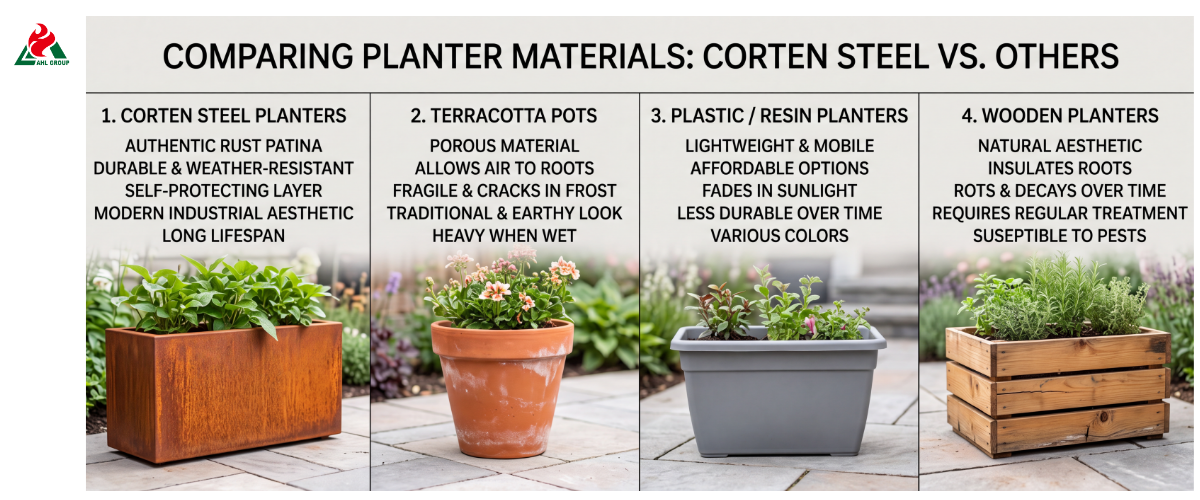
► Terracotta and concrete: These porous materials allow water to drain away from plant roots, but freeze-thaw cycles often cause them to crack.
► Low-carbon steel: Lacking copper and chromium alloys, it continues to oxidize until structural failure occurs.
► Weathering steel: Exposure to air forms a dense, stable oxide layer, but controlled drainage and internal waterproofing are required to prevent anaerobic corrosion in moist soil.
2. Understanding Corten Steel Planters
How Weathering Steel Works
Weathering steel is an alloy rich in copper, chromium, nickel, and phosphorus. When exposed to the outdoor environment, these elements catalyze the formation of a dense protective layer composed primarily of goethite. This microcrystalline layer bonds tightly to the steel core, forming an airtight barrier that significantly slows further atmospheric corrosion.
The Protective Rust Patina and Its Advantages
The primary advantage of weathering steel lies in its self-sustaining rust patina. Once fully formed, this patina requires no external painting or ongoing rust prevention treatments. The patina protects the underlying alloy core from rain, wind, and industrial atmospheres, extending the expected service life of the planters to several decades.
When Sealing or Waterproofing Is Recommended
Internal sealing or membrane waterproofing is recommended in the following situations:
► When the flower pot contains damp soil, potting mix, or automatic irrigation lines continuously.
► When the flower pot is installed directly on light-colored stone pavers, marble, or composite wood decking that is susceptible to iron oxide stains.
► When the container will be used for aquatic plants, water features, or bioretention filtration.
Common Misconceptions About Corten Planters and Water
► Misconception: “Corten steel can be submerged in water for long periods without rusting.”
Fact: Corten steel requires a cycle of wet and dry conditions rich in oxygen. Continuous submersion will cause it to oxidize continuously, just like ordinary carbon steel.
► Misconception: “Waterproofing the interior will prevent the development of a warm rust patina on the exterior.”
Fact: The rubber coating on the inside affects only the interior cavity. The exterior surface will continue to weather, developing its natural rust patina.
3. Do You Need to Waterproof a Corten Planter
Situations Requiring Waterproofing
► High-Value Patios and Hardscape: When garden planters are placed on terraces made of travertine, limestone, granite, or light-colored wood.
► Commercial Interior Spaces and Rooftops: Areas where structural leak control is required.
► Edible gardens and agricultural cultivation: Sealing the interior surfaces prevents trace amounts of alloy metals (such as nickel or chromium) from leaching into edible crops, thereby maintaining a pure soil environment.
When a Natural Patina Is Sufficient
If landscape planters are placed directly on natural soil, a bed of dark-colored crushed gravel, or dedicated garden borders, interior waterproofing is generally optional. In these environments, small amounts of iron oxide leach harmlessly into the ground without damaging expensive landscape paving.
How Climate and Exposure Affect Decision-Making
Humid coastal environments with high salt content or regions with high annual rainfall accelerate steel oxidation. In these humid climates, unsealed interior surfaces remain constantly damp, increasing the risk of structural wall thinning over time.
Signs That Your Corten Steel Planter Needs Additional Protection
► Excessive dark orange sludge flowing out of the drainage holes.
► Flaking, scaly rust spots forming on internal welds or corner joints.
► Visible staining spreading across the high-end patio pavers beneath the planter’s base.
4. Waterproofing Methods Overview
Internal Liquid Rubber Coating
A flexible liquid rubber film is the material of choice for Corten planters. Once cured, it forms a seamless, flexible rubber membrane that can expand and contract with the steel’s natural thermal expansion and contraction. This material is non-toxic, safe for plants, and adheres firmly to untreated or slightly oxidized metal surfaces.
Clear Sealants and Protective Sprays
Clear acrylic, polyurethane, or oil-based sealants can lock in the initial appearance. While they help maintain the exterior’s aesthetic appeal, they are typically too thin (<2 mils) to protect the interior surface from continuous soil abrasion and root pressure.
Pond Shield or Epoxy-Based Liners
Two-component, non-toxic epoxy coatings (such as Pond Shield) form a hard, chemically resistant shell inside the planter. They are ideal for water features or aquatic plantings. However, because epoxy forms a rigid matrix after curing, thorough surface preparation is required, and it may crack if the steel walls bend under heavy soil loads.
Removable Plastic or Metal Liners
Using heavy-duty, UV-stabilized rotomolded plastic containers within a weathering steel frame prevents direct contact between damp soil and the metal. This “pot-in-pot” approach ensures zero corrosion of the internal metal while keeping the weathering steel container lightweight and easy to clean.
5. Preparing the Planter for Waterproofing
Cleaning the Inner Surface
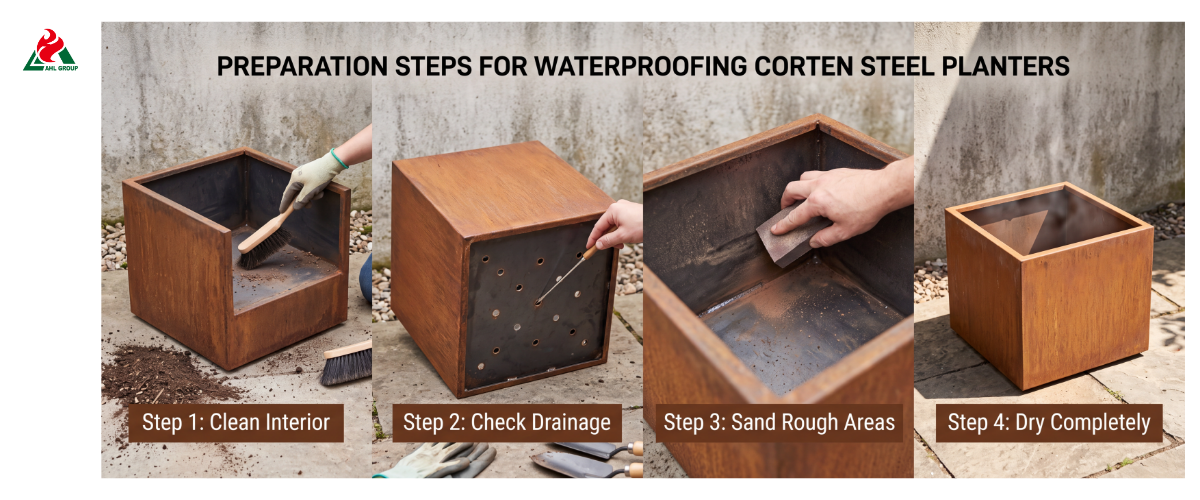
Before painting, scrub the inner walls with a wire brush or an angle grinder fitted with a wire wheel. Remove loose scale, flaking rust, dirt, and oil residues left over from the manufacturing process.
Removing Loose Rust and Debris
Use an industrial vacuum cleaner to thoroughly remove all residual metal dust and rust particles. Wash the interior with a mild degreaser and clean water to remove oil, grease, or machining lubricants.
Metal Drying and Degreasing
Wipe all interior surfaces with denatured alcohol or acetone. Allow the interior to dry completely. Applying elastomeric or epoxy coatings to damp metal surfaces can cause blistering, poor adhesion, and premature coating failure.
Protecting the External Rust Layer During Work
Cover the outer surface of the Corten flowerpot with painter’s tape and a plastic splash guard. This prevents liquid rubber drips, solvent splashes, or fingerprints from damaging the developing external rust layer.
Safety Equipment and Ventilation
Be sure to work in a well-ventilated outdoor area or an open workshop. When handling metal pretreatment chemicals or sealants, wear a dust/vapor respirator certified by the National Institute for Occupational Safety and Health (NIOSH), safety goggles, and heavy-duty nitrile gloves.
6. Step-by-Step Waterproofing Process
Applying the First Coat of Sealant
► Dip a high-density brush or medium-pile roller into the liquid rubber coating.
► Apply a thin, even coat of primer to all internal steel surfaces, ensuring the liquid penetrates corners and weld seams.
► Maintain an even coat and avoid allowing the coating to pool at the bottom of the container.
Apply Multiple Coats for Complete Coverage
Apply two to three thick coats to achieve a total dry film thickness of 1.0 mm to 1.5 mm (40 to 60 mils). Use a cross-coating technique: apply the first coat horizontally and the second coat vertically to eliminate pinholes and microscopic gaps.
Pay special attention to corners and seams
Machined corners, flanges, and structural welds on the tank are common failure points. Reinforce internal seams by embedding a thin strip of polyester-reinforced fabric directly into the wet first coat, then covering it with the second coat.
Ensure Adequate Curing Time Between Coats
Each coat must dry for 4 to 6 hours (depending on ambient humidity and temperature) until it is touch-dry before applying the next coat. After the final coat is applied, allow the planter to cure completely for 48 to 72 hours before adding drainage gravel or soil.
Perform a Leak Test Before Adding Soil
If your outdoor planter will also serve as a water feature or pond, perform a watertightness test. Temporarily plug the drainage holes at the bottom with rubber expansion plugs, and fill the container with 100 millimeters of water. Check for leaks after 24 hours; once you’ve confirmed there are no leaks, fill the planter with soil.
7. Drainage and Internal Setup
Drill Appropriate Drainage Holes
Standing water in a durable planter can deprive the roots of oxygen and create significant hydrostatic pressure. Make sure the bottom of your planter has drainage holes drilled in advance (at least 25 to 32 millimeters in diameter, spaced 300 to 400 millimeters apart across the bottom).
Add Gravel or a Drainage Layer
Spread a 50-millimeter to 100-millimeter-thick layer of clean, washed river gravel, expanded clay aggregate (LECA), or heavy volcanic pumice at the bottom of the planter. This will create a dedicated water-retention zone beneath the root zone, allowing excess water to flow freely toward the drainage holes.
Use Gardening Geotextile to Separate Soil from Gravel
Lay a layer of non-woven geotextile directly over the gravel drainage layer. Extend the geotextile upward to cover the inner walls by 50 millimeters. This filter barrier prevents fine soil particles from being washed into the gravel layer, which could clog the drainage holes.
Prevent Soil from Clogging Drainage Holes
Before laying the gravel, cover each bottom drainage hole with a dome-shaped mesh drainage cap or a stainless steel filter screen. This additional barrier prevents gravel from clogging the drainage outlets, ensuring a steady and sustained flow of water.
Managing Water Flow to Prevent Rust Stains
Insert flexible PVC drain tubing directly into the bottom drainage holes to divert water away from light-colored paved areas. This directs rainwater runoff to flower beds or concealed storm drains.
8. Protecting Surrounding Surfaces
Raise the Planters Using Feet or Spacers
Never place flat-bottomed Corten metal planters directly on concrete, stone, or wooden deck surfaces. Use thick EPDM rubber feet, plastic furniture spacers, or weathering steel mounting channels to raise the planters 15 to 25 millimeters, maintaining a certain distance from the ground. Raising the planter allows air to circulate beneath it, eliminating areas of standing water and preventing dark, damp stains from forming on the paved surface.
Add protective pads or trays to the bottom
When installing on delicate surfaces such as travertine, marble, or polished concrete, place a color-matched powder-coated drip tray or catch dish beneath the planter feet to collect the initial runoff of iron oxide during heavy rain.
Preventing Rust Stains on Patios and Yards
If a drip tray cannot be used, treat the surrounding porous concrete pavers with a penetrating silane-siloxane sealant before installing the weathering steel planters. Sealed pavers resist oil, water, and iron oxide stains, greatly simplifying cleanup.
Choose the Right Location to Minimize Stains
During the first 6 to 12 months, while the outer rust layer is still forming and stabilizing, place your new Corten modern planters on a dark gravel border, in a flower bed, or on a dark asphalt surface. Once the outer hematite rust layer has matured to a deep, dark bronze color, you can move the planters to a lighter-colored patio floor.
Check Regularly for Water Pooling
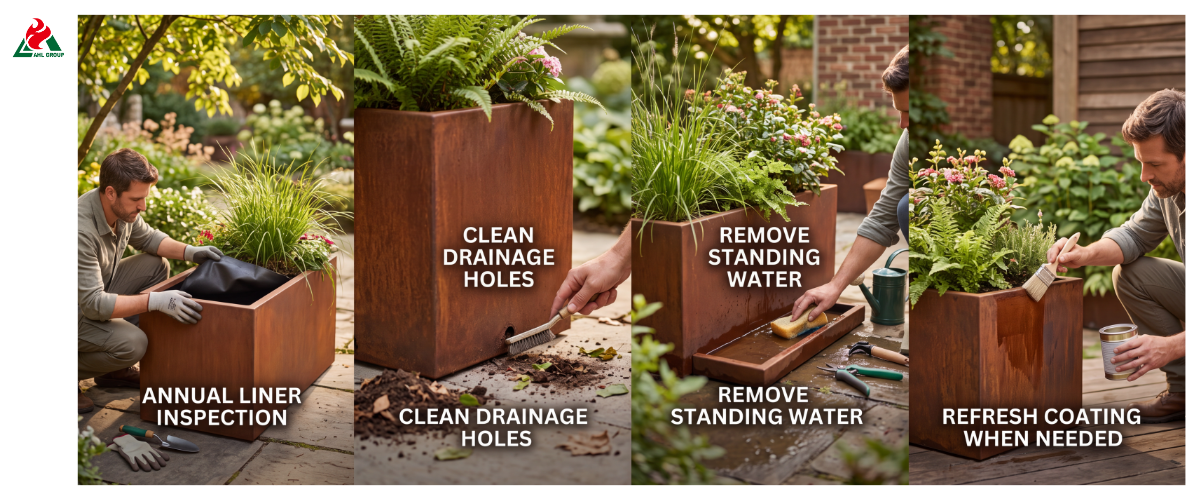
Inspect the ground beneath the planters twice a year. Check for clogged drainage holes, clear away accumulated leaves, and ensure that air can circulate freely beneath the planters.
9. Maintenance After Waterproofing
Inspect the Waterproofing Layer Regularly
Every 3 to 5 years, when repotting plants or replacing the topsoil, inspect the liquid rubber liner inside the pot. Look for scratches caused by gardening tools, scrapes from shovels, or signs of root penetration.
Reapply Sealant as Needed
Use a small brush dipped in liquid rubber coating to touch up any scratched or worn areas. Before applying a fresh coat, clean and let the damaged area dry completely.
Avoid Damaging the Coating During Cleaning
When emptying or cleaning sealed weathering steel outdoor planters, use a soft plastic scoop, a nylon brush, and clean water. Avoid using sharp metal shovels or gardening trowels, or operating a pressure washer directly against the surface, to prevent cutting through the rubber membrane.
Monitor for New Rust Spots or Leaks
If dark orange water begins to seep from the seams at the bottom corners, check the inner membrane for pinholes or cracks. Clean the affected area and reapply a layer of elastic rubber coating to restore the seal.
Winter Maintenance and Off-Season Storage Tips
In cold climates prone to severe freeze-thaw cycles:
► Ensure that drainage holes remain unobstructed before winter sets in.
► Stagnant water will freeze, expand, and generate powerful hydrostatic pressure, which can damage the internal coating and the steel corner welds.
► Placing lightweight expanded clay pellets at the bottom of the pot helps absorb the forces generated by freeze-thaw expansion.
10. Common Mistakes to Avoid
Omitting Surface Preparation
Applying a rubber or epoxy coating directly over loose rust, dirt, or machining oil is a common mistake. Moisture becomes trapped beneath the unbonded coating, accelerating hidden corrosion and causing the coating to peel.
Applying Sealant to Damp or Dirty Surfaces
Liquid rubber coatings require a clean, dry steel surface to form a strong bond. Applying the coating to a damp metal surface traps moisture inside, hindering proper curing and leading to blistering and leaks.
Ignoring Drainage Requirements
Focusing solely on waterproofing while neglecting drainage holes will turn your container into a water-filled tub. Plant roots will rot, and heavy water that freezes will cause the metal walls to warp or crack.
Using Incompatible or Highly Corrosive Chemicals
Never use strong acid cleaners, bleach, or rust removers containing high levels of solvents to clean the interior of Corten steel planters before applying a non-toxic liquid rubber membrane. Chemical residues will damage the rubber coating and poison plant roots.
Neglecting External Rust Water Drainage Management
Focusing solely on internal waterproofing while neglecting external rust water drainage often results in stains on paved surfaces during the first rainy season. Be sure to plan for elevation, drainage routes, and surface protection measures.
11. Alternatives to Full Waterproofing
Using Removable Liners Instead of Coatings
Sturdy plastic liners that fit directly inside, custom-welded polypropylene containers, or rubber planter liners are all convenient alternatives to liquid coatings. They completely isolate moist soil from the steel frame, keeping the metal inside dry.
“Pot-in-Pot” Arrangement in Corten Steel Planters
Place lightweight seedling pots directly inside larger weathering steel outer containers, which are set on raised plastic stands. This keeps the outer weathering steel flower pot clean and empty, allowing you to quickly swap out seasonal plants.
Choose Pre-Lined Corten Steel Planters
Many commercial suppliers offer pre-lined Corten steel planters that come factory-coated with an asphalt coating, a polyurea liner, or equipped with ready-to-use plastic trays. Purchasing pre-lined containers saves time on-site.
When to Allow Natural Weathering
For spaces such as rustic-style landscapes, farmsteads, or casual gardens, internal waterproofing can be omitted entirely when planters are placed directly on grass or gravel. Allow the steel to weather naturally on all sides according to the laws of nature.
Balancing Aesthetics and Functionality
Adapt your layout plan to the project environment: Use fully sealed, rubber-lined planters in luxurious indoor or outdoor spaces with light-colored flooring; for open flower beds, choose unlined, naturally weathered containers.
12. Frequently Asked Questions
Q1: Will Waterproofing Prevent Corten Steel from Rusting?
No. Sealing or waterproofing the internal cavity prevents moist soil from coming into contact with the inner walls, while leaving the outer surface exposed to air and rain, allowing it to develop a natural rust patina.
Q2: How Often Should Corten Steel Planters Be Re-sealed?
If properly coated with an elastic liquid rubber coating (with a dry film thickness of 1.2 mm or more), the sealant will last 8 to 12 years under typical soil conditions. Whenever you empty the planter to replace the soil, touch up any scratched or exposed areas.
Q3: Can Pond Shield or epoxy resin be used inside Corten steel planters?
Yes. Non-toxic, food-grade epoxy coatings such as “Pond Shield” are ideal for use inside Corten garden planters, especially for water feature gardens or fish ponds. However, the steel surface must be cleaned with a wire brush and degreased to ensure the coating adheres firmly.
Q4: Do New Corten Steel Planters Need to Be Waterproofed?
If the planter will hold moist potting soil for an extended period and is placed on a light-colored, high-end paving surface, then yes—it is best practice to waterproof the interior before adding soil. If the planter is placed on bare garden soil or dark-colored gravel, interior sealing is optional.
Q5: How Can I Prevent Rust Stains on My Patio or Yard?
Elevate the planters by 15 to 25 millimeters using EPDM rubber risers; install an internal rubber liner to reduce iron leaching; divert standing water through drainage pipes; or place the planters on a border of dark-colored gravel during their first year of weathering.
Conclusion: Clear Recommendations on When and How to Apply Waterproofing
Applying a waterproof coating to the interior of Corten steel modern planters is an effective way to extend their service life, protect the internal welds from corrosion caused by anaerobic soil, and prevent rust stains from appearing on the surrounding hardscape. For best results, clean the metal surface of the inner walls with a wire brush, degrease with acetone, and then apply 2 to 3 coats of non-toxic, elastic liquid rubber to form a flexible dry film 1.2 millimeters thick. Combine this lining with a gravel drainage layer wrapped in geotextile fabric and EPDM rubber pads placed beneath the base.

