


A Corten steel grill is more than just a cooking tool—it is a long-term outdoor investment designed to combine durability, performance, and aesthetic appeal. Thanks to its unique weathering properties, weathering steel forms a protective rust layer that resists corrosion. However, like any outdoor equipment exposed to high temperatures, grease, and moisture while enduring daily use, even the highest-quality grill will develop minor issues over time.
The good news is that most of these issues can be easily resolved if caught early. Ignoring minor problems—such as loose hardware, uneven heating, or restricted airflow—can lead to more serious performance issues down the line and even pose safety hazards.
This in-depth guide will walk you through how to identify, troubleshoot, and repair minor issues with your Corten steel BBQ grill, helping you keep it performing at its best for years to come.
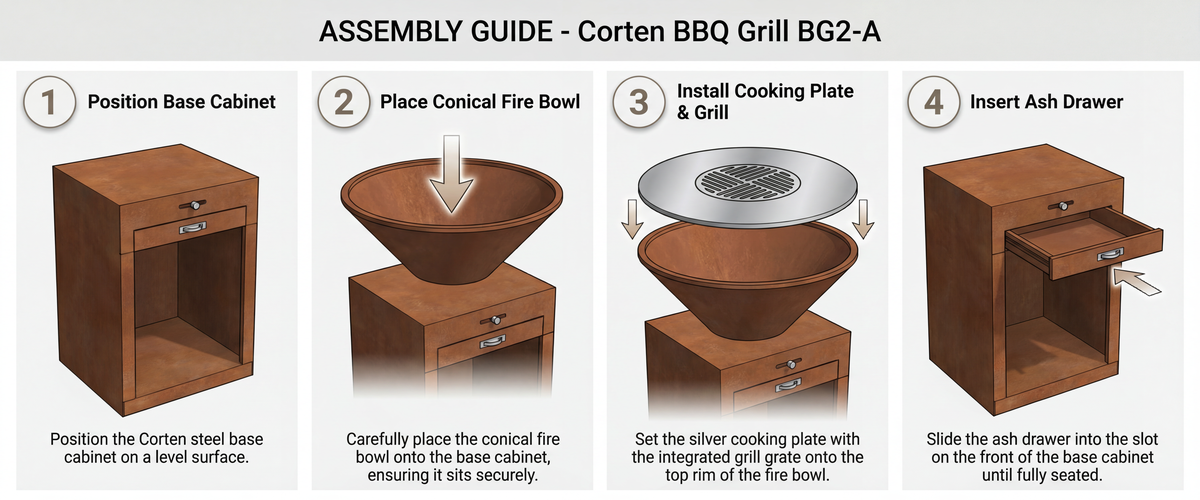
The good news is that most of these issues can be easily resolved if caught early. Ignoring minor problems—such as loose hardware, uneven heating, or restricted airflow—can lead to more serious performance issues down the line and even pose safety hazards.
This in-depth guide will walk you through how to identify, troubleshoot, and repair minor issues with your Corten steel BBQ grill, helping you keep it performing at its best for years to come.
1. Introduction
Why Minor BBQ Grill Issues Should Be Fixed Early
Small problems rarely stay “small.” A slightly loose bolt can lead to structural instability, minor rust spots can gradually spread, and uneven heat distribution can affect cooking results and fuel efficiency. Addressing these issues early on helps avoid costly repairs, performance degradation, and potential safety hazards.
What Makes Weathering Steel Grills Unique
Weathering steel has different properties from ordinary steel. Its rust-like appearance is not a defect—it’s a self-protective layer that strengthens over time. This means that what might look like damage on a standard grill is perfectly normal for a weathering steel grill. Understanding this distinction is key to proper maintenance and repair.
What This Guide Covers
In this guide, you’ll learn how to identify common issues, perform simple repairs, and effectively maintain your grill. Our goal is to help you extend the lifespan of your weathering steel grill, maintain its performance, and preserve its aesthetic appeal.
2. Common Minor Issues with Corten Steel BBQ Grills
Surface Rust vs Normal Corten Patina
One of the most common concerns is surface rust. However, in the case of weathering steel, that reddish-brown substance is actually a protective rust layer. The challenge lies in distinguishing between normal natural weathering and harmful corrosion, especially in areas exposed to grease or moisture buildup.
Uneven Heating
Uneven heating can be caused by blocked vents, uneven fuel distribution, or a misaligned grill. This issue directly affects cooking quality and should be addressed promptly.
Loose Screws or Fasteners
Repeated heating and cooling cycles cause metal to expand and contract, gradually loosening bolts and fasteners. Over time, this can lead to structural instability.
Sticking Grates or Moving Parts
Grease buildup, ash accumulation, and exposure to the elements can cause components such as grates or hinges to become stiff or difficult to move.
Minor Dents, Scratches, or Wear
Minor cosmetic damage is common, especially in outdoor settings. While usually harmless, these imperfections can sometimes expose fresh steel, thereby accelerating the rusting process.
Smoke, airflow, or ventilation issues
Proper airflow is essential for combustion. Blocked vents or poorly maintained airways can lead to excessive smoke, inefficient burning, and temperature control problems.
3. How to Inspect Your BBQ Grill
A thorough inspection is the foundation of effective maintenance. Without a systematic approach, it’s easy to overlook minor issues that could later develop into costly or dangerous malfunctions. Think of this inspection as a routine “checkup” for your Corten BBQ grill—one that ensures its performance and extends its lifespan.
Inspect the Frame and Cooking Surfaces
First, inspect the entire grill frame, paying special attention to high-temperature areas such as the firebox and cooking grates. Look for uneven discoloration, grease buildup, or areas where the rust patina appears inconsistent. While weathering steel naturally develops a rust patina, excessively dark, greasy, or damp areas may indicate contaminants that interfere with the protective oxidation process. You should also check the cooking surface for warping, as this can affect heat distribution and cooking efficiency.
Inspect Joints, Fasteners, and Support Structures
Next, inspect the structural components. Carefully examine bolts, nuts, and welds. Thermal cycling (repeated heating and cooling) can cause parts to loosen or develop stress fatigue gradually. Even slight looseness at joints can compromise the grill’s stability over time. Pay special attention to load-bearing points, such as legs or the base frame, as damage in these areas may pose safety risks.
Check for Obstructed Airflow or Damaged Components
Airflow is critical to combustion efficiency. Inspect the vents, air intakes, and exhaust channels to ensure they are free of obstructions such as ash, grease, or debris. Obstructed airflow can lead to incomplete combustion, excessive smoke, and uneven heating. Also, inspect internal components such as the grate and firebox for warping or blockages.
Distinguish Between Cosmetic Issues and Functional Defects
Not all imperfections require attention. Learn to distinguish between cosmetic issues (such as minor scratches or variations in rust patina) and functional defects (such as restricted airflow or structural instability). This distinction helps prioritize repairs and prevents unnecessary interventions that could compromise the natural surface finish of Corten steel.
4. How to Fix Surface Rust or Finish Issues
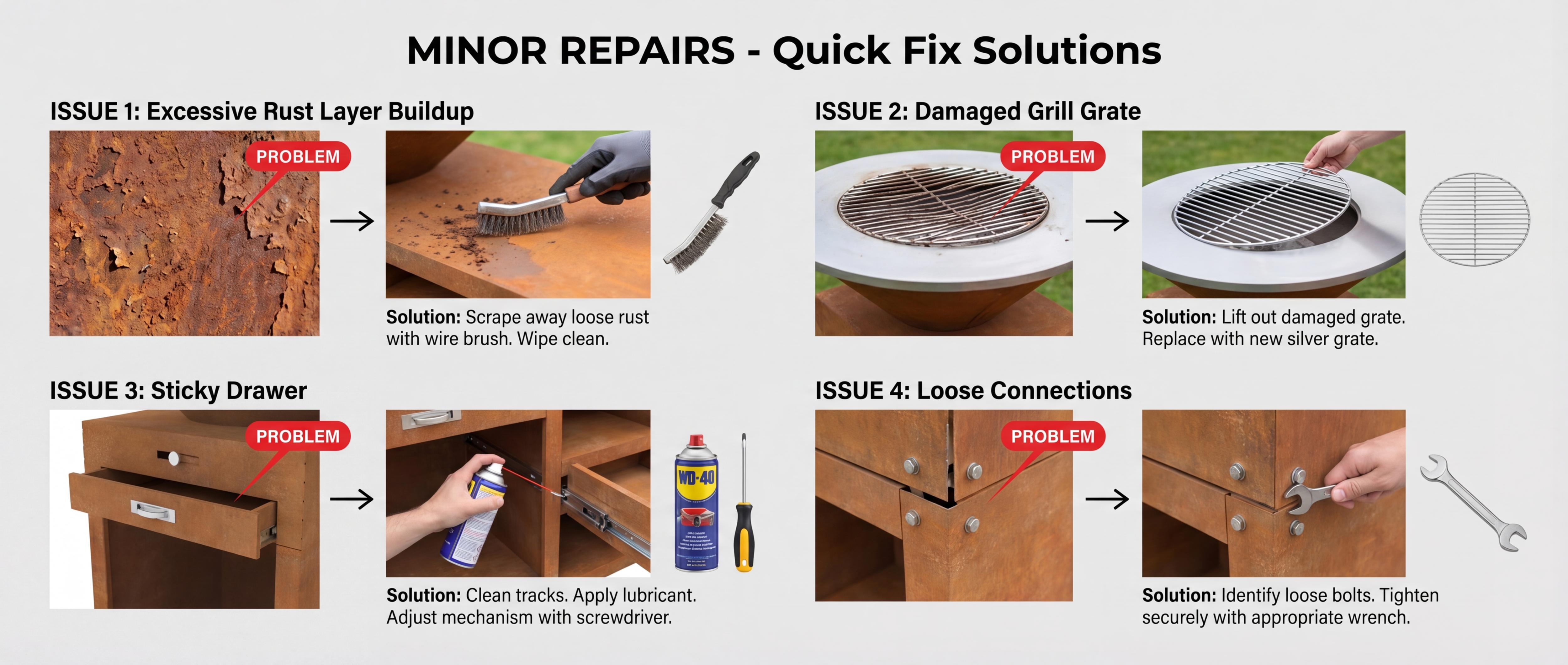
Weathering steel has different properties from ordinary steel, so addressing surface issues requires a meticulous approach. The goal is not to remove rust, but to manage and stabilize this protective rust layer.
Understanding the Normal Weathering Process of Corten Steel
The rust appearance of Corten steel is intentionally designed. This rust layer acts as a barrier, preventing deeper corrosion. In the initial stages, the surface may appear uneven or even slightly flaky, but over time, it will gradually stabilize to form a dense protective layer. Misunderstandings about this process often lead users to over-clean or over-treat the surface, which actually delays its normal stabilization process.
How to Remove Dirt and Residues
Surface contaminants such as grease, ash, or environmental pollutants can interfere with the formation of the rust layer. Gently remove these deposits using warm water and a soft-bristled brush. Avoid using high-pressure water jets or vigorous scrubbing, as these actions can strip away the developing oxide layer. For stubborn grease, a small amount of mild, non-acidic detergent may be used.
When to Leave the Surface Untouched
If rust has formed evenly and there are no signs of deep corrosion, the best course of action is usually to do nothing. Weathering steel performs best when allowed to follow its natural weathering cycle. Excessive maintenance can disrupt this process, resulting in a mottled or unstable appearance on the surface.
When Rust Becomes a Real Problem
In rare cases, poor drainage or prolonged exposure to damp conditions may lead to active corrosion rather than the formation of a stable rust layer. Signs of this include deep pitting, a softened and flaking surface, or areas that remain wet for extended periods. In such cases, lightly sand the affected area, allow it to dry completely, and then expose it to air and moisture in a controlled manner to restart the rust formation process.
5. How to Repair Uneven Heating
Uneven heat distribution is one of the most frustrating problems for barbecue enthusiasts, as it directly affects cooking results. Fortunately, this issue is usually caused by factors that can be corrected.
Check the Fuels or Heat Distribution
First, assess how the fuel is arranged. In charcoal or wood-fired grills, uneven fuel distribution can create hot and cold spots. Rearranging the fuel layer to ensure even coverage can significantly improve heat distribution. For gas systems, check the alignment of the burners and ensure the gas flow is steady.
Clear Clogged Vents or Burners
Clogged vents restrict oxygen flow, leading to inefficient combustion. Remove any accumulated ash and check whether the burner nozzles are blocked by grease or debris. Even partial blockages can reduce flame intensity and cause uneven heating.
Reposition Cooking Surfaces if Needed
If the cooking plate or grate is not level or is installed incorrectly, it may affect heat transfer. Ensure that all surfaces are aligned and securely fastened. Some models are equipped with adjustable grates, allowing you to fine-tune heat distribution.
Test the heat output after adjustment
Once adjustments are complete, conduct a controlled test burn. Observe the flames and use a thermometer if available. If the heat is distributed evenly across the cooking surface, the issue has been resolved.
6. How to Tighten Loose Parts
Loose components are often overlooked, but they can seriously compromise safety and performance. Addressing them promptly can prevent mechanical stress from worsening.
Inspect Bolts, Nuts, and Welded Joints
Carefully inspect all mechanical connections. Look for signs of looseness, corrosion, or thread wear. Pay special attention to joints exposed to high temperatures, as thermal expansion and contraction are most pronounced in these areas.
Secure Fasteners Properly
Use appropriate tools to tighten fasteners securely, but avoid over-tightening, as this can cause stripped threads or component deformation. Apply moderate torque to ensure stability without damaging the material.
Replacing Missing or Damaged Fasteners
When replacing fasteners, be sure to use compatible materials. Stainless steel or weathering steel fasteners are ideal choices because they are corrosion-resistant and prevent electrochemical reactions caused by mixed metals.
When Professional Repair Is Required
If a welded joint shows signs of cracking or structural deformation, professional repair is essential. Attempting to repair structural issues without the proper tools or expertise may compromise safety.
7. How to Deal with Sticking or Hard-to-Move Parts
Sticking or stiff components are among the most common usability issues with Corten barbecue grills, especially after prolonged exposure to high temperatures, grease, and outdoor conditions. While this may initially seem like a minor inconvenience, restricted movement of key components—such as the grill grate, hinges, or adjustable drip pans—can directly impact safety and cooking performance.
Removing Accumulated Grease, Ash, or Residue
The primary cause of sticking is almost always buildup. Over time, grease, charred food particles, and ash combine to form sticky residue that hardens during repeated heating cycles. This creates friction and can “lock” moving parts in place. Thorough cleaning with a grill brush and warm water is the first step. For stubborn deposits, let the BBQ grill preheat slightly—this will soften the residue, making it easier to remove. Avoid using harsh degreasers, as they may damage the natural patina of the weathering steel.
Check Hinges, Handles, and Sliding Components
After cleaning, inspect the alignment and wear of all moving parts. Hinges may have warped slightly due to thermal expansion, while sliding components may have accumulated fine debris, causing them to move unevenly. Even minor misalignment can create uneven pressure points, thereby increasing friction. Carefully adjust the alignment of these components and ensure that mounting points are secure and undamaged.
Apply Heat-Safe Lubrication if Appropriate
If movement remains restricted, apply a high-temperature, food-grade lubricant to non-cooking contact points (such as hinge pins or slide rails) to restore smooth operation. The key is moderation—excess lubricant can attract dust and ash, creating new buildup issues. To maintain food safety standards, be sure to avoid applying lubricant near cooking surfaces.
Replace Worn Parts When Necessary
If parts remain stiff or show signs of excessive wear—such as bent slide rails, corroded hinge pins, or warped brackets—replacement is the best solution. Forcing damaged parts to continue operating may lead to further structural issues or even sudden failure during use. Investing in appropriate replacement parts ensures long-term reliability and enhances the user experience.
8. How to Handle Small Scratches and Dents
Outdoor grills inevitably show signs of wear and tear over time. However, with weathering steel, these imperfections often blend into the developing rust patina, making them less noticeable than flaws on painted or coated surfaces. That said, knowing when to ignore, address, or repair these issues is key to balancing aesthetics and performance.
When to Ignore Cosmetic Damage
One of the unique advantages of weathering steel is that its “weathered” appearance naturally conceals minor scratches and dents. In many cases, these imperfections actually add to the barbecue grill’s unique charm, enhancing its industrial aesthetic. If the damage is purely superficial and does not expose large areas of bare metal, no treatment is usually necessary.
How to Prevent Scratches from Worsening
While minor scratches are generally harmless, they can worsen if left unattended in high-friction areas. To prevent this, avoid dragging heavy cookware or tools across the surface. Regular cleaning also helps remove abrasive particles such as sand or ash, which act like sandpaper when moved across the surface. In high-traffic areas, we recommend using protective accessories such as removable grill pans or mats.
Simple Repair Methods for Minor Dents
Small dents, especially those on non-load-bearing panels, can usually be repaired by gently reshaping the surface. This typically involves applying moderate pressure from the back or using a soft hammer to restore the original shape. However, extreme caution is required—although weathering steel is highly durable, applying excessive force, particularly after repeated heating cycles, may cause cracking.
When Surface Damage Affects Performance
If scratches are deep or dents have altered the shape of the cooking surface, this may affect heat distribution and cooking efficiency. In such cases, gently sand the damaged area to make it smooth, then allow the rust layer to reform naturally. For more severe deformation, replacing the damaged component is usually the safest and most effective solution.
9. Maintenance Tips to Prevent Future Issues
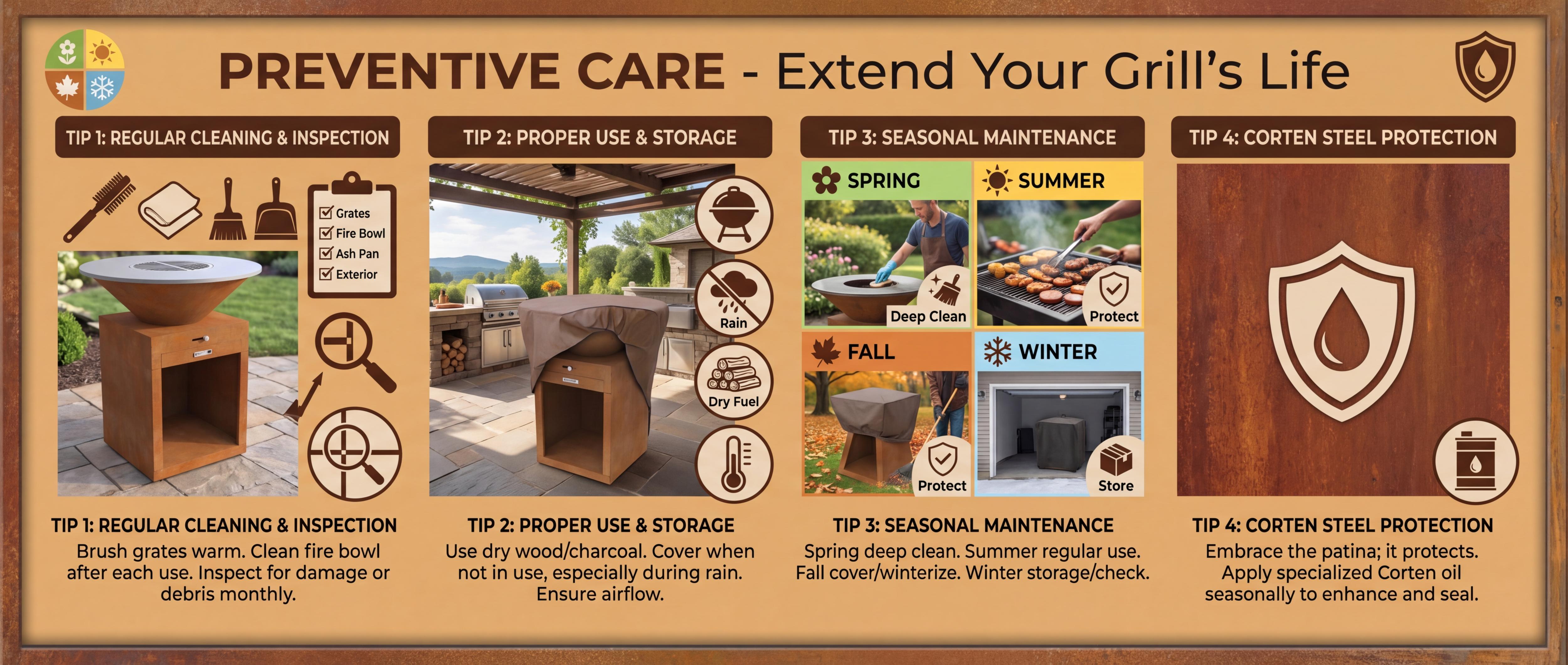
Preventive maintenance is the most effective way to ensure your Corten outdoor grill remains fully functional and looks its best for years to come. Unlike reactive repairs, proactive maintenance minimizes downtime, reduces costs, and extends the overall lifespan of your BBQ grill.
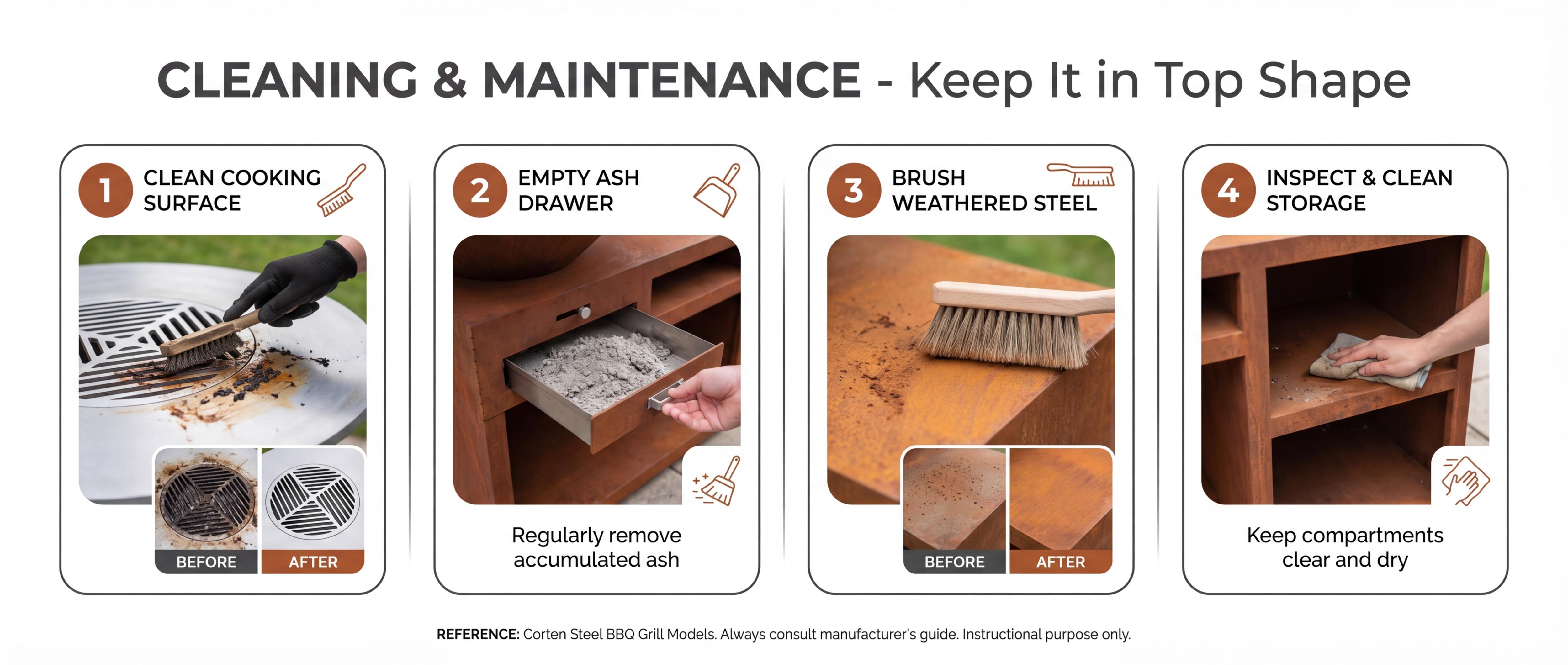
Clean the Grill After Each Use
Consistent cleaning is the foundation of good maintenance. After each use, remove ashes, grease, and food residue to prevent buildup that can cause poor airflow, localized corrosion, or component jamming. Even a quick wipe-down can significantly reduce long-term wear and tear.
Keep Vents and Cooking Surfaces Clear
Airflow is essential for efficient combustion. Regularly inspect and clean vents, air intakes, and exhaust channels to ensure unobstructed airflow. Blocked vents not only reduce performance but can also lead to excessive smoke and uneven heating.
Store or Cover the Grill Properly
Although weathering steel is designed for outdoor use, prolonged exposure to standing water or extreme conditions can delay the formation of its protective rust layer. Using a breathable cover prevents the grill from getting damp while allowing air to circulate, which is essential for maintaining the integrity of the steel.
Inspect the Grill Before Each Season
Seasonal inspections are particularly important in regions with significant climate variations. Before the peak usage period (such as summer), conduct a thorough inspection to identify any loose parts, accumulated grime, or minor damage that may have occurred during off-season storage.
Proper Maintenance of Weathering Steel Surfaces
Allow the rust layer to form naturally; do not interfere with this process. Unless there are specific functional requirements, avoid painting or sealing the surface, as these treatments can impair the steel’s self-healing properties. If you are concerned about stains caused by rainwater runoff, consider design solutions such as drip pans rather than altering the material itself.
10. When to Call a Professional
While many minor issues can be resolved with basic tools and routine maintenance, certain situations require professional expertise. Recognizing these limitations is crucial for ensuring safety and long-term performance.
Structural Damage
If your barbecue grill shows signs of structural damage—such as cracks in the main body, severe warping, or instability—be sure to seek professional repair. Structural issues can compromise the grill’s ability to safely retain heat and support weight, so attempting repairs on your own carries risks.
Severe Corrosion Issues
Although Corten steel is designed to resist deep corrosion, improper environmental conditions—such as prolonged exposure to moisture or poor drainage—can accelerate its deterioration. If corrosion has spread from the surface rust layer to the metal itself, a professional assessment is needed to determine whether repair or replacement is necessary.
Gas or Burner System Issues
For gas-powered Corten steel grills, any issues involving burners, valves, or gas lines should be handled by a certified technician. Gas systems inherently pose safety risks, and improper repairs can lead to leaks, poor combustion efficiency, or fire hazards.
Repairs Affecting Safety
Any repairs that may affect the safe operation of the grill—such as loose components, malfunctions in the airflow system, or compromised insulation—should not be attempted without professional expertise. In such cases, involving a professional ensures that repairs meet safety standards and restore the equipment’s full functionality.
Conclusion: Why Regular Maintenance Extends the Life of Your Grill
Most minor issues can be resolved with simple tools and regular maintenance. Understanding the properties of weathering steel is essential for effective maintenance. By sticking to a routine of regular inspections and maintenance, you can prevent minor issues from escalating into major repairs, thereby ensuring your grill’s long-term performance.
Please view your Corten steel BBQ grill as both a practical tool and a design feature. With proper care, it will provide you with reliable performance and timeless beauty for years to come.

